
Ray Dooley Art
Art Preservation and Restoration

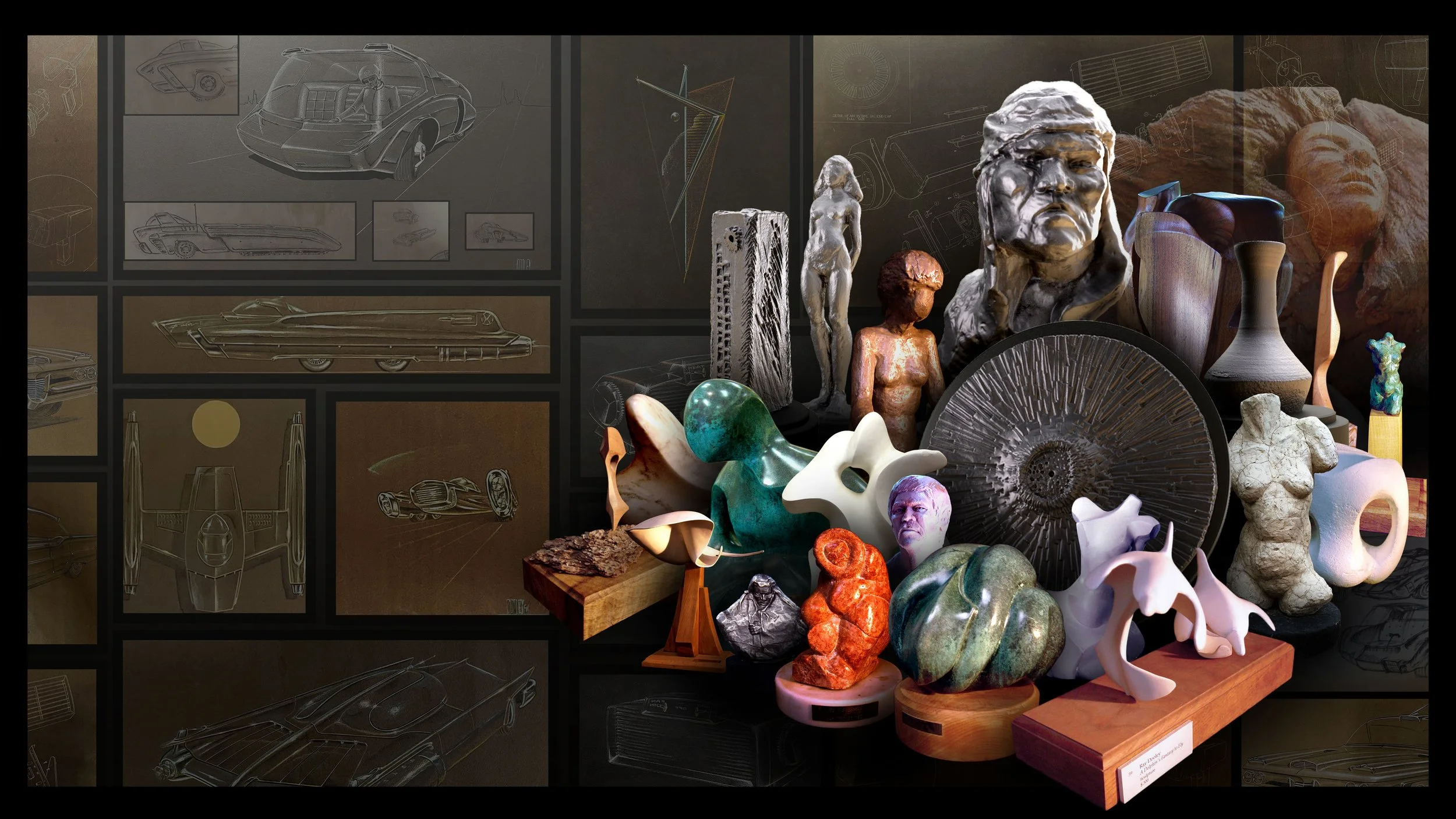
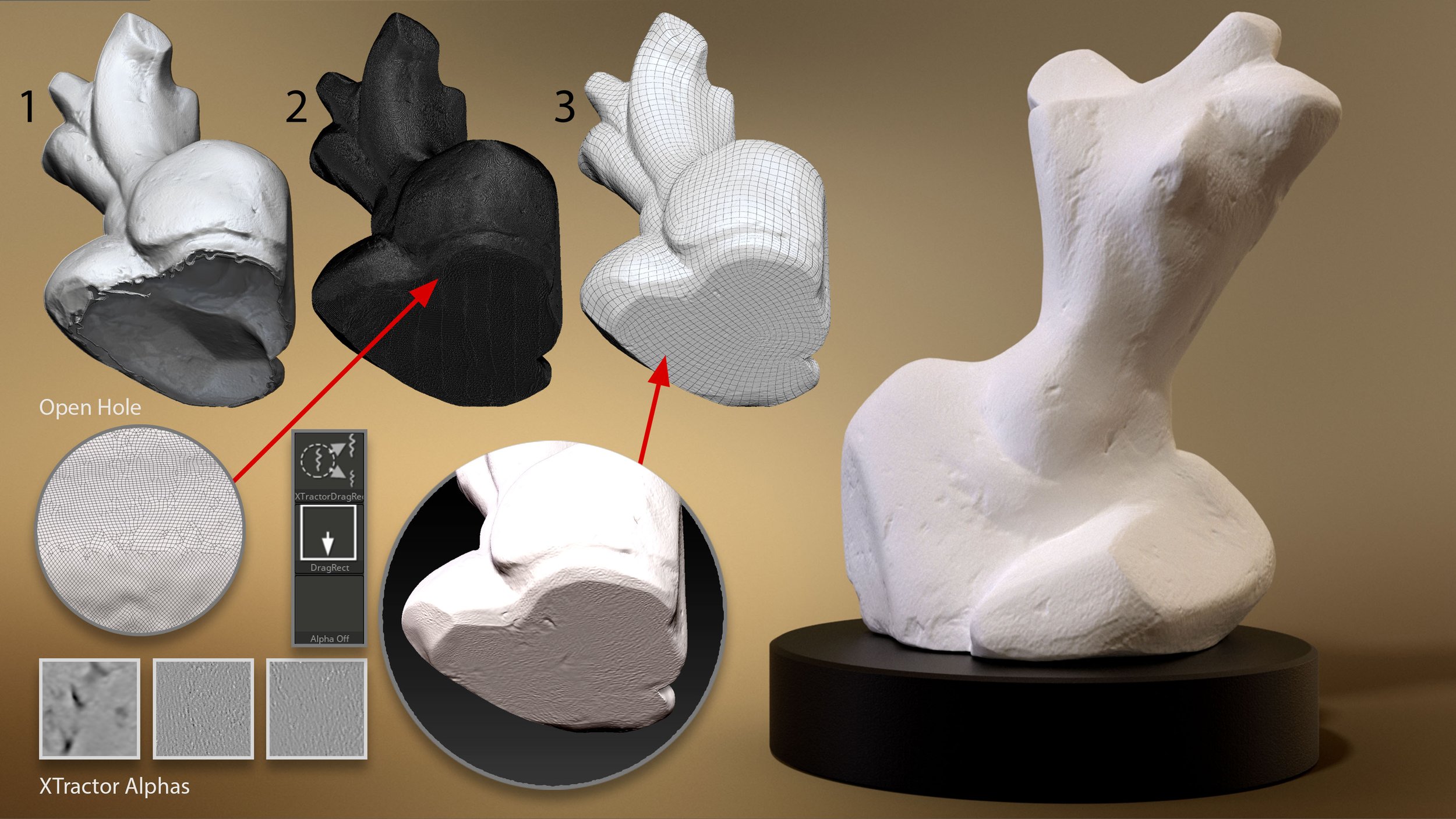
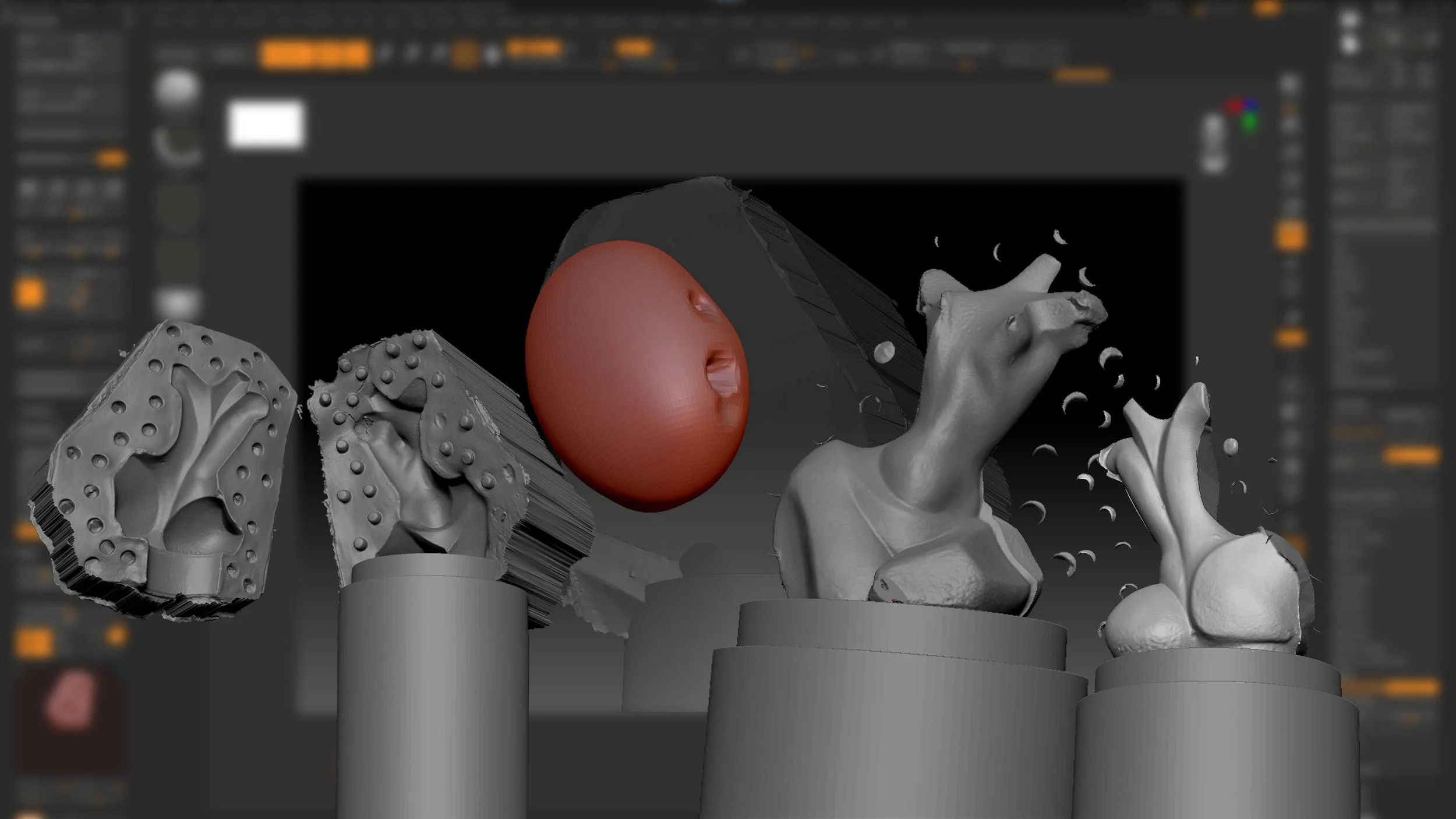
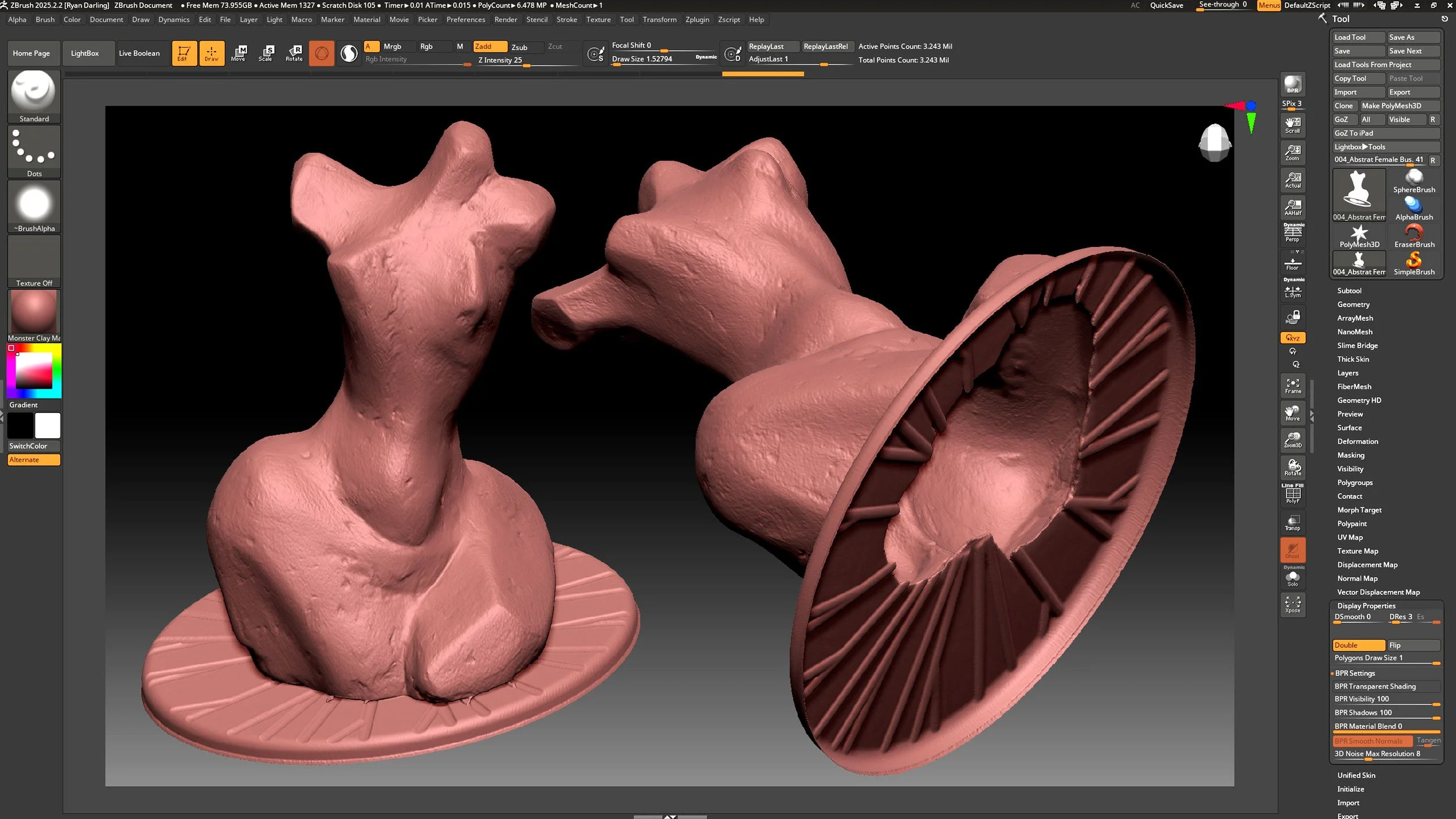
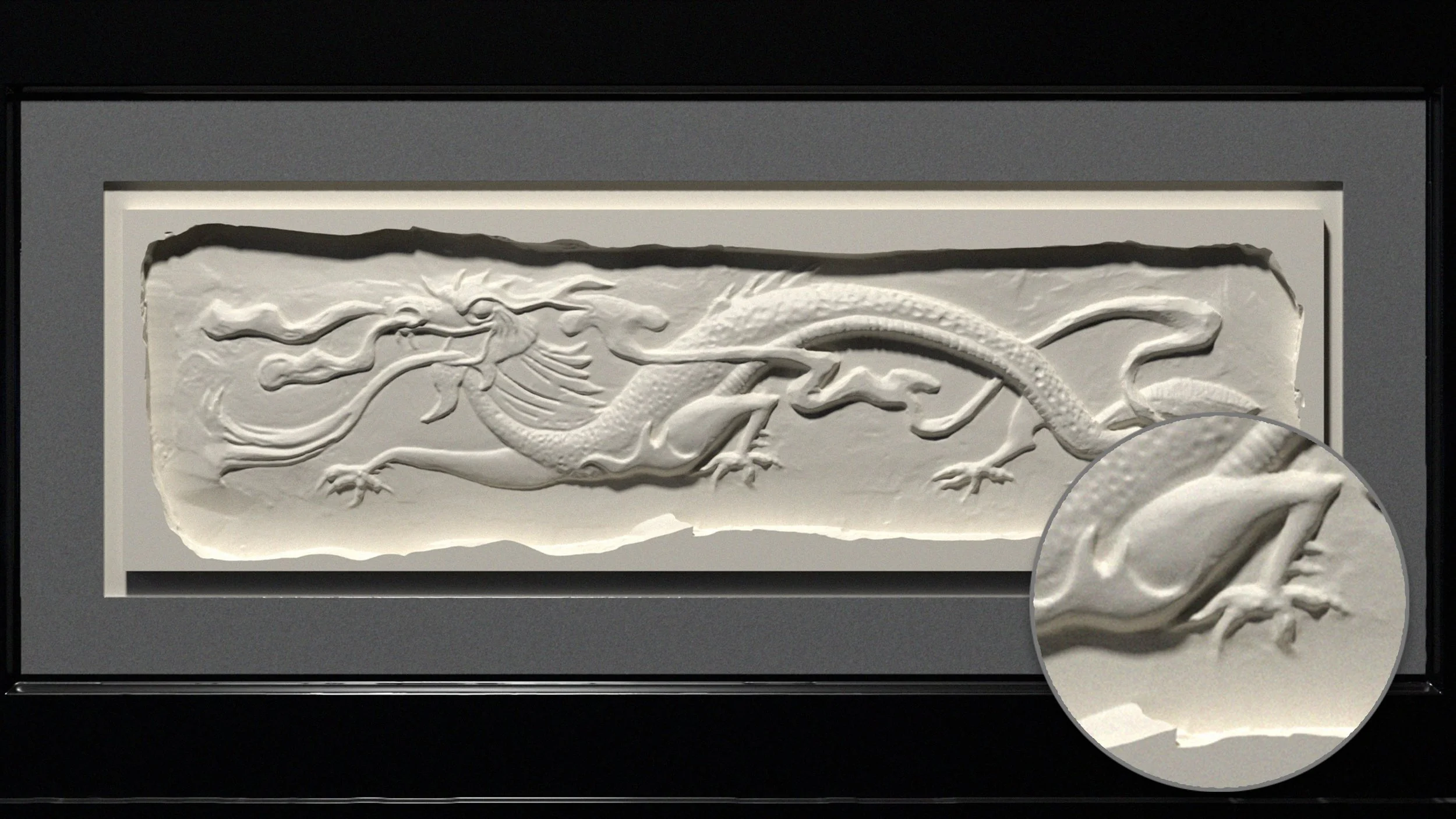
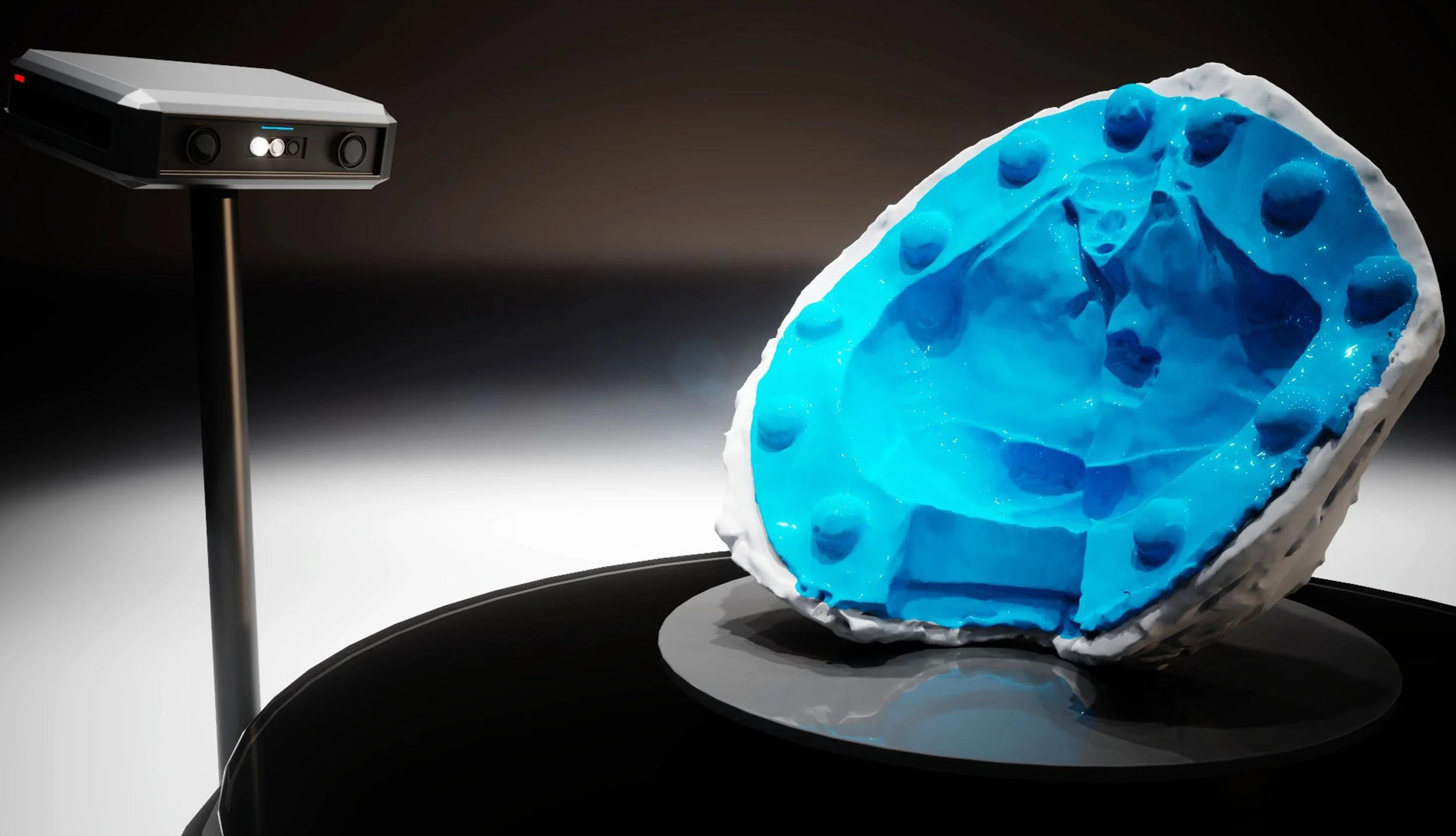
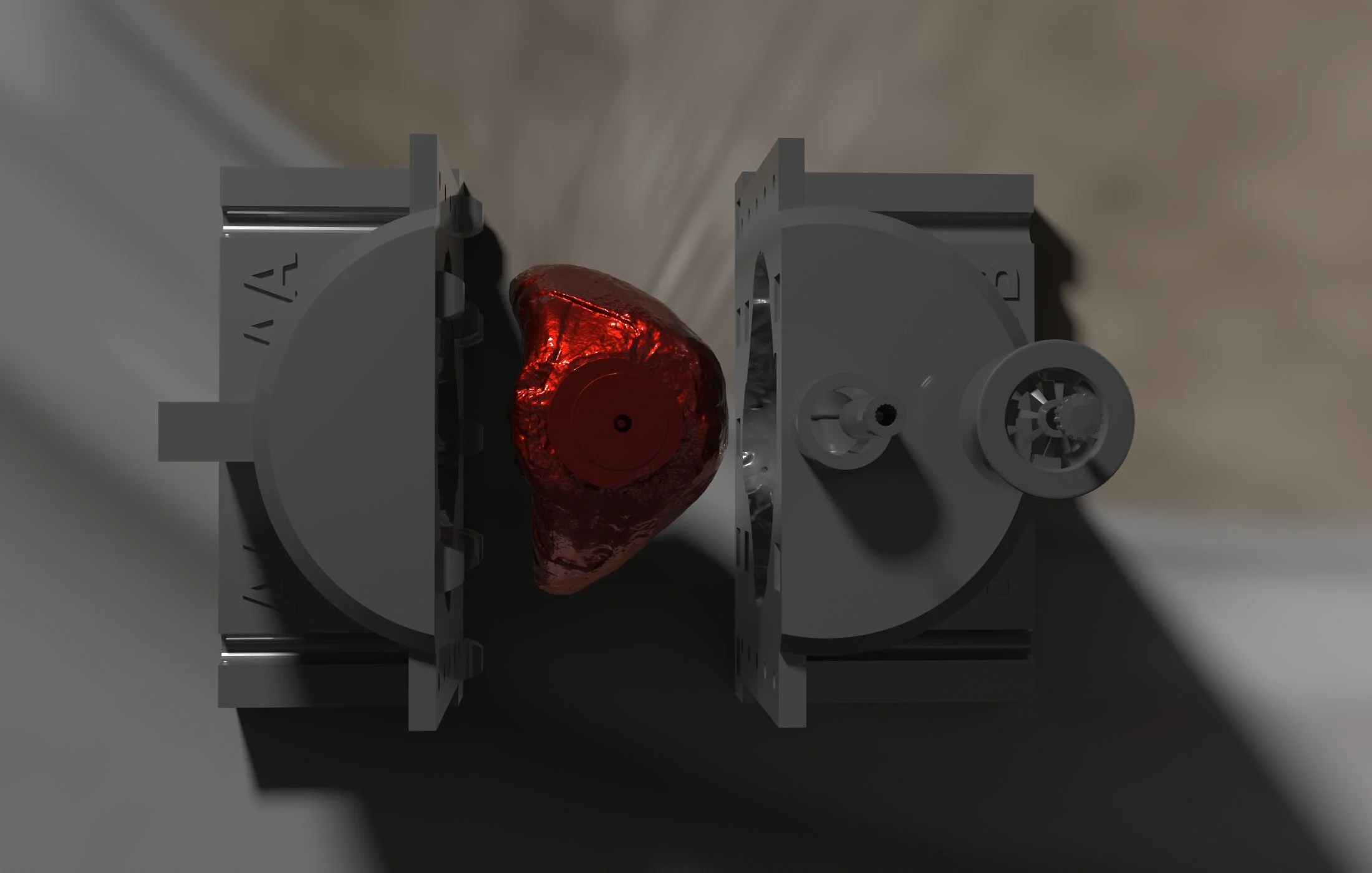
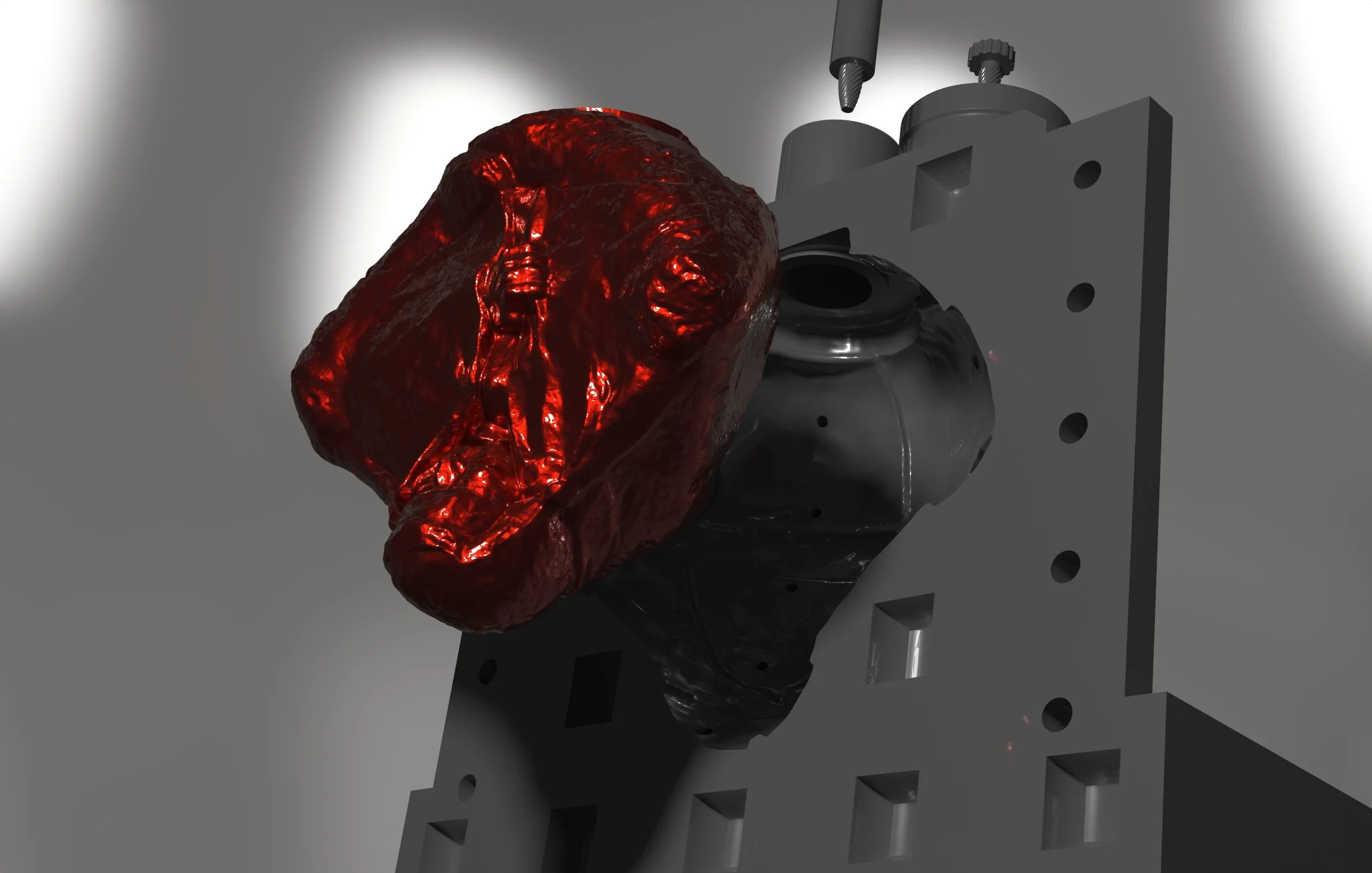
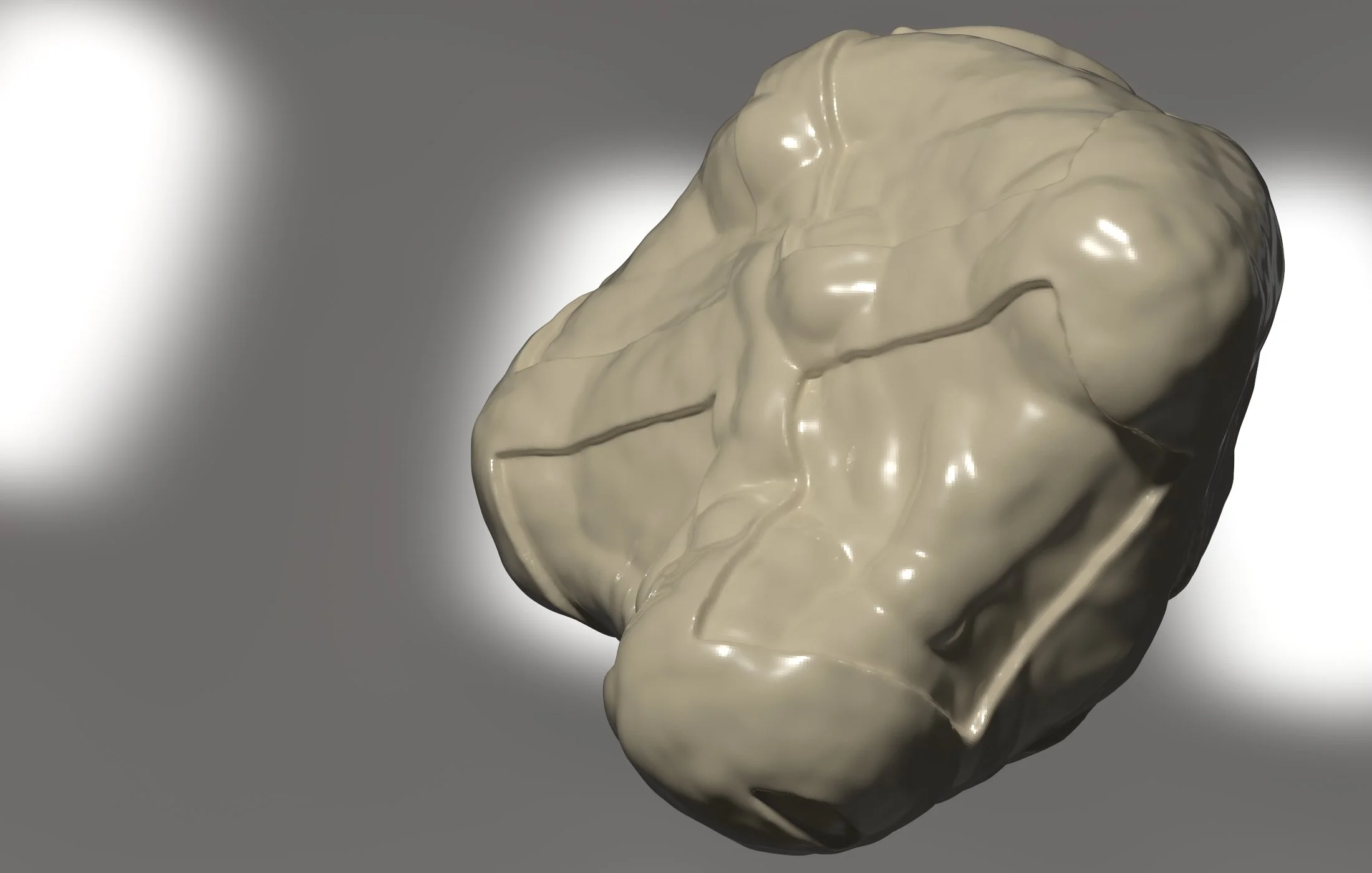
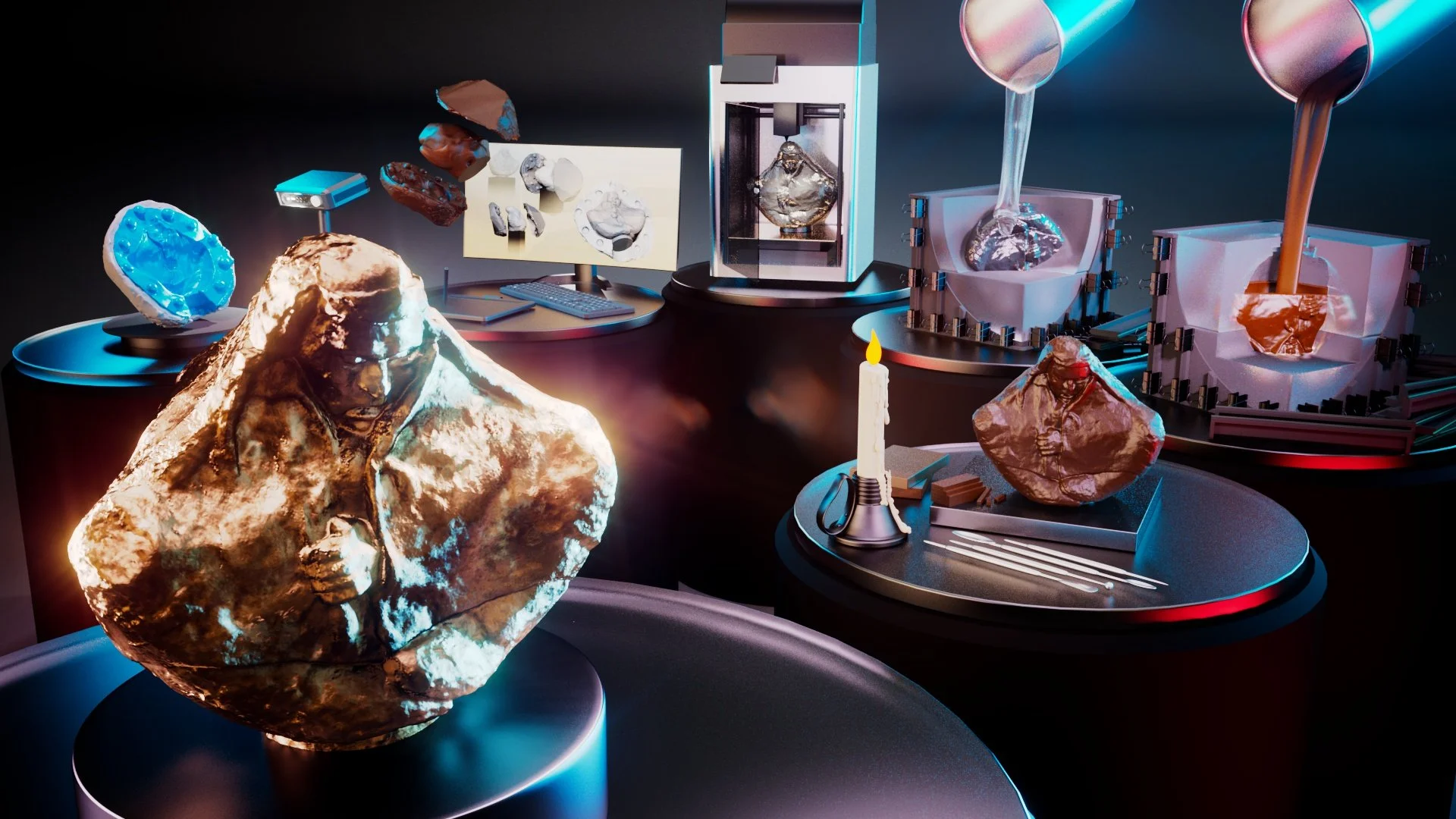
Over the past few years, I have been preserving and restoring my grandfather's (Ray Dooley b.1929 – d.2013) sculptural work consisting of bronze, clay, plaster, wood and ceramic mediums.
My journey as a sculptor didn’t begin with ZBrush or digital art, it started much earlier, watching my grandfather work with his hands. He was a traditional sculptor who shaped bronze, wood, and stone into timeless forms. His studio was filled with the scent of metal and earth, and I spent countless hours observing how he treated every surface with respect, how he understood the 'weight' of a material even before touching it.
Those early experiences instilled in me a deep appreciation for craftsmanship, patience, and the relationship between the artist and the medium. Even now, when I sculpt digitally, I find myself channeling those same lessons: respecting the material (even if it’s virtual), paying attention to how weight, balance, and texture tell a story, and understanding that good sculpture, no matter the medium, speaks with its own silent voice.
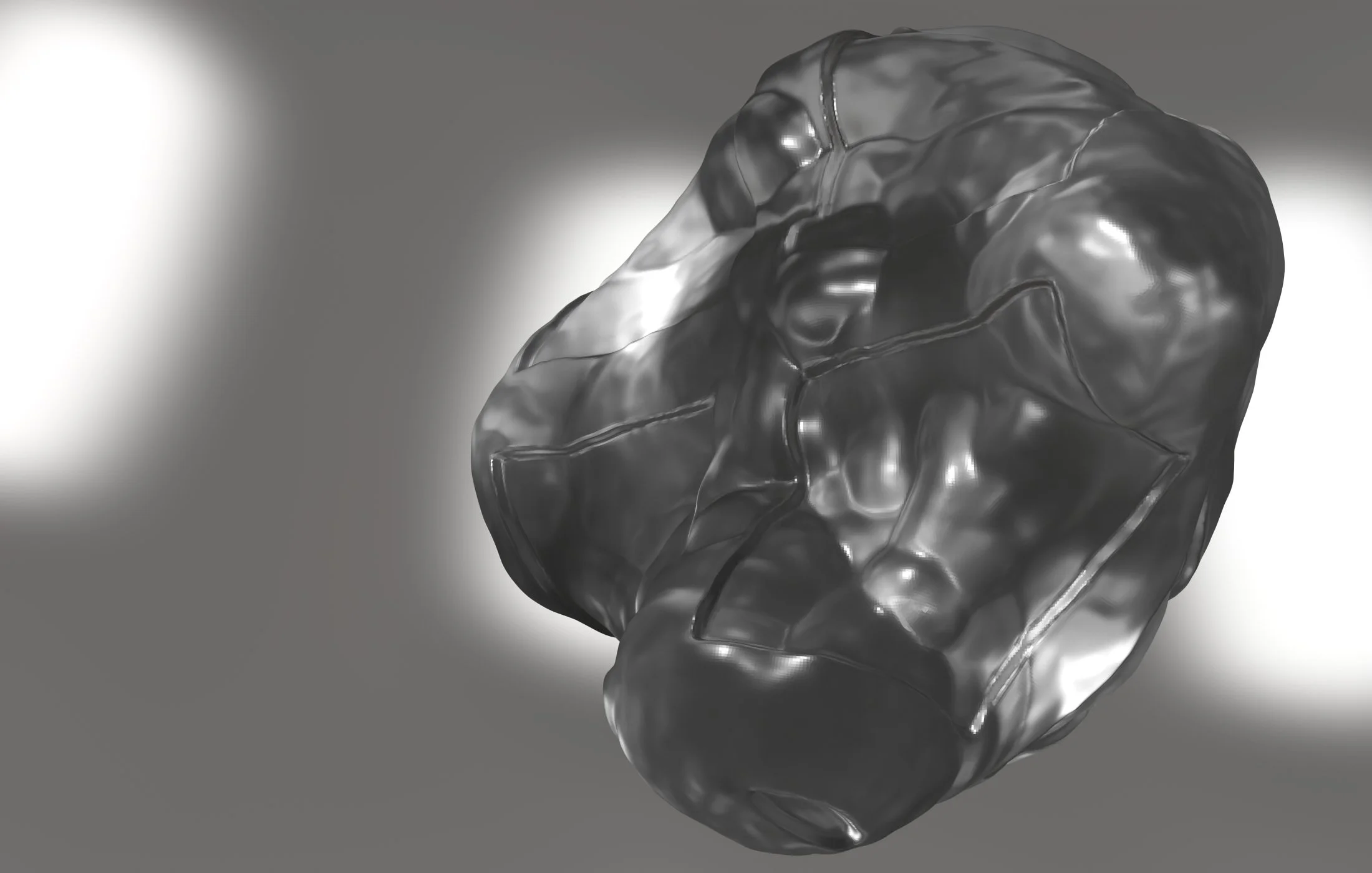
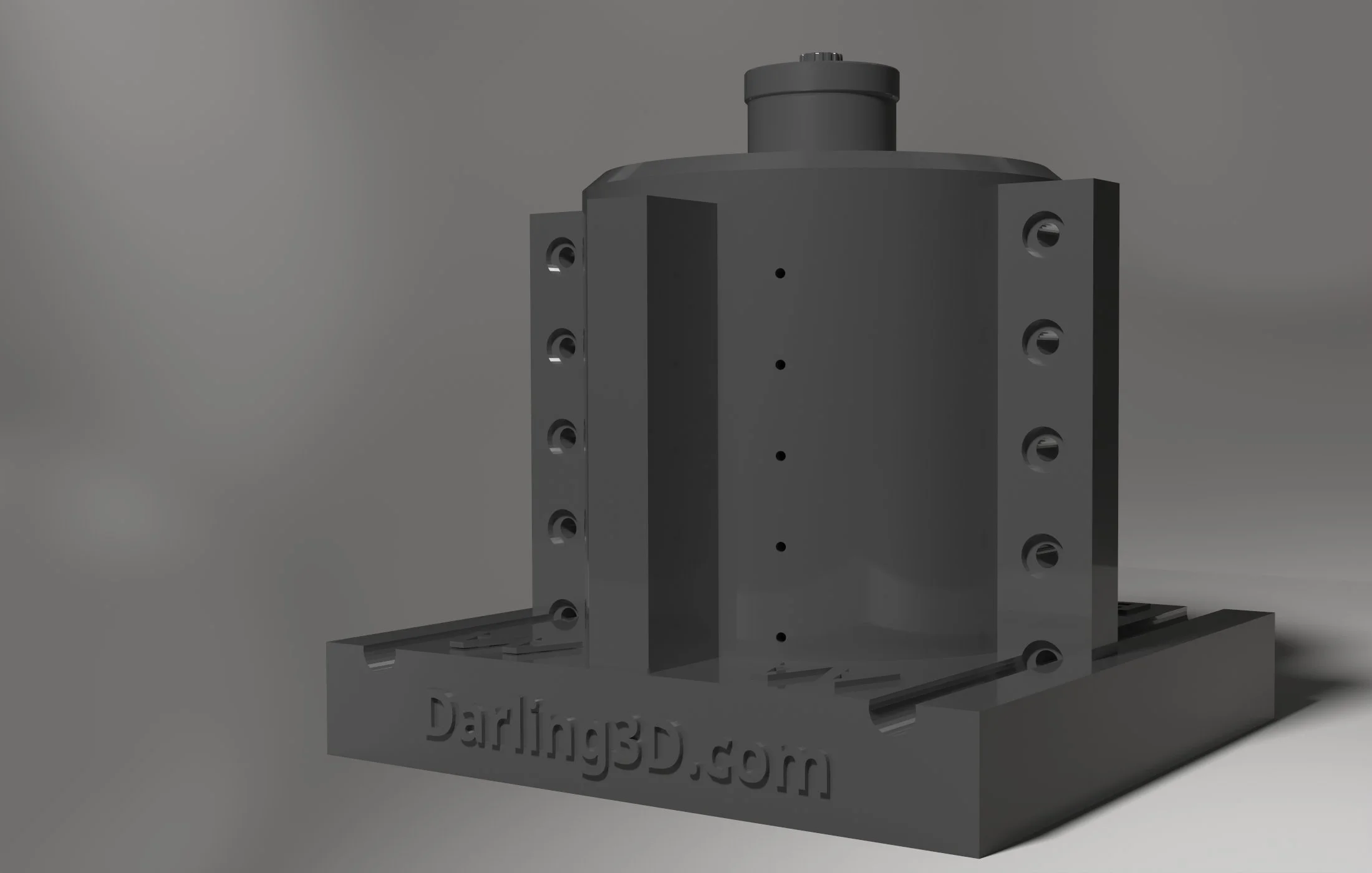
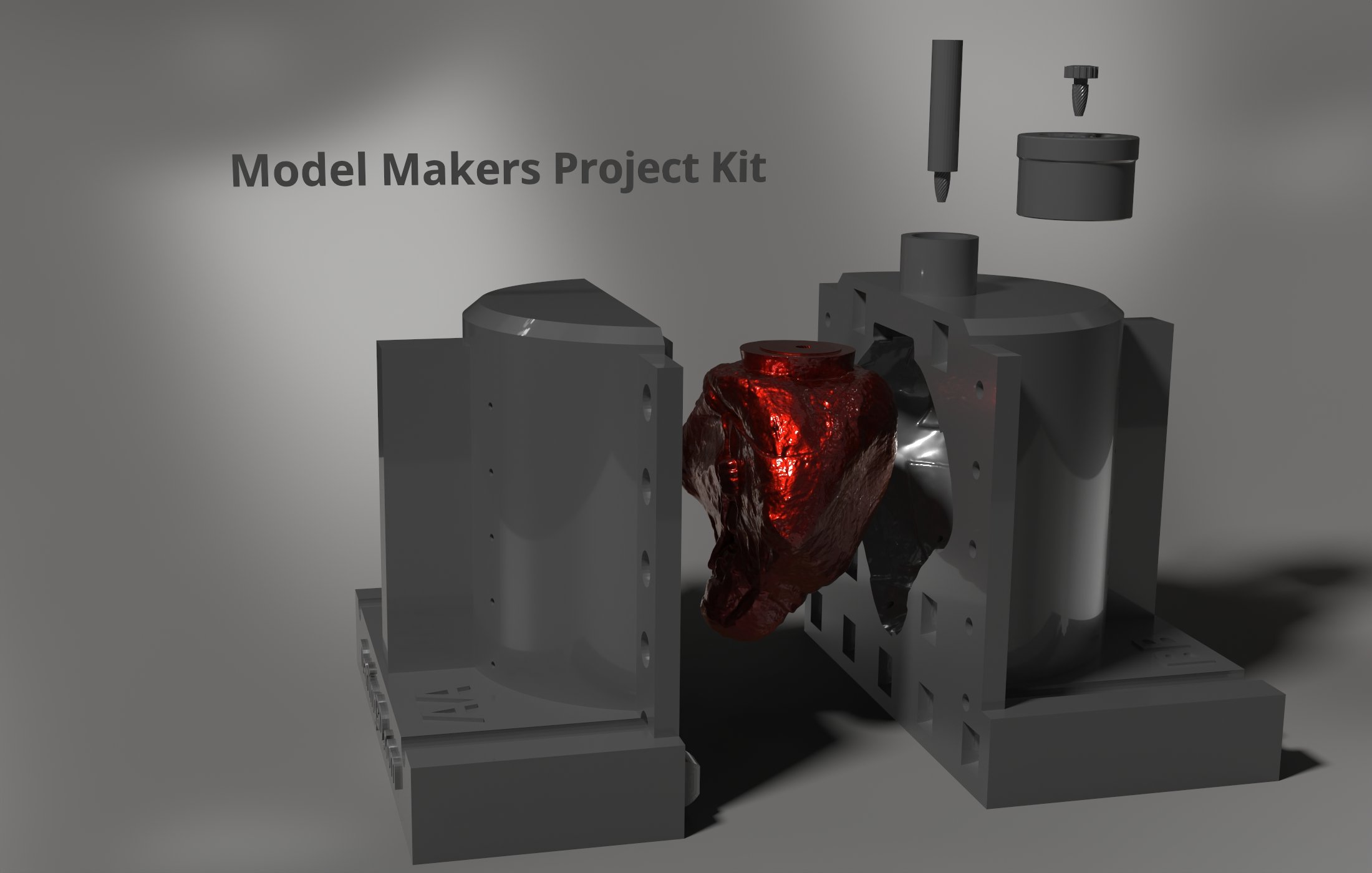
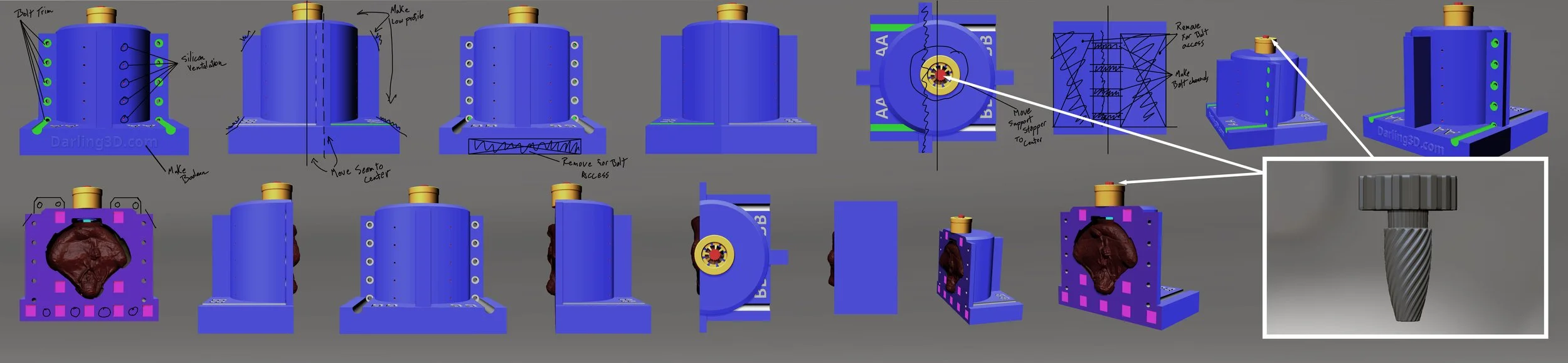
Restoration in Action







Architectural Design and Instalations
Ray Dooley often Interwove his architectural design with his art installations, as an artist, he sought to enhance the presentation and aesthetic appeal of spaces through experimentation and innovative concepts. His architectural design focuses not only on structural integrity and usability but also on the emotional and experiential dimensions that a space can evoke. Integrating his art installations can transformed his environments into a vibrant setting that fosters interaction and reflection.
Art installations in architectural contexts can take various forms, from bronze sculptures to smaller tabletop designs. These installations often serve as focal points to draw a visitors' attention and encourage exploration. Ray Dooley challenged traditional notions of space and often reflected the natural and historical narratives of their environmental surroundings. By merging artistic expression with solid architectural principles, Ray Dooley created environments that are not only practical but are also rich in meaning, sparking conversations and inspiring a sense of community among those who inhabit or visit the space.
Automotive Design
Immediately post graduation from Art Center, Ray Dooley began work for the Ford Motor Company. There he worked as a concept designer were his illustrations were used to influence practical design.
Early concept design by Ray Dooley for the Ford Motor Company, c.1957. Pencil and gouache on toned paper. Signature bottom right.
Over the past few years, I’ve been preserving and restoring the sculptural legacy of my grandfather, Ray Dooley (1929–2013), a prolific artist whose work spanned bronze, clay, plaster, wood, and ceramic mediums. His influence runs deep in my own sculptural journey, which began not with software, but by watching him shape raw materials with purpose and care.
After graduating from Art Center College of Design, Ray Dooley worked for the Ford Motor Company as a concept designer. His drawings helped shape practical automotive designs, bridging the gap between fine art and industrial innovation.
Ray’s work often extended beyond the gallery or studio. His architectural art installations were designed to be lived with, reflecting the environmental and historical narratives of their surroundings. Whether large-scale bronze monuments or intimate tabletop sculptures, his pieces invite exploration and spark connection.
Today, as I create in digital space, I carry forward his lessons in weight, form, and intention, believing, like he did, that sculpture, in any medium, should speak quietly but powerfully to those who encounter it.
Bronze
Ray Dooley’s bronze sculptures embody a deep understanding of gesture, form, and emotional resonance. His figures often emerge in quiet, contemplative poses, evoking timeless human experiences like reflection, motherhood, and resilience. Working in bronze allowed Ray to explore permanence and weight while maintaining the fluidity of motion found in his earlier sketches and clay studies.
Each sculpture was conceived not just as an object, but as a presence, something meant to be lived with and experienced from multiple angles. His command of proportion and negative space allowed his pieces to breathe within the environments they occupied, whether installed in public spaces or displayed in more intimate settings. His bronze works continue to speak in the silent language of form, balance, and the human spirit.
This smaller-scale work highlights Ray Dooley’s skill in harmonizing abstraction with natural rhythm. Though modest in size, the piece captures a sense of internal motion, as if the form is coiling inward or preparing to unfold. Its polished bronze surface paired with the warm wooden base adds contrast between permanence and organic foundation, a hallmark of Ray’s sensitivity to materiality and contrast.
Whether tabletop or monumental, Dooley’s sculptures encourage a kind of slow looking, drawing the viewer in, inviting stillness, and allowing meaning to emerge gradually from the curves, voids, and implied tensions within each piece.
Clay
Clay was the foundation of Ray Dooley’s creative process, a medium he returned to throughout his life for its immediacy, tactility, and responsiveness to touch. Whether sketching out initial forms or finishing a standalone piece, Ray saw clay not just as a material, but as a collaborator. Its pliable nature allowed him to capture gesture, energy, and subtle emotional nuance with speed and spontaneity.
His clay works often served as prototypes for larger sculptures in bronze or plaster, yet many were complete expressions in their own right. These pieces revealed his hand in every surface, from smooth planes to expressive tool marks. Clay enabled Ray to explore form freely and fearlessly, reinforcing his belief that ideas should be shaped, tested, and felt - not just drawn.
Ceramics
Ray Dooley's ceramic works pushed the limits of traditional form, exploring texture, geometry, and symbolism through highly tactile surfaces. The piece shown here demonstrates his mastery of repetition and rhythm, where hundreds of carved lines radiate outward in structured chaos. While many ceramicists aim for delicacy, Ray often sought impact, using ceramics to convey energy, erosion, and memory within a single surface.
His ceramic practice was as much about experimentation as it was about control. Glaze chemistry, kiln atmosphere, and material unpredictability became collaborators in the final result. Whether constructing wall pieces, vessels, or freestanding forms, Ray treated ceramic not just as a functional medium but as a powerful sculptural force, equally capable of fragility and permanence.
This small vessel sculpture captures Ray’s interest in dualities: softness and strength, tension and release. The form is both organic and architectural, like a blooming seed pod carved from stone. Its gesture is open, but grounded, inviting contemplation without demanding it. These more intimate works often echoed the larger themes of his monumental sculptures, scaled down for the hand but rich in the same poetic density.
Found Objects
Ray Dooley often embraced the challenge of transforming discarded or overlooked materials into expressive works of art. These sculptural assemblages, built from found objects, reveal a spontaneous yet deeply intentional design language. In the piece shown here, natural fan palm fronds are manipulated and composed into a dynamic form that suggests both explosion and bloom, nature frozen mid-movement.
Ray approached found materials with the same reverence he gave to bronze or clay. Whether driftwood, scrap metal, dried organic matter, or worn-down tools, each object carried its own history and when brought together under his vision, they became part of a new, layered narrative. His ability to recognize beauty in the mundane is evident in the physical poetry of these works.
This wall-mounted relief showcases Ray’s fusion of organic form and human presence. Crafted from weathered clay and embedded into wood, the piece emerges like an artifact unearthed from time, a quiet figure resting within folds of bark-like texture. These works demonstrate Ray’s gift for storytelling through surface and form, transforming the ordinary into scenes that feel sacred, personal, and timeless.
Across every medium he touched, Ray Dooley believed that materials carried meaning. Whether he was sculpting in bronze, shaping clay, assembling found objects, or experimenting with ceramics and wood, he approached each substance not merely for what it could become, but for what it already was. His artistic process honored the history embedded in the material, its weight, texture, imperfections, and past lives.
To Ray, the act of sculpting was less about imposing form and more about revealing something already present. His work across varied materials reveals a consistent philosophy: that beauty lives in contrast, that truth often hides in texture, and that art should be felt as much as seen. This section highlights his mastery of material, not as categories, but as conversations.
Light Relief
Ray Dooley’s exploration of relief sculpture spanned both precious and ephemeral materials, from hammered copper to humble papier-mâché. These works embody his fascination with surface storytelling, allowing him to create dimensional illustrations that merge drawing, texture, and low-profile form.
The copper relief is an exquisite example of Ray’s control over metalworking. Figures and motifs rise and fall from the surface with lyrical rhythm, capturing mythic and natural narratives in a single flowing panel. The warm patina and reflective sheen give the piece both historical weight and contemporary presence, inviting viewers to trace the forms as if reading a visual poem etched in metal.
In contrast, the papier-mâché relief demonstrates Ray’s skill in material transformation. Using a lightweight, often temporary medium, he sculpted a deeply expressive human form embedded into a textured background. Despite the fragility of the material, the work holds emotional gravity, proof of Ray’s ability to create resonance through simplicity and contrast.
These reliefs offer quiet depth, artworks that ask to be looked at slowly, rewarding attention with detail, form, and feeling. Whether in copper or paper, Ray used shallow space to carve out expansive meaning.
Marble
Ray Dooley’s work in marble reflects both restraint and reverence. Unlike his more expressive or improvisational mediums, marble demanded patience, planning, and precision. Carving directly into stone, Ray was forced to slow down, responding to the material rather than imposing on it. The result is a body of work defined by graceful mass, quiet gesture, and deep intention.
The sculpture shown here captures a figure in fetal curl, contemplative, compact, and beautifully contained. The natural veining of the stone becomes part of the composition, enhancing the form’s internal movement and weight. Ray never polished marble to excess; he preferred a satin finish that preserved its earthy origin while offering visual warmth.
In marble, Ray explored themes of birth, protection, and inward reflection. Each piece feels timeless, as if unearthed from a civilization that never was but always should have been. These works reveal a sculptor at peace with silence, letting the material, and the pose, speak for itself.
Painting
Though primarily known for his work in sculpture, Ray Dooley’s paintings reflect the same sensitivity to form, weight, and presence that defined his three-dimensional pieces. His portraits, like the one shown here, display a sculptor’s eye for structure, capturing not just the likeness of the figure but the emotional gravity beneath the surface.
This piece, painted in oil, portrays a woman with upward gaze and quiet resilience. The soft modeling of her face contrasts against the sharp geometry of her collar and the folds of her white head covering. As in many of Ray’s paintings, the background remains subtle and unobtrusive, allowing the subject’s expression and bearing to take center stage.
Ray painted not to escape sculpture, but to explore different kinds of intimacy. His brushwork is deliberate yet expressive, always informed by an understanding of anatomy, proportion, and mood. These works round out his body of art, not as a departure from form, but as a return to observation through a different lens.
Photography
Though best known for his work in sculpture and painting, Ray Dooley’s photography reveals his continued search for form, atmosphere, and natural rhythm. His black-and-white landscape images capture moments of quiet drama, places where light, shadow, and scale converge to stir a sense of wonder.
The photograph featured here, a view into Yosemite Valley, is a study in balance and grandeur. The stark contrast and tonal range speak to Ray’s eye for composition, how foreground trees, distant cliffs, and the vast sky can be arranged like sculptural elements in a frame.
Photography offered Ray a way to observe without altering, to honor the raw beauty of nature in its untouched state. It also informed his sculptural work, training his eye to recognize gesture and silhouette in the world around him. For Ray, the lens was not a retreat from form-making but a way to see the world more deeply.
Plaster
Plaster held a special place in Ray Dooley’s studio practice, both as a testing ground and as a final medium in its own right. Its responsiveness to touch, rapid setting time, and ability to capture detail made it ideal for experimenting with form, gesture, and abstraction.
The sculpture on the left reflects Ray’s appreciation for the classical figure — stripped of excess detail and rendered down to rhythm and mass. The smooth surfaces and soft transitions between planes demonstrate his ability to balance anatomical suggestion with expressive reduction. It evokes the human form without being bound by realism.
On the right, his exploration becomes more biomorphic and architectural. Pierced voids and twisting silhouettes transform the plaster into a living structure, one that invites light, casts shadow, and suggests motion even at rest. Works like these often served as maquettes for larger pieces or existed as standalone studies in visual balance.
Plaster allowed Ray to work fast, intuitively, and sculpturally, bridging the gap between concept and permanence. These pieces reveal a sculptor fluent in both tradition and experimentation, always chasing form, always refining it.
Watercolor
Ray Dooley’s watercolor work reveals a quieter, more contemplative side of his creative process. Working with washes and transparency, he embraced the medium’s unpredictability, allowing pigment and water to mingle, settle, and surprise.
Watercolor provided Ray with a space to breathe between sculpture, a chance to explore atmosphere, mood, and restraint. His subjects ranged from serene landscapes to quick studies of form and gesture, often rendered with a looseness that celebrated the medium’s fluid nature.
Though less known than his three-dimensional work, these paintings reflect the same eye for balance, rhythm, and spatial composition. With a simple brushstroke, Ray could imply motion, light, or stillness, achieving in watercolor what others required marble or metal to express.
Wax
Wax was one of Ray Dooley’s most intimate materials, soft, malleable, and incredibly responsive to touch. As both a preparatory and expressive medium, it allowed him to sculpt with immediacy and nuance, capturing subtle transitions and gestural movement that might be lost in harder materials.
Often used in the lost-wax casting process for his bronze works, Ray also treated wax as a sculptural material in its own right. Its translucency and organic feel gave his forms a warmth and delicacy, inviting close inspection. Working in wax allowed Ray to bypass the resistance of stone or metal, making it possible to model with the sensitivity of drawing in three dimensions.
Wax speaks to the ephemeral side of sculpture, where creation, destruction, and transformation are all part of the process. For Ray, it wasn’t just a stepping stone toward permanence; it was a moment of truth where form met feeling without hesitation.
Wood
Ray Dooley’s wood sculptures reveal a deep respect for the natural world, not just in subject matter, but in material integrity. He worked with the grain, not against it, allowing the inherent character of each piece of wood to shape the outcome. Knots, bark, and imperfections weren’t flaws, they were opportunities for story, contrast, and design.
The sculpture shown here elegantly bridges the figurative and the abstract. A slender, stylized form emerges from rough bark, as if rising from the earth itself. The polished wood flows upward with grace, while the rugged base keeps it grounded, a visual meditation on transformation, origin, and potential.
Ray saw wood as a living medium, one that aged, cracked, and shifted over time. That slow evolution was part of its magic. In carving it, he wasn’t just making art; he was collaborating with nature, revealing what was already there.