Animal Skull Study
3 Weeks | 100 pts
Additive Sculpting - Process Refinement
Project Brief:
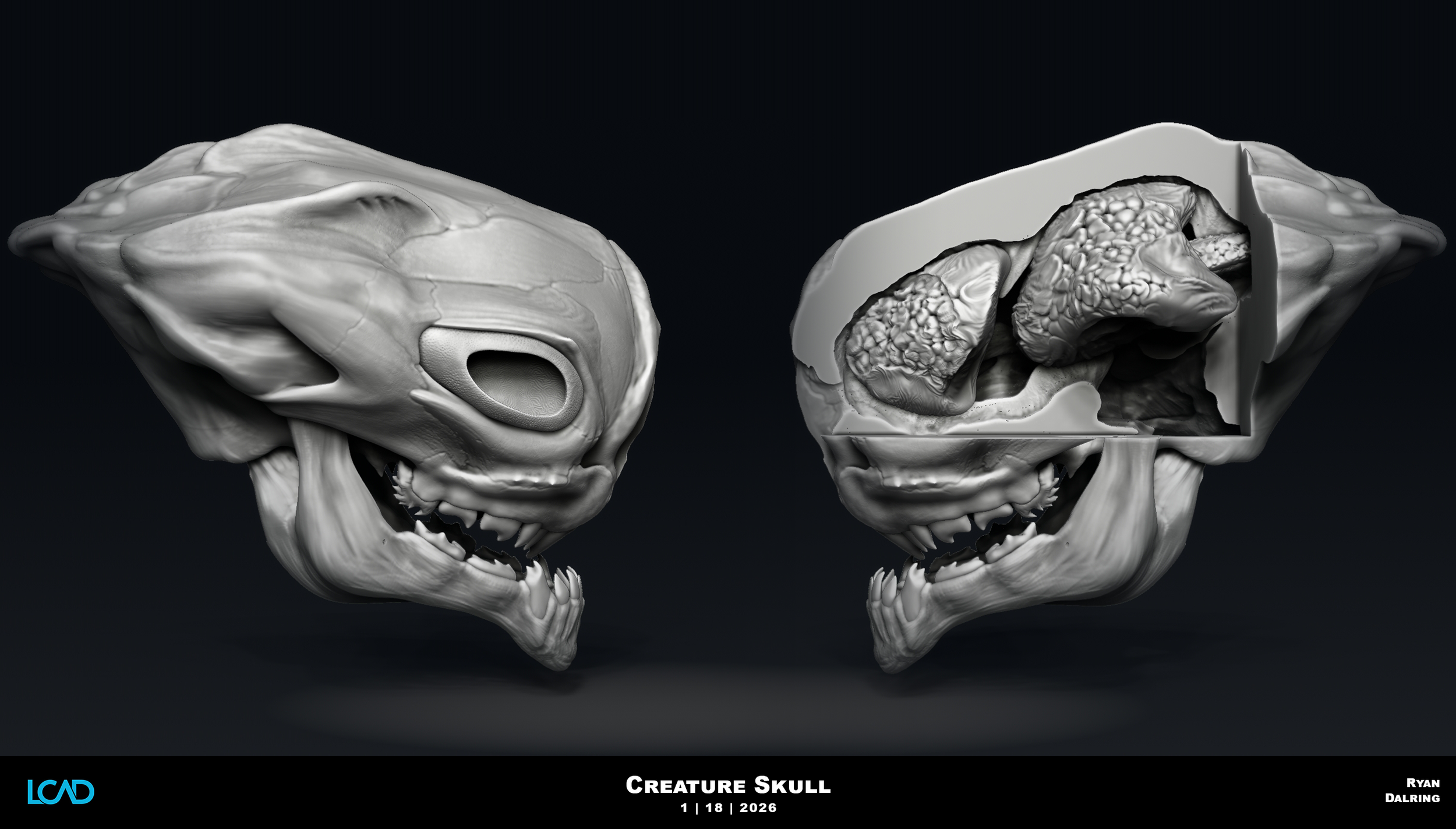
In this project, you will design and sculpt a creature skull using the provided custom brush. The creature may be real, extinct, or entirely conceptual, but it must feel anatomically believable and grounded in biological logic.
Your final sculpture must be presented as if it were a physical artifact on display in a natural history museum. The emphasis is on structure, material believability, craftsmanship, and professional presentation.
This is not a character or creature bust. This is a skeletal study.
Design Constraints & Allowances
Alphas and surface noise should not replace sculpted form. To maintain focus while encouraging realism:
One skull & one base only (Base may be tabletop or wall mounted display)
No soft tissue, skin, fur, or eyes
No foreign objects (Nails, Rods, Weapons, Floral, etc)
No exaggerated fantasy elements unless structurally justified
Forms must interlock and feel mechanically plausible
Asymmetry & Natural Variation
To avoid overly perfect or mirrored results, students may and are encouraged to introduce:
Pathologies (healed fractures, deformities, abnormal growth)
Damage (chips, cracks, missing sections)
Weathering or erosion
Subtle color variation or staining
Slight structural asymmetry
Any asymmetry should feel biological or environmental, not decorative.
These choices should reinforce the idea that this skull belonged to a once-living organism.
Critique Date:
02/20/2025
Required Slides:
Hero Shot - BPR Render: 20 pts
One polished, cinematic hero image
Museum Plaque Information: Species Name, Era Location.
Clean background
Neutral museum-style lighting
Bone material must read clearly (subtle color variation, matte finish)
Composition should feel archival or exhibition-quality
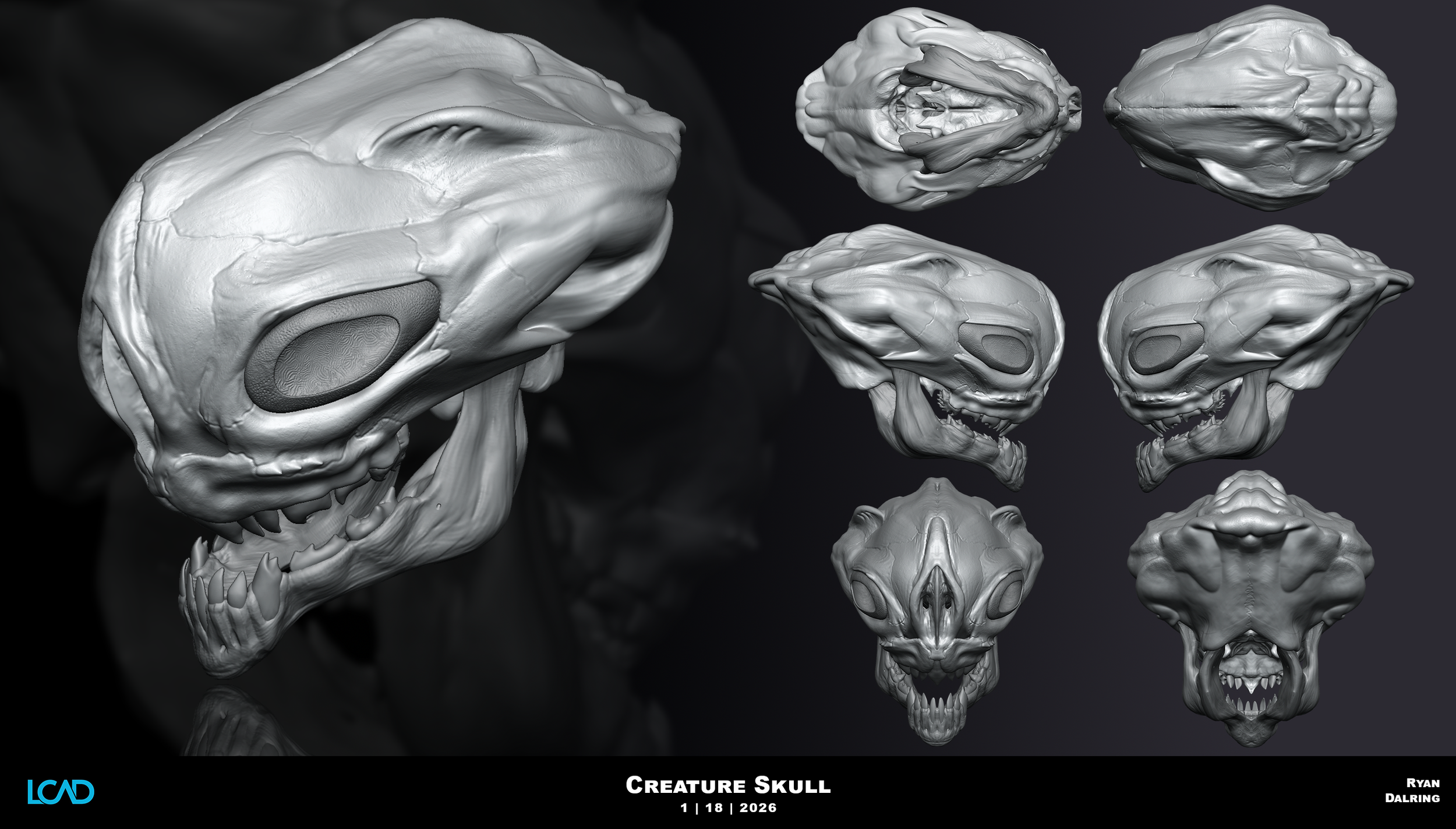
Orthographics - BPR Renders: 15 pts
Front, Side, Top, Bottom
Craftsmanship: 20 pts
Structural clarity
Clean transitions between forms
Consistent surface treatment
Intentional asymmetry and variation where appropriate
Absence of sculpting noise or artifacts
NPR Turntable: 15 pts
Non-photoreal (NPR) render
Full 360° rotation
Simple lighting
Emphasis on form readability
Brushes: 5 pts
Highlight what brushes are used
Polypainting: 20 pts
Evidence of aging, staining, or environmental exposure (optional but encouraged)
No stylized or saturated colors
Polypaint must support the museum presentation
References: 5 pts
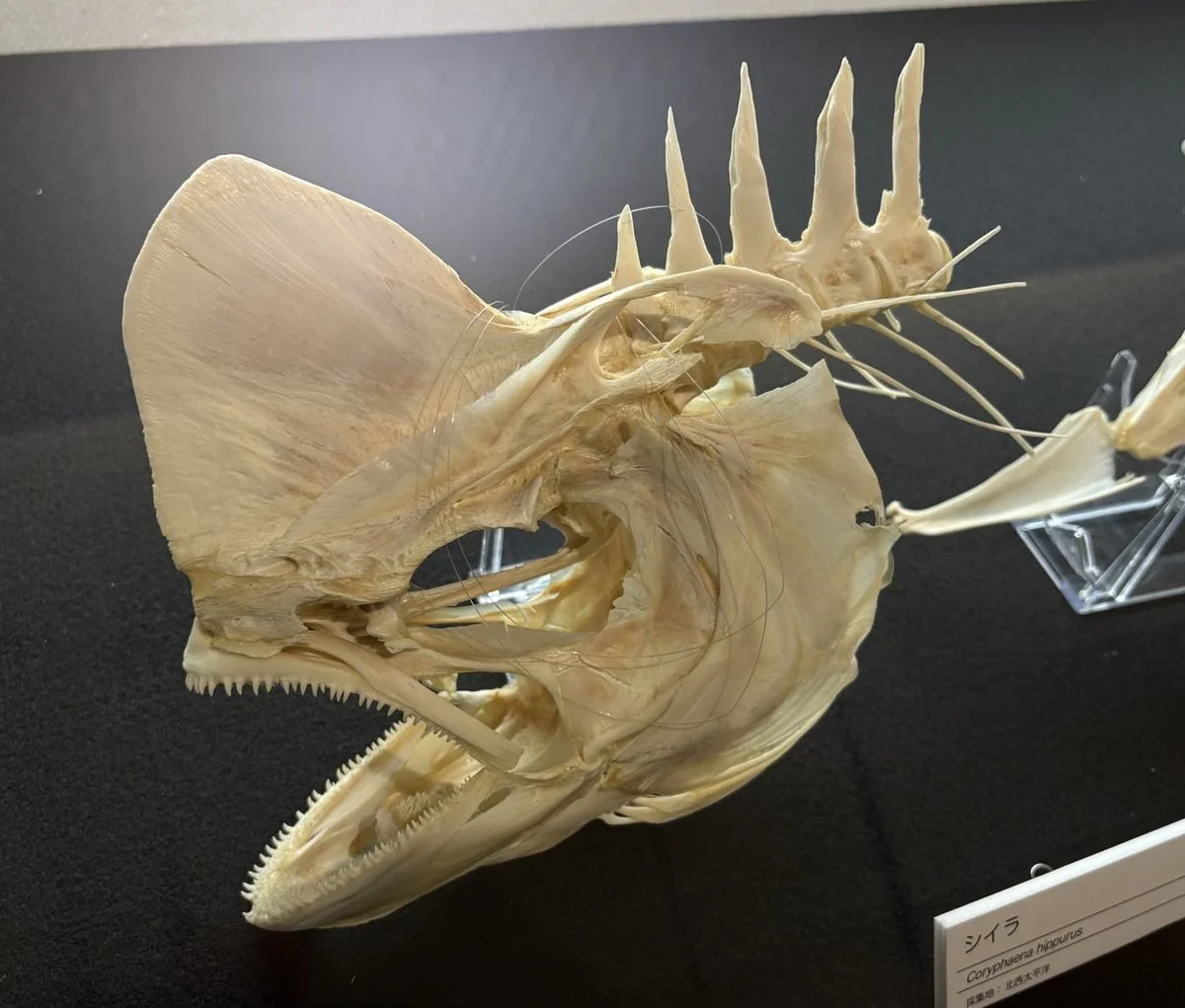
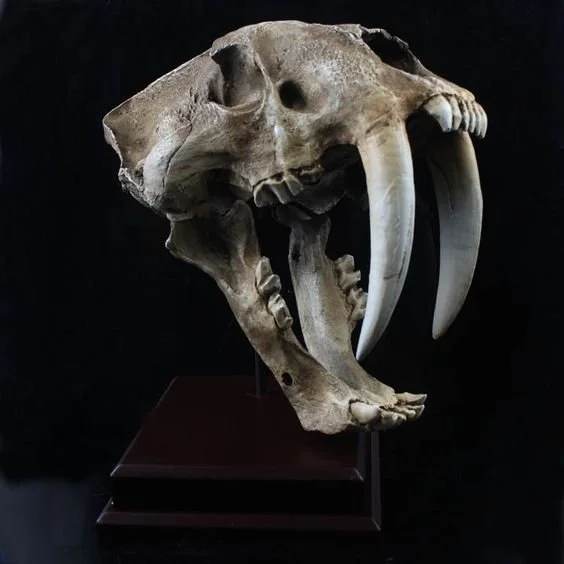
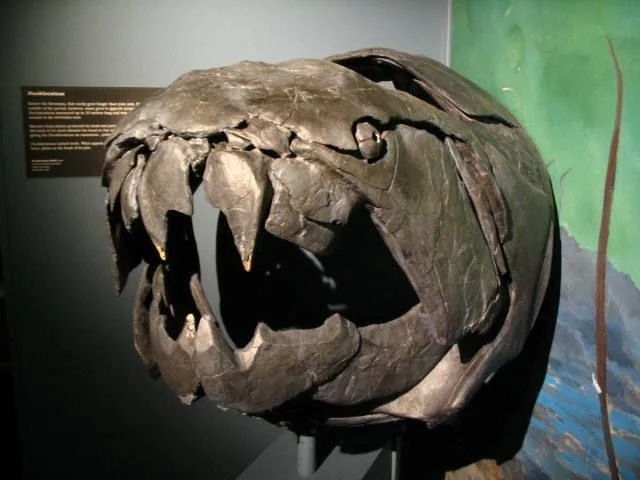
Minimum of 5 reference images
May include real animal skulls, extinct species, pathological specimens, or anatomical studies
References must directly inform structure, asymmetry, and surface decisions
Site your Sources
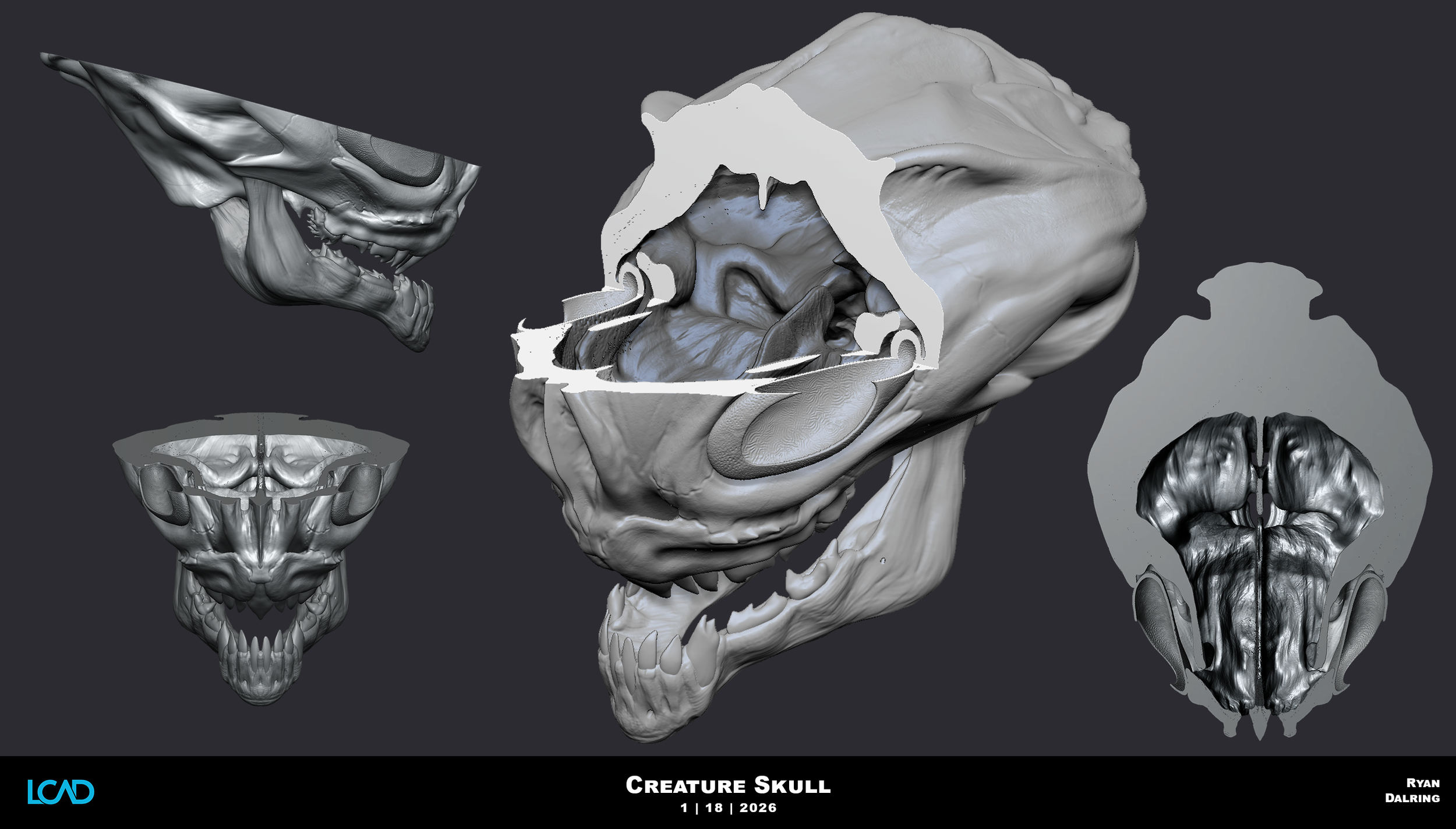
Resources
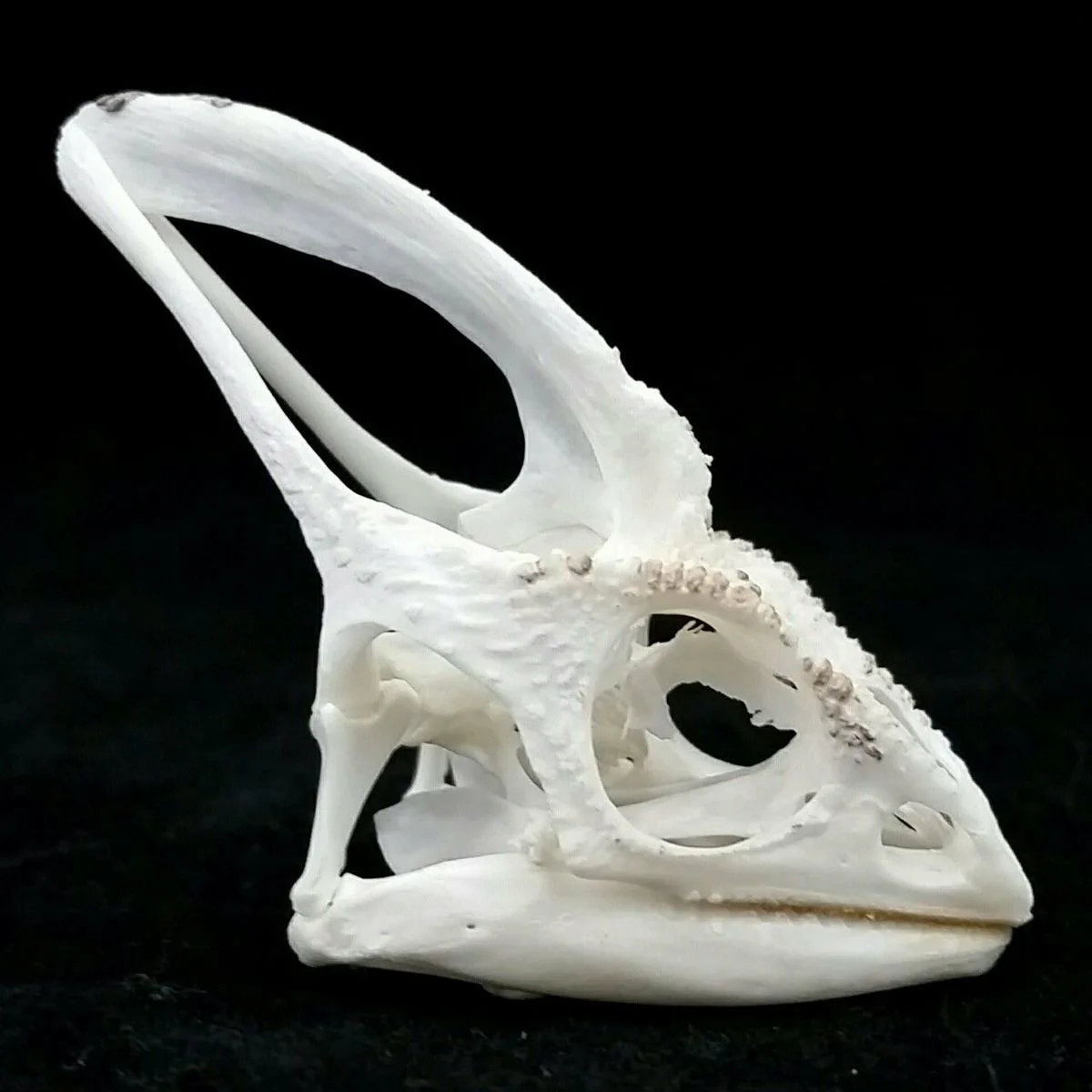
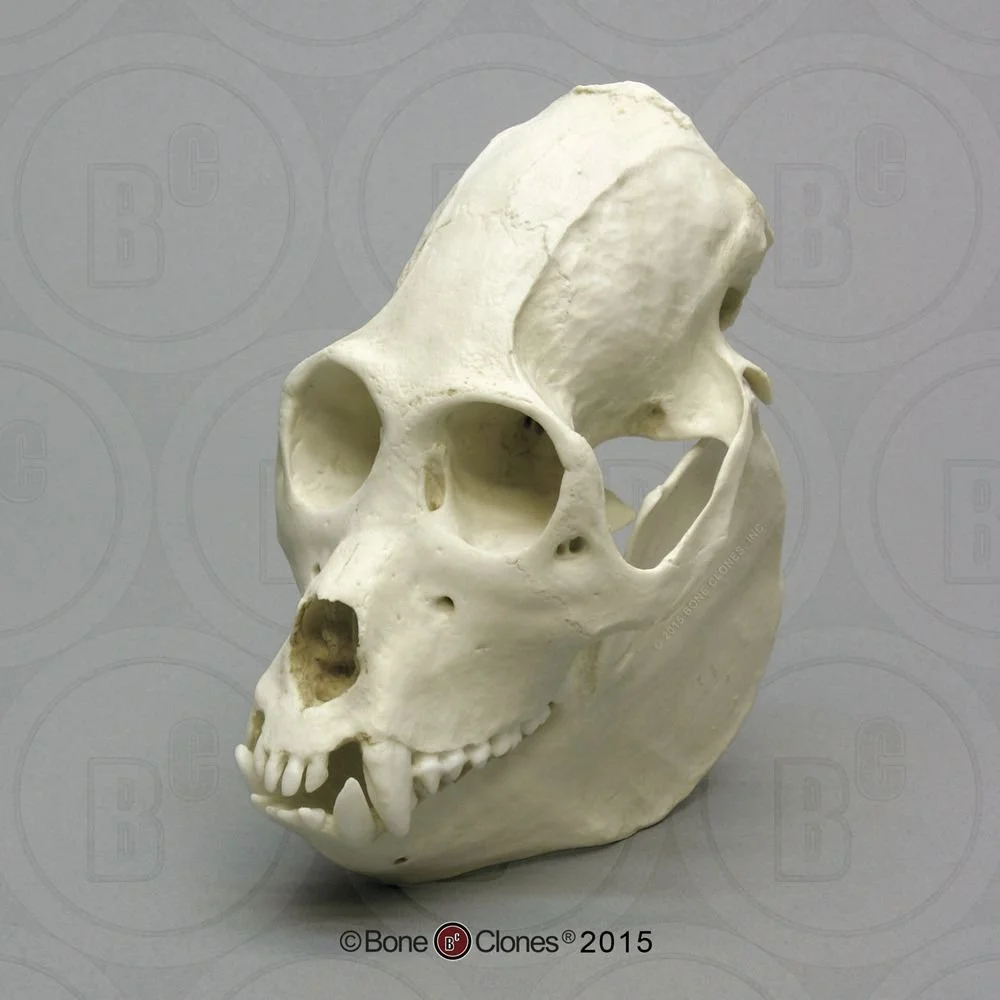
References
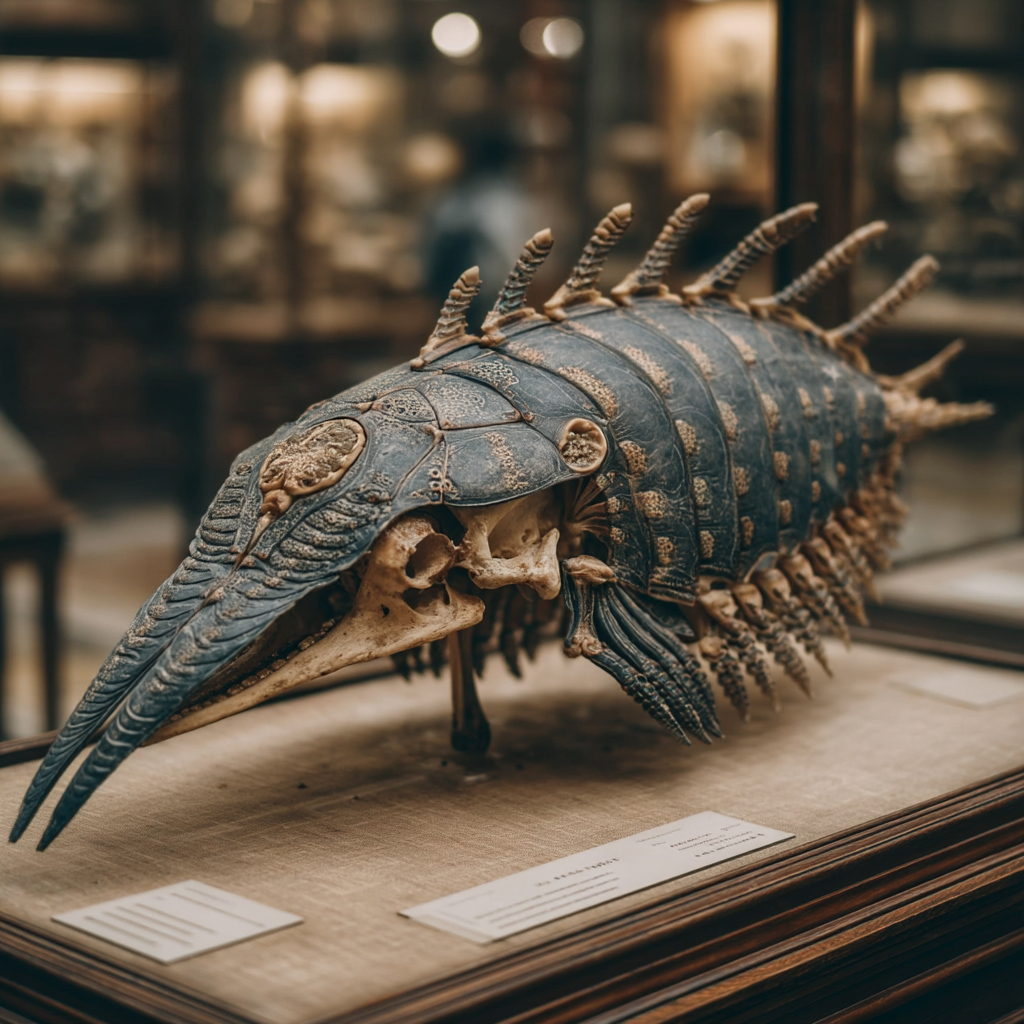
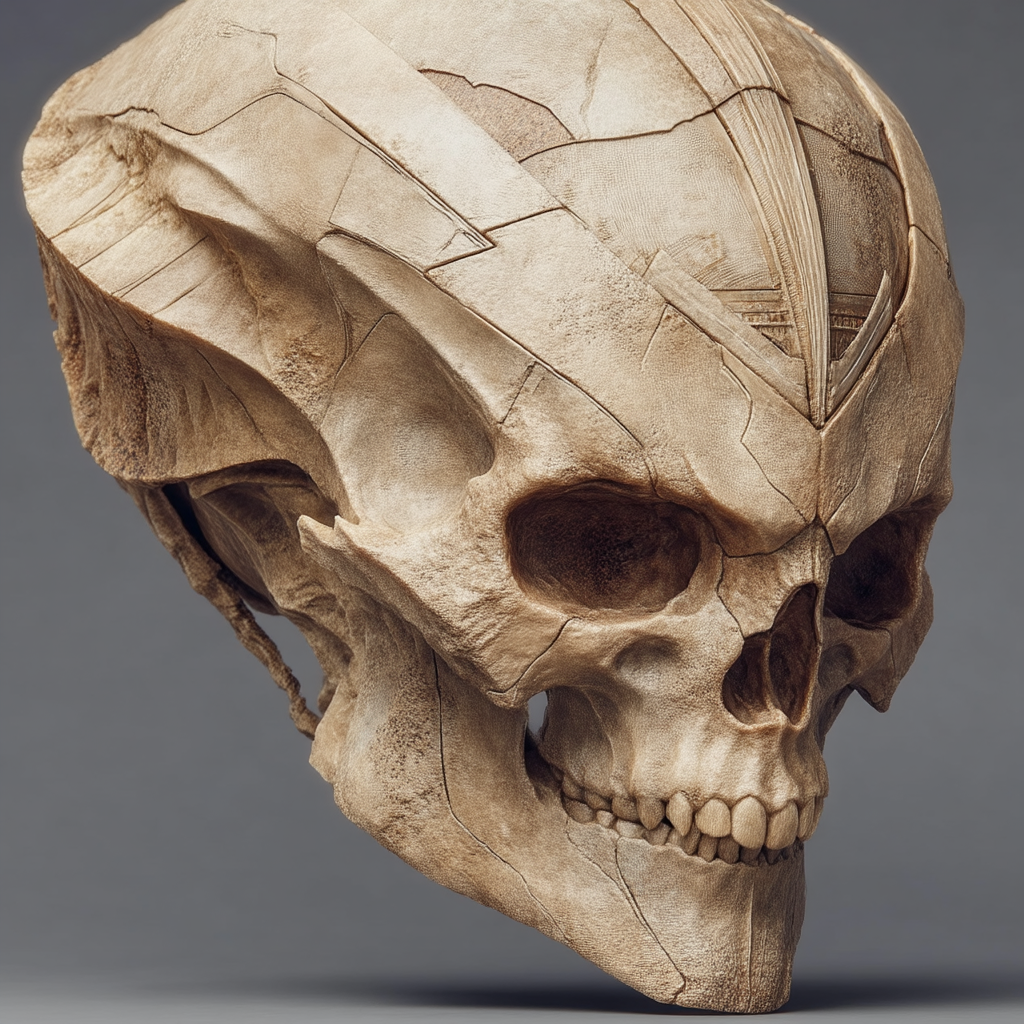
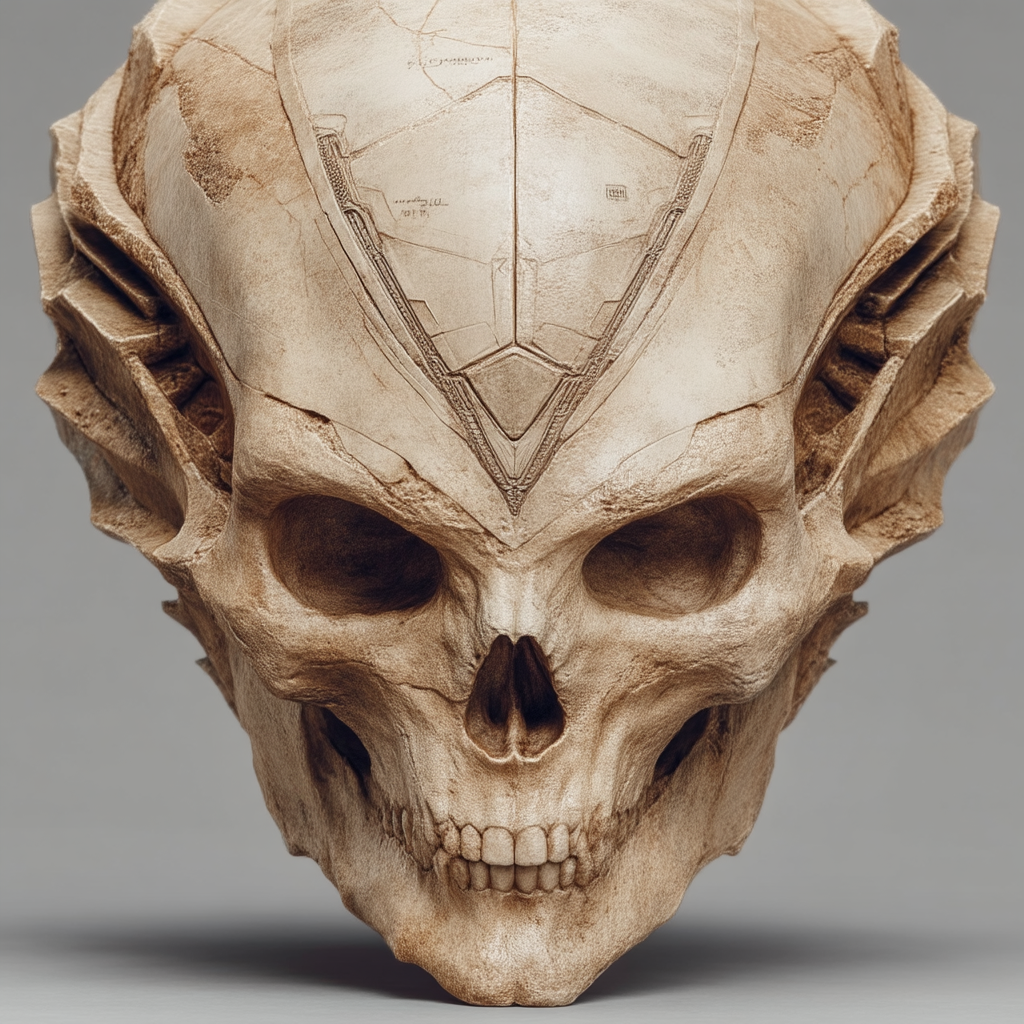
AI RENFERENCE
You are welcome to use AI in my class as long as you site your use of it. Do not pass along AI work of any type as your own. Doing so will make you subject to potential academic penalties.

TRADITIONAL REFERENCE
Gathering from Google is good. Going outside and capturing your own reference is ideal. A great local source is the Natural History Museum in L.A.
For any ZBrush iPad users, you have the advantage of working with photogrammetry now - the ability to scan real world objects.
See me for further details on this.
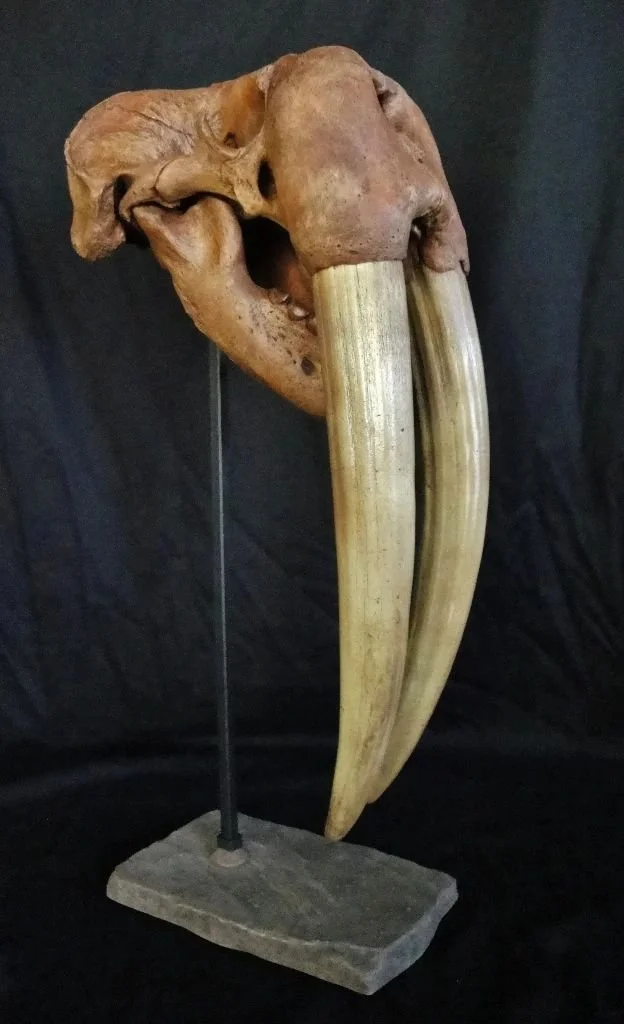
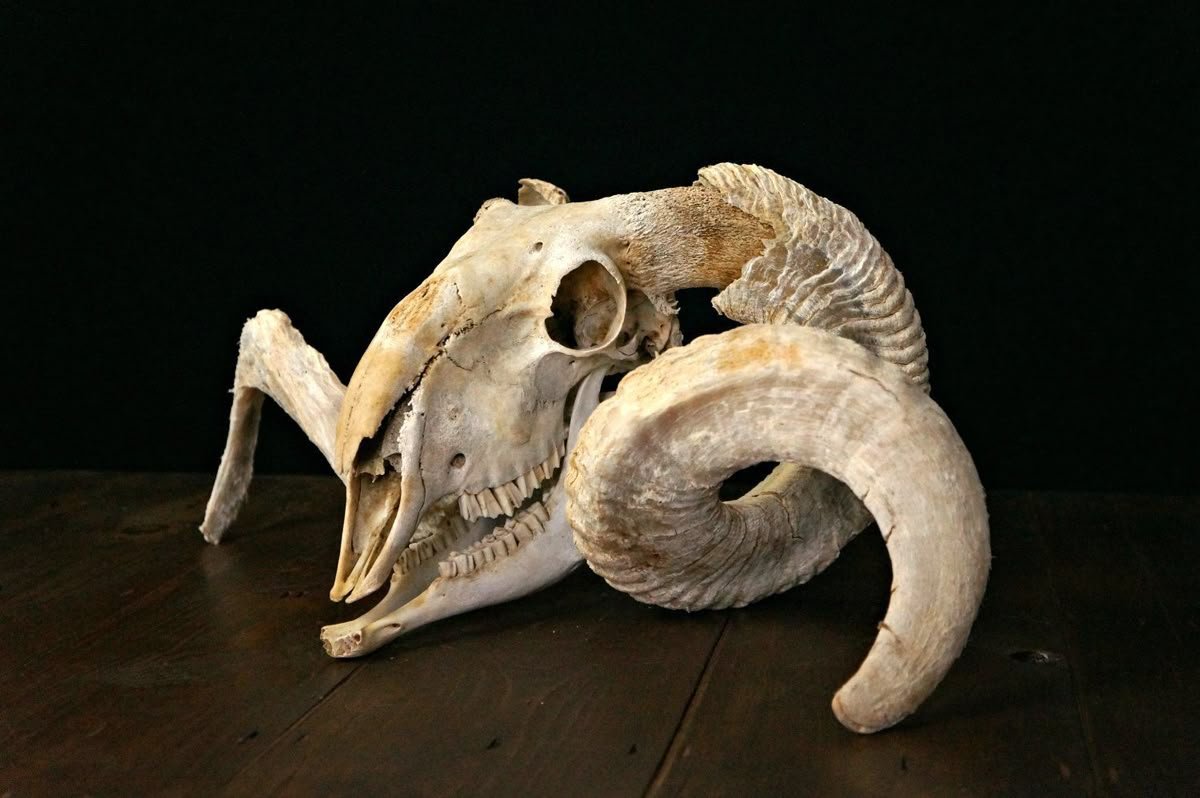
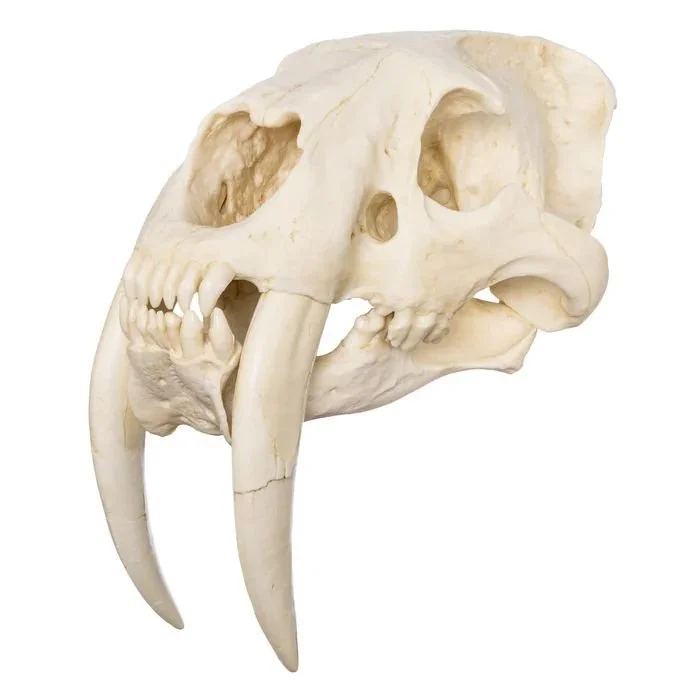
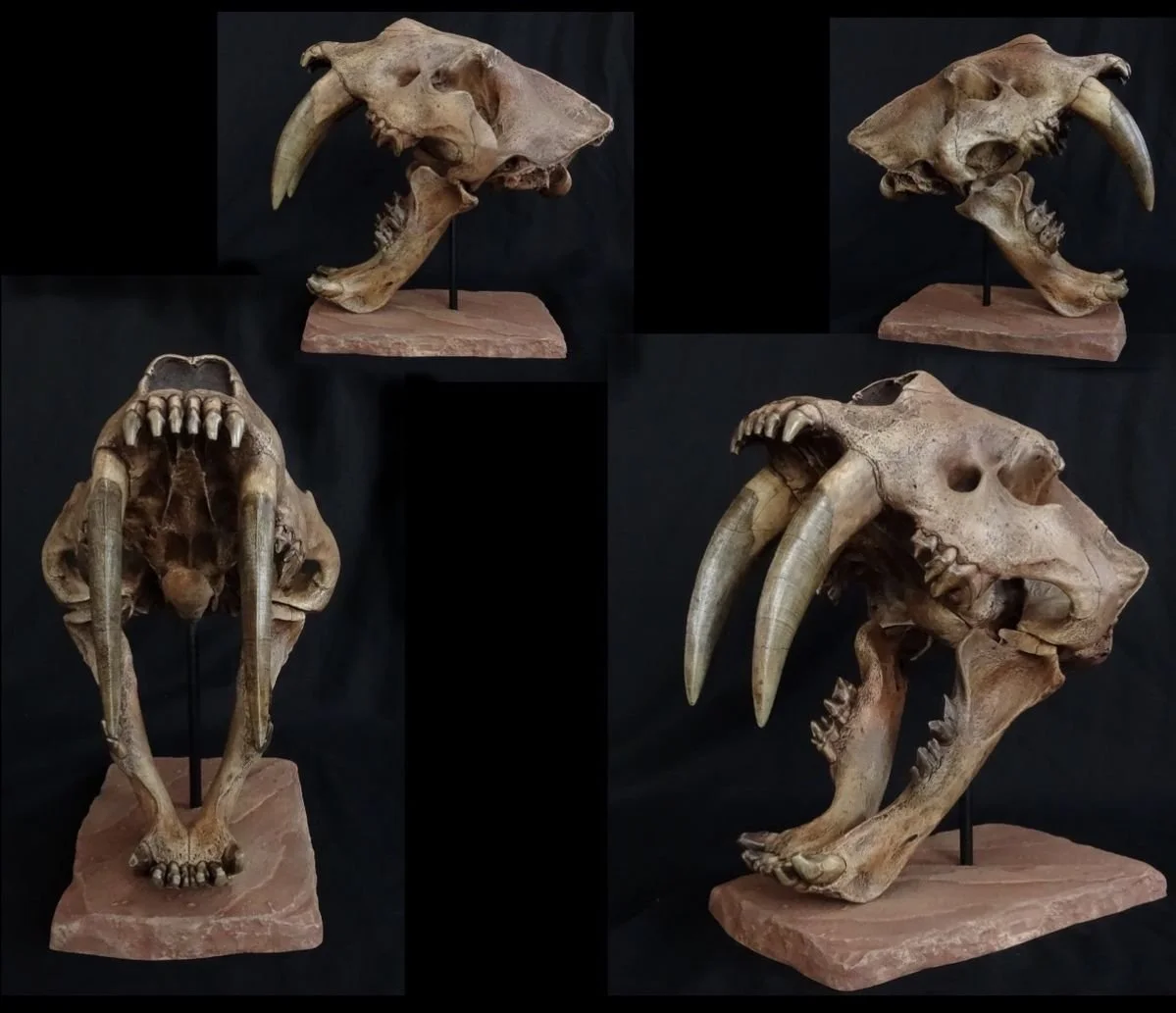
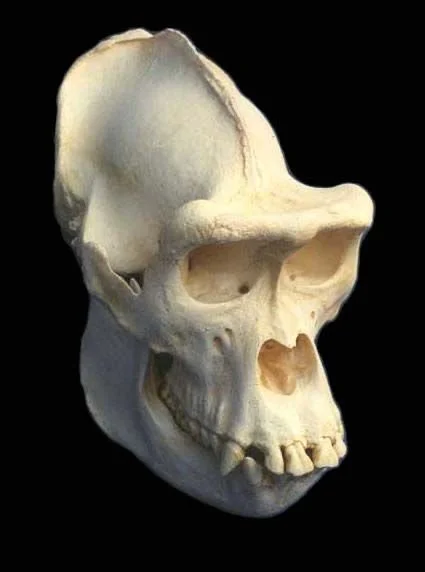
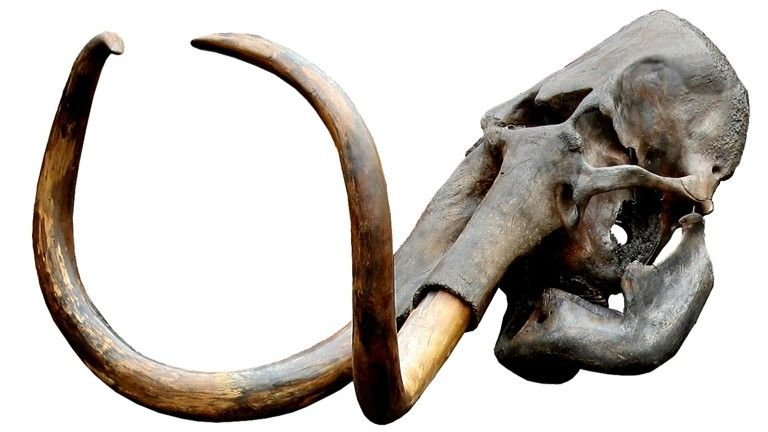
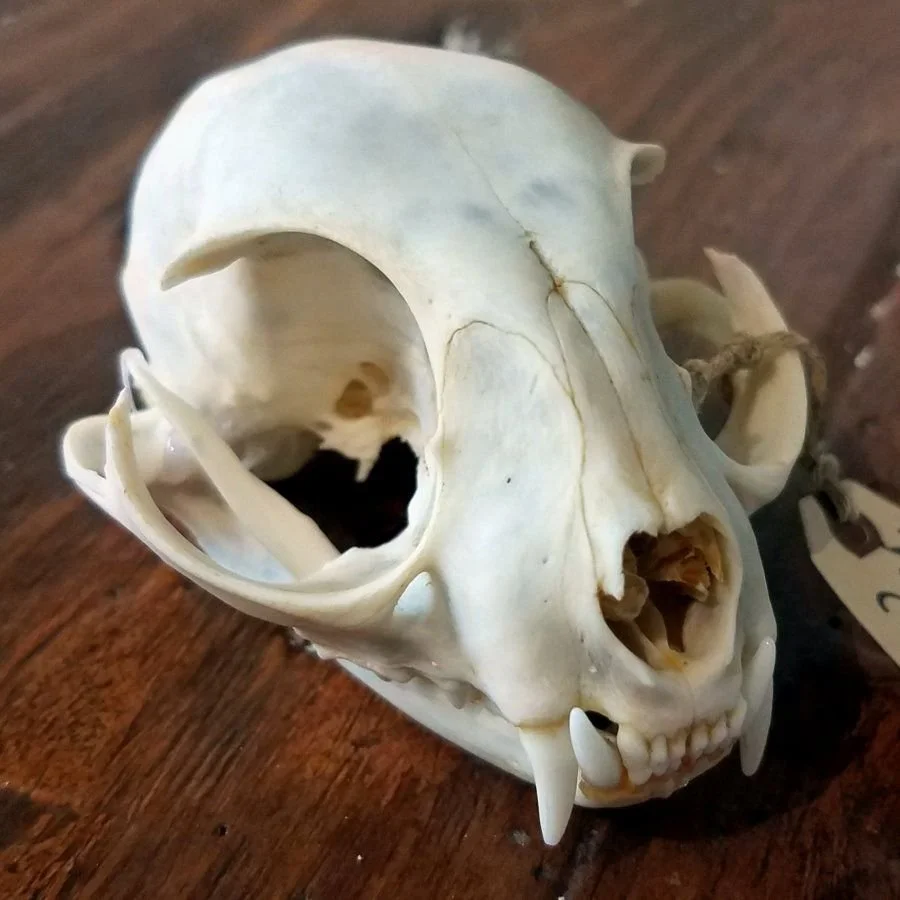
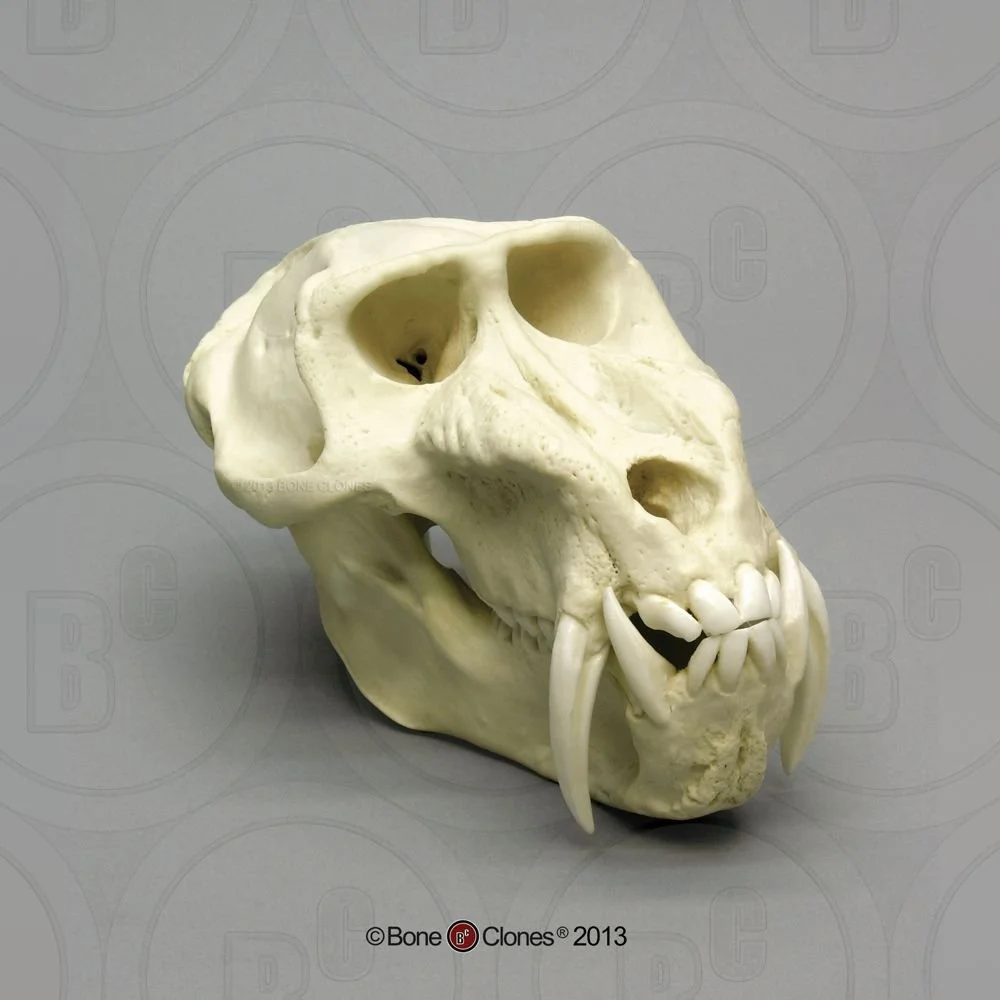
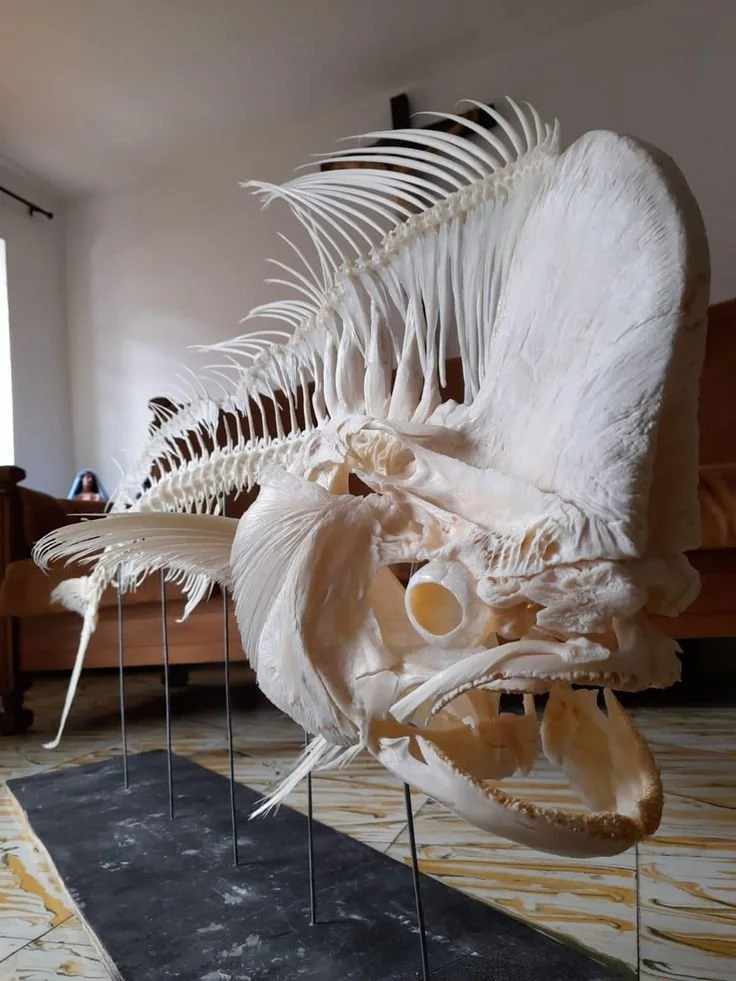
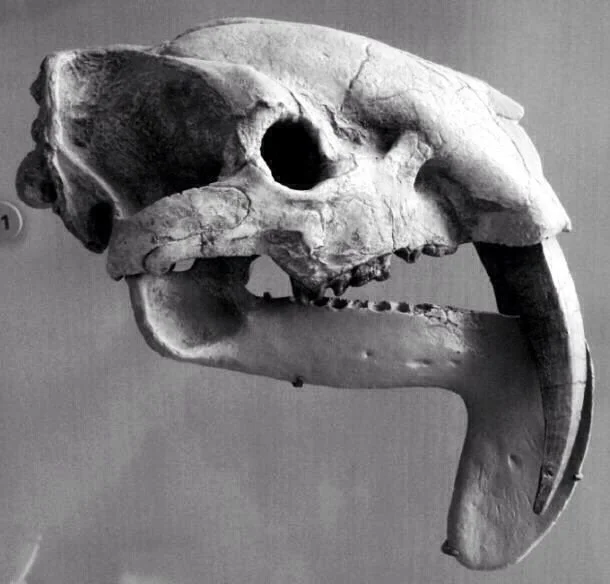
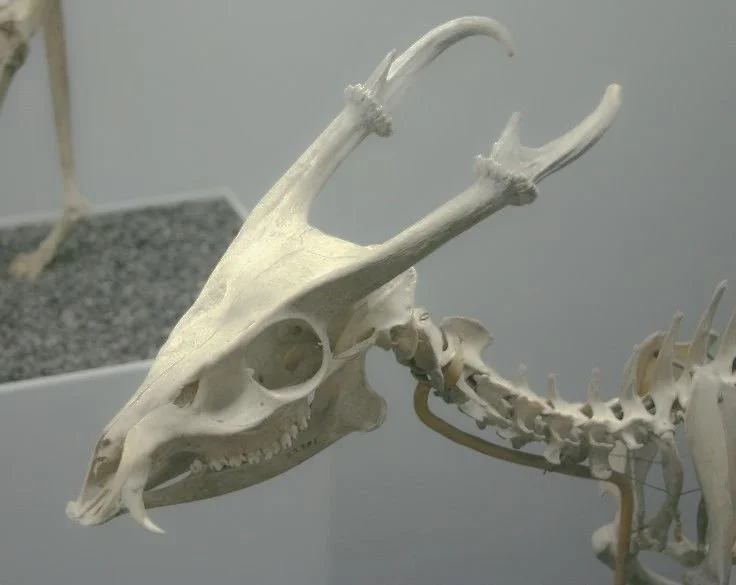
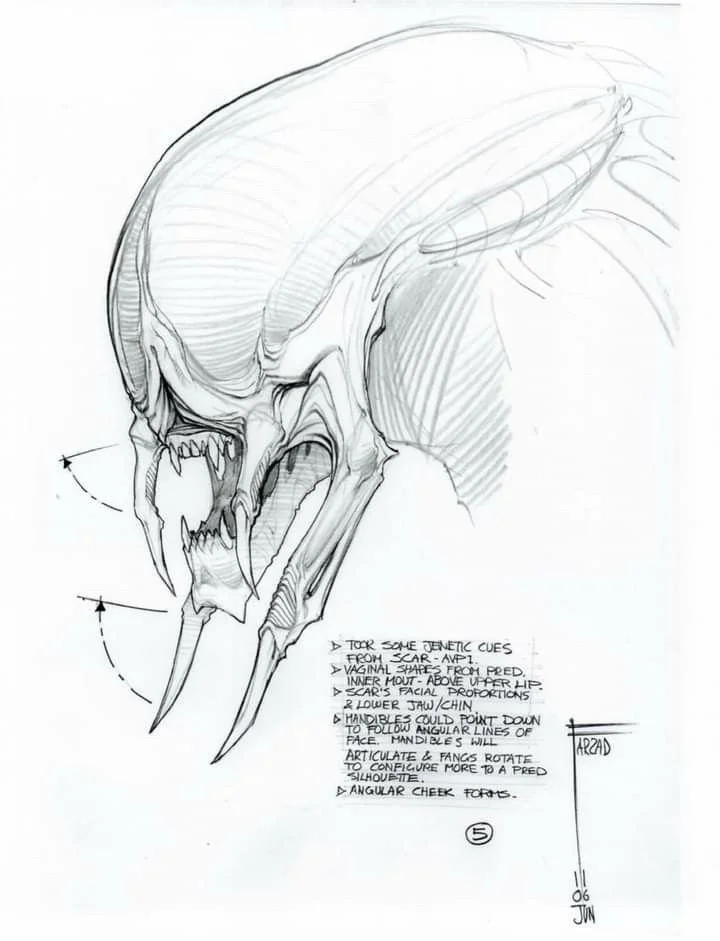
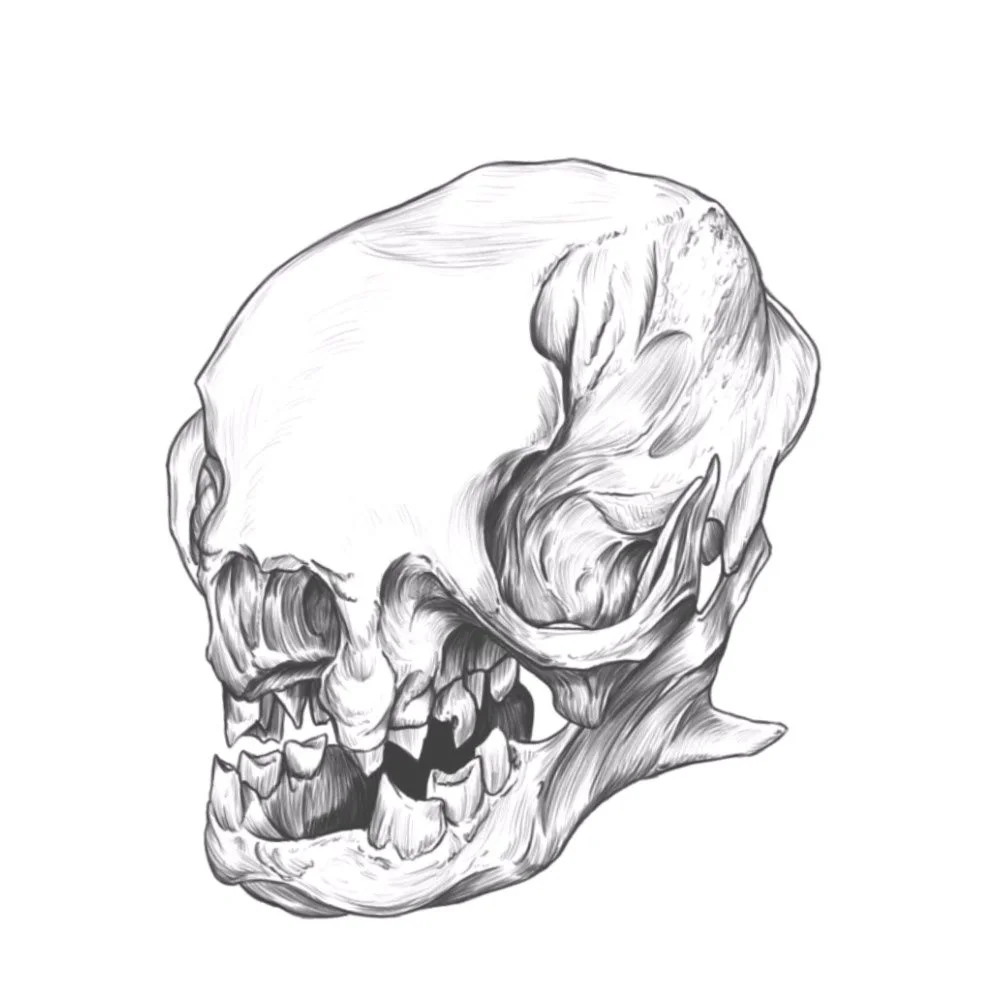
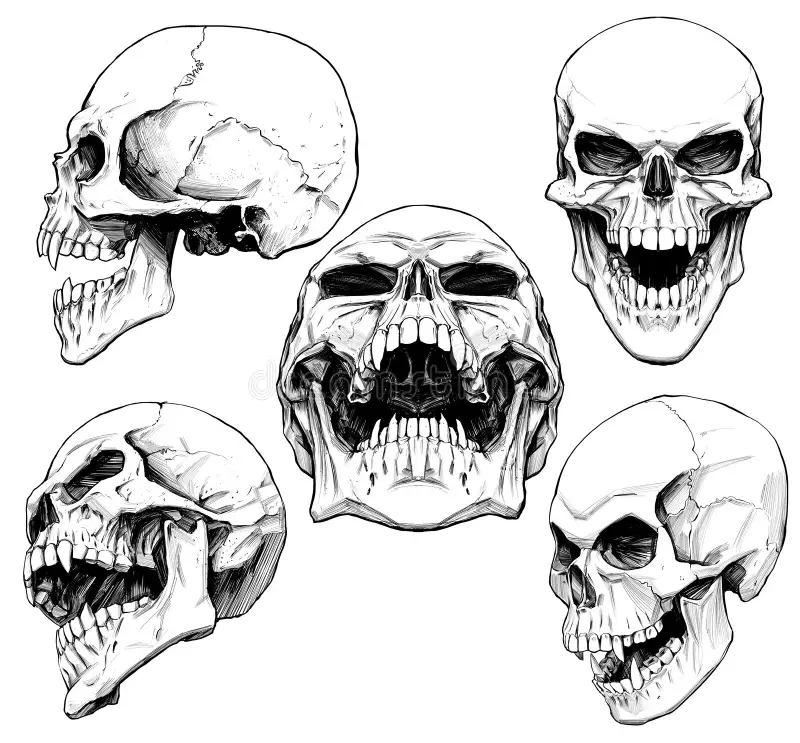
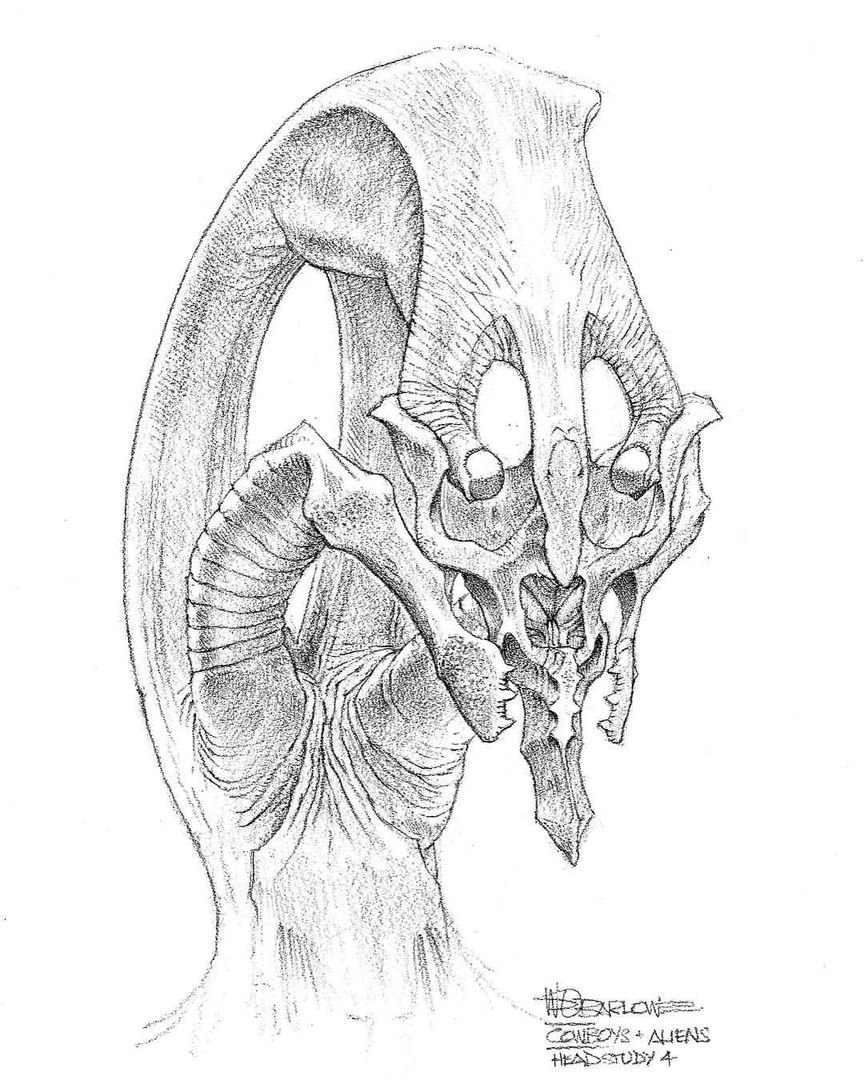
ZBRUSH ARTIST WORK
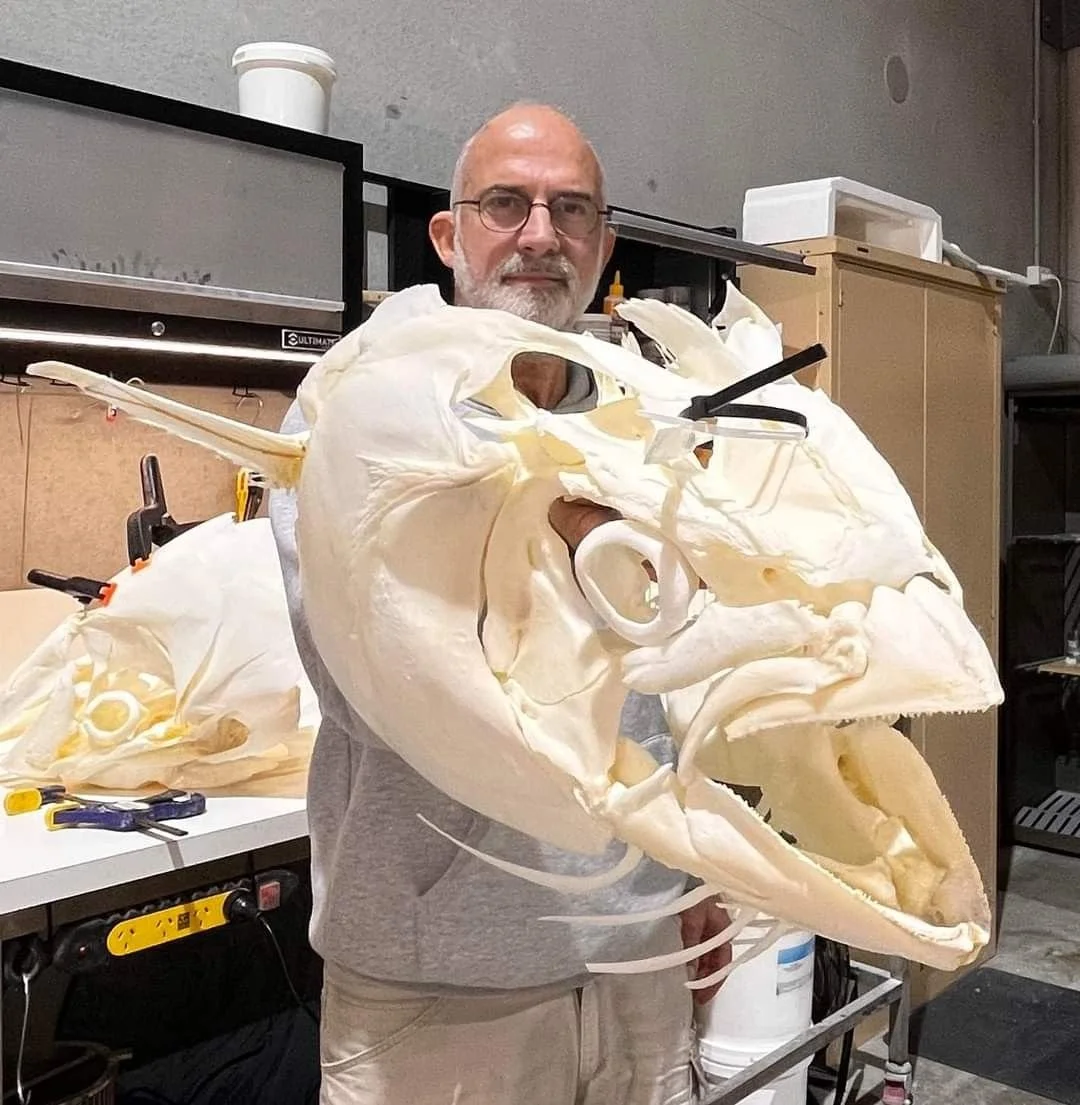
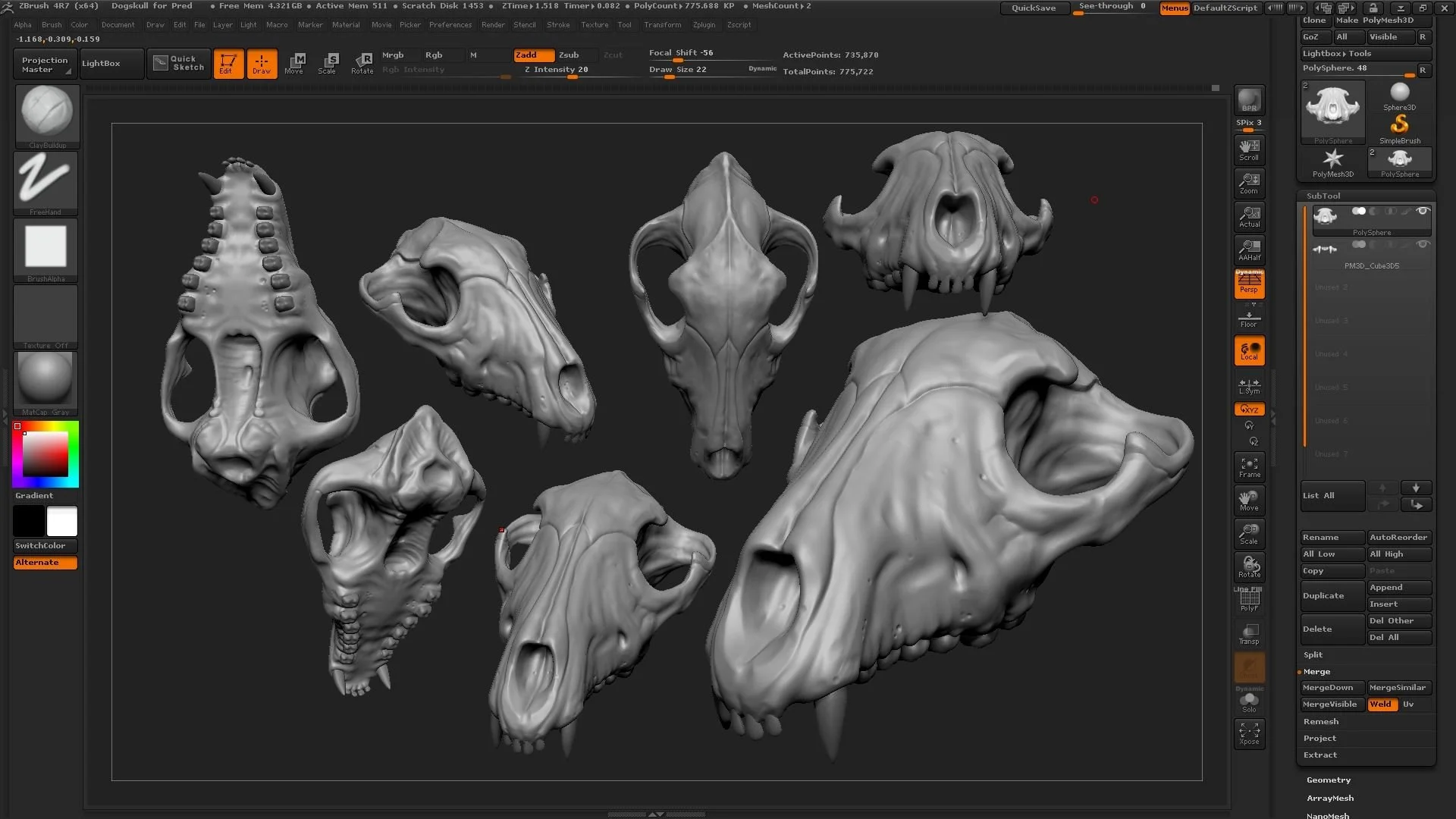
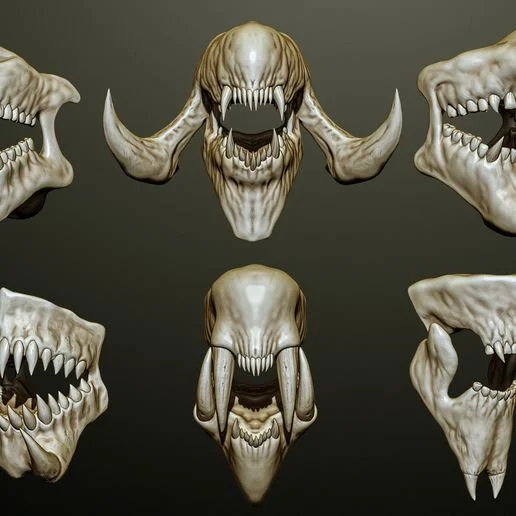
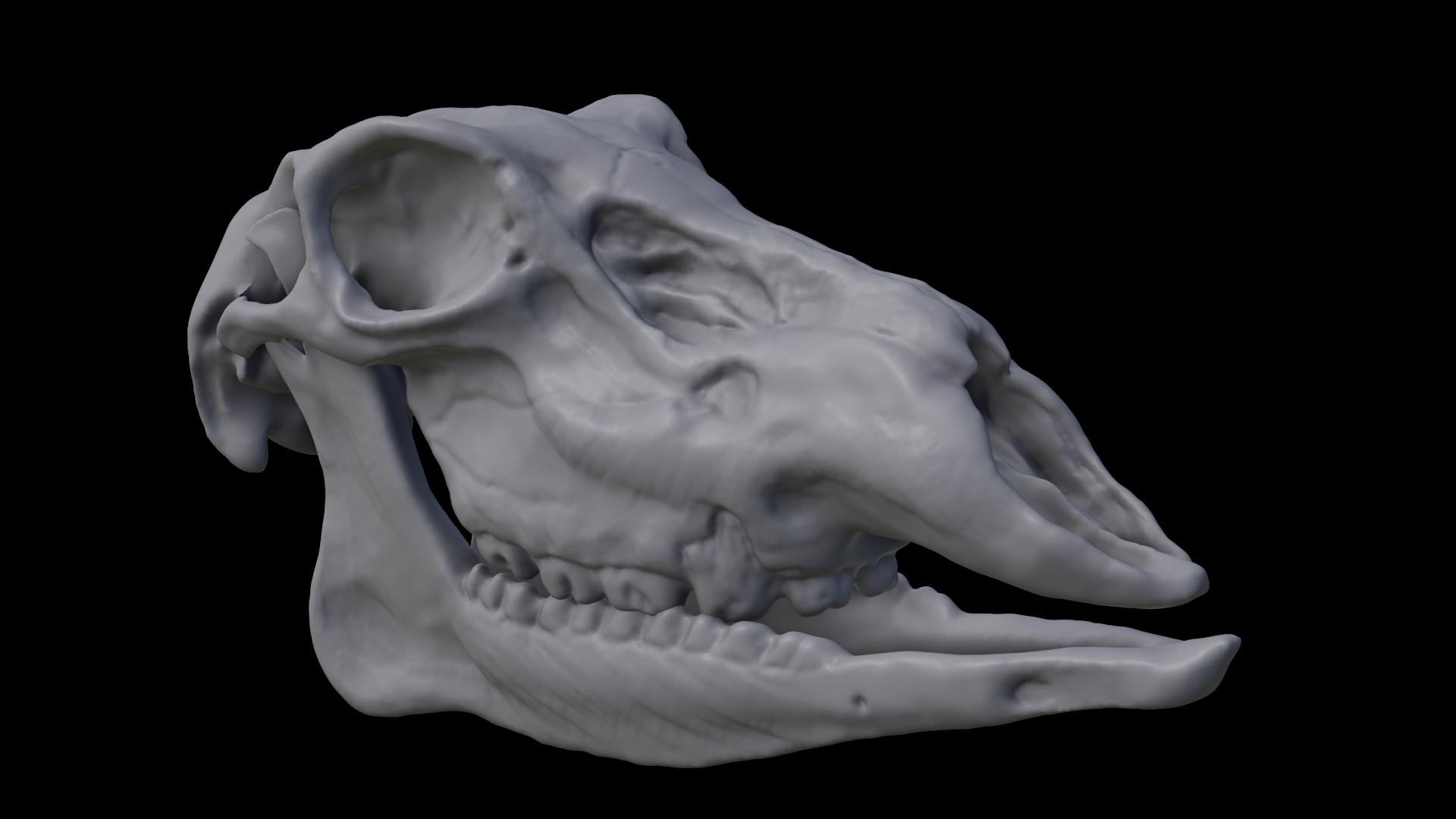
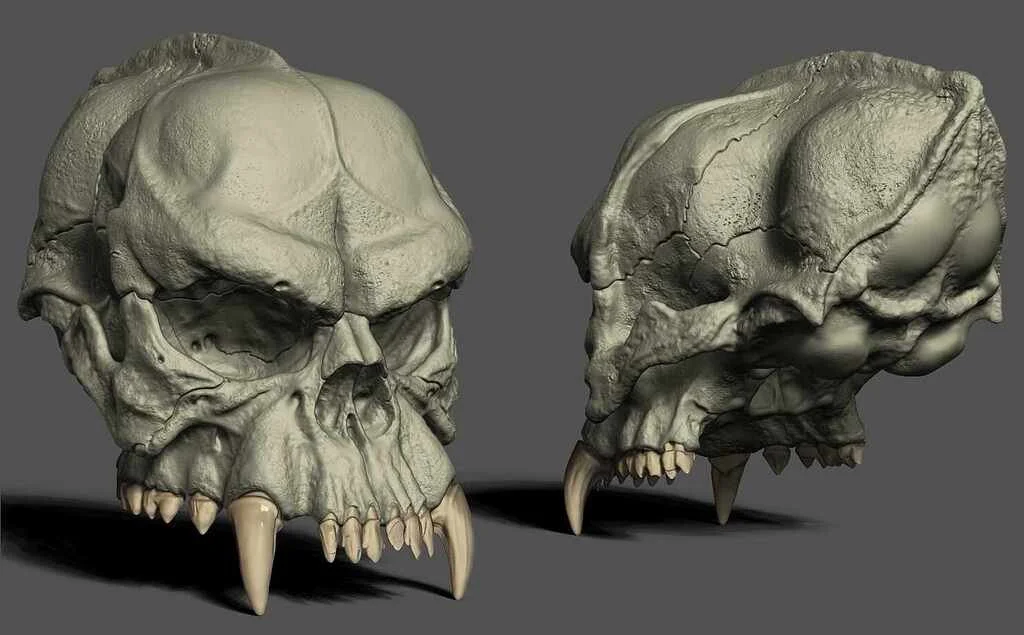
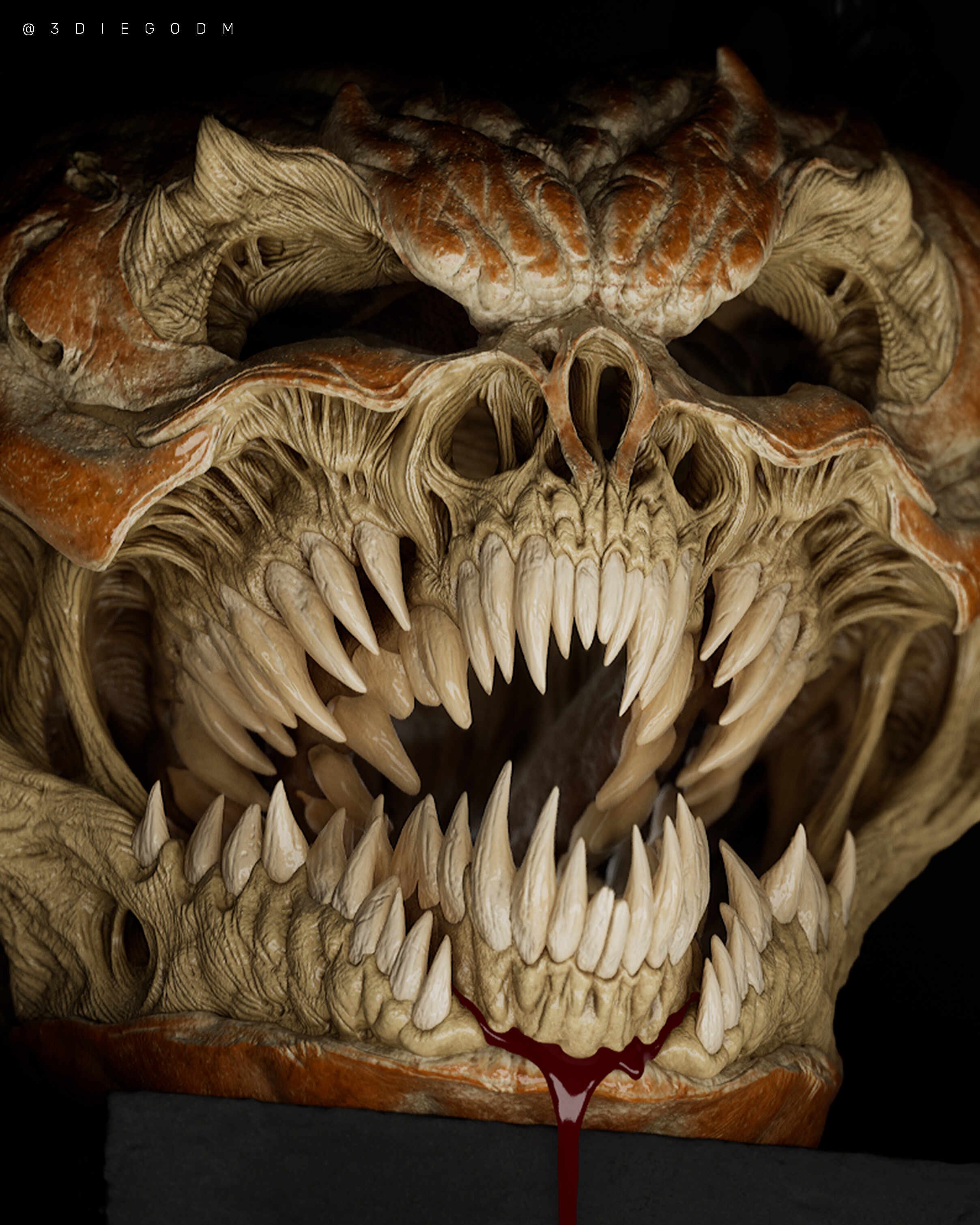
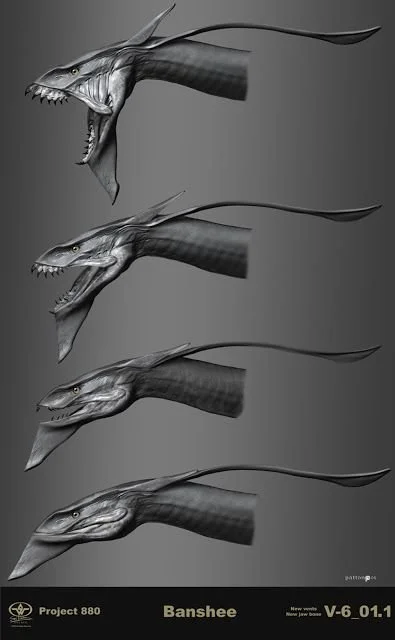
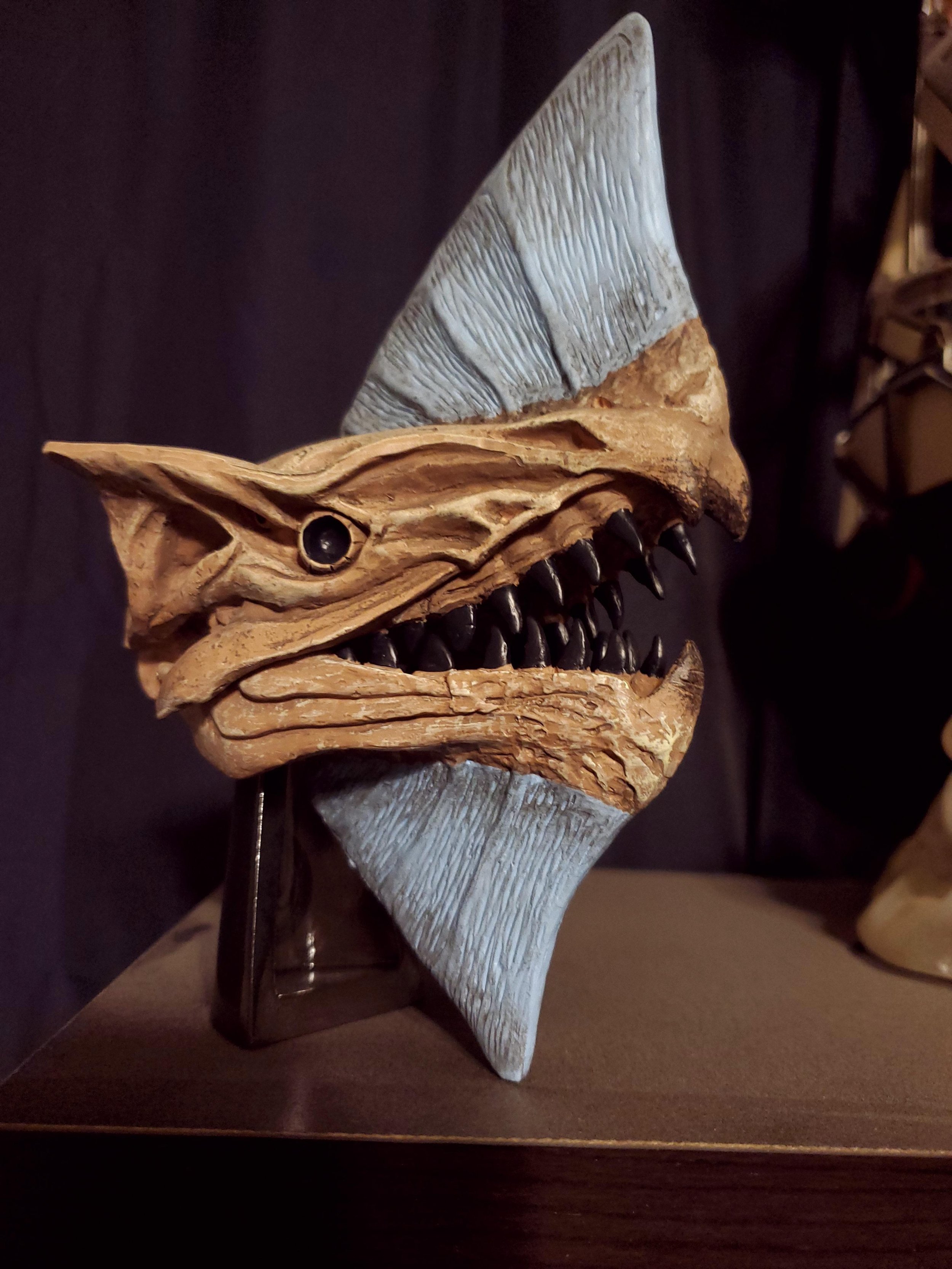
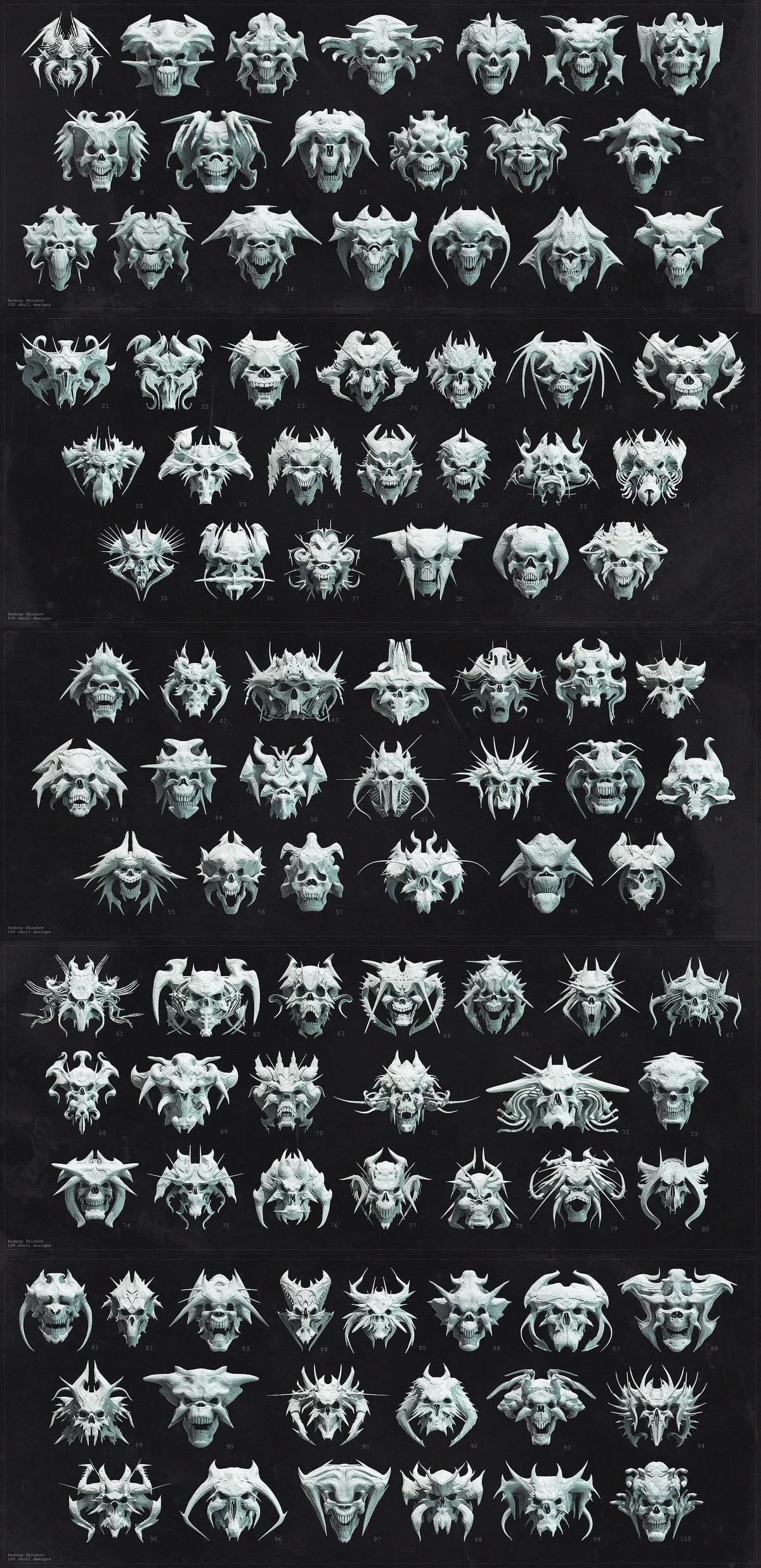
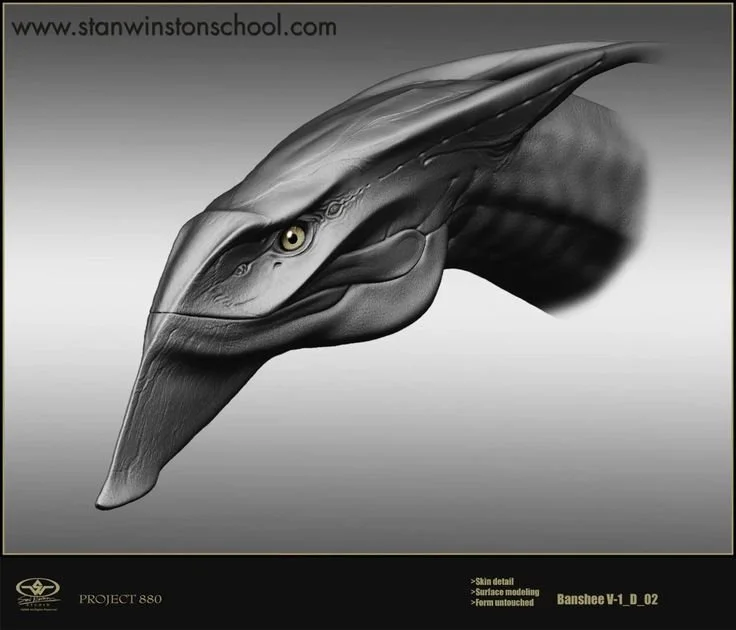
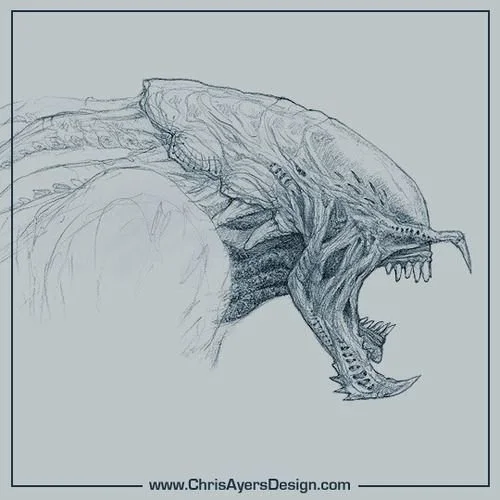
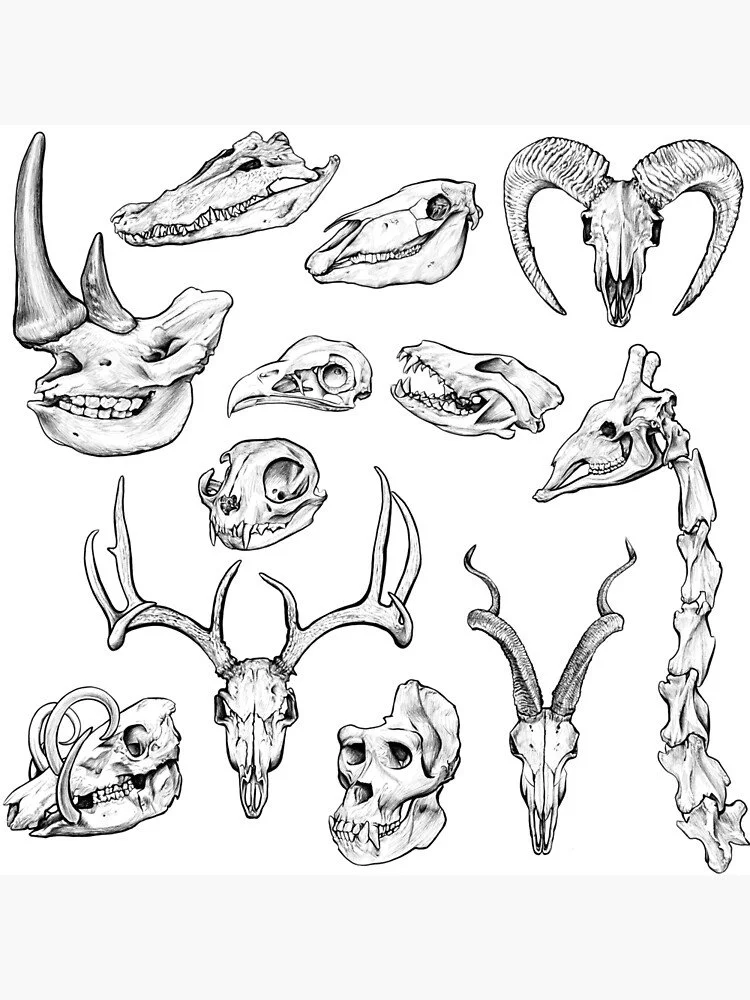
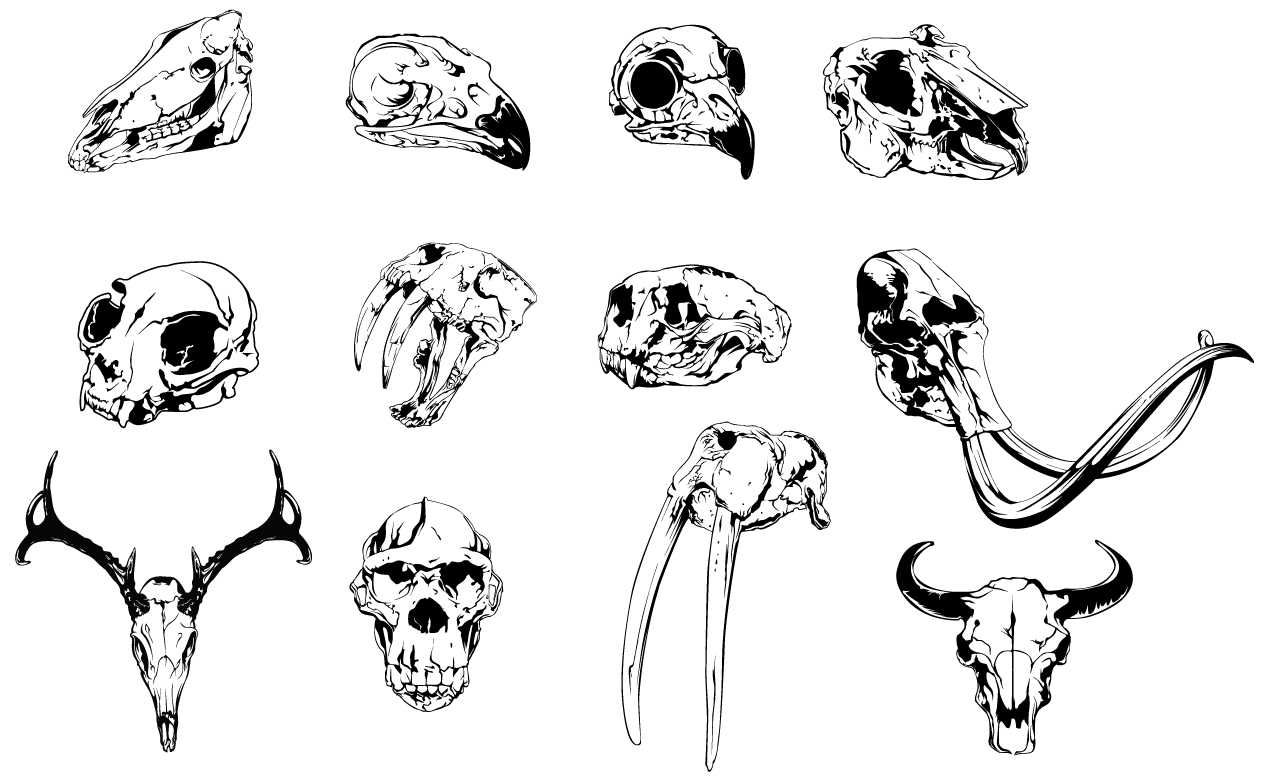
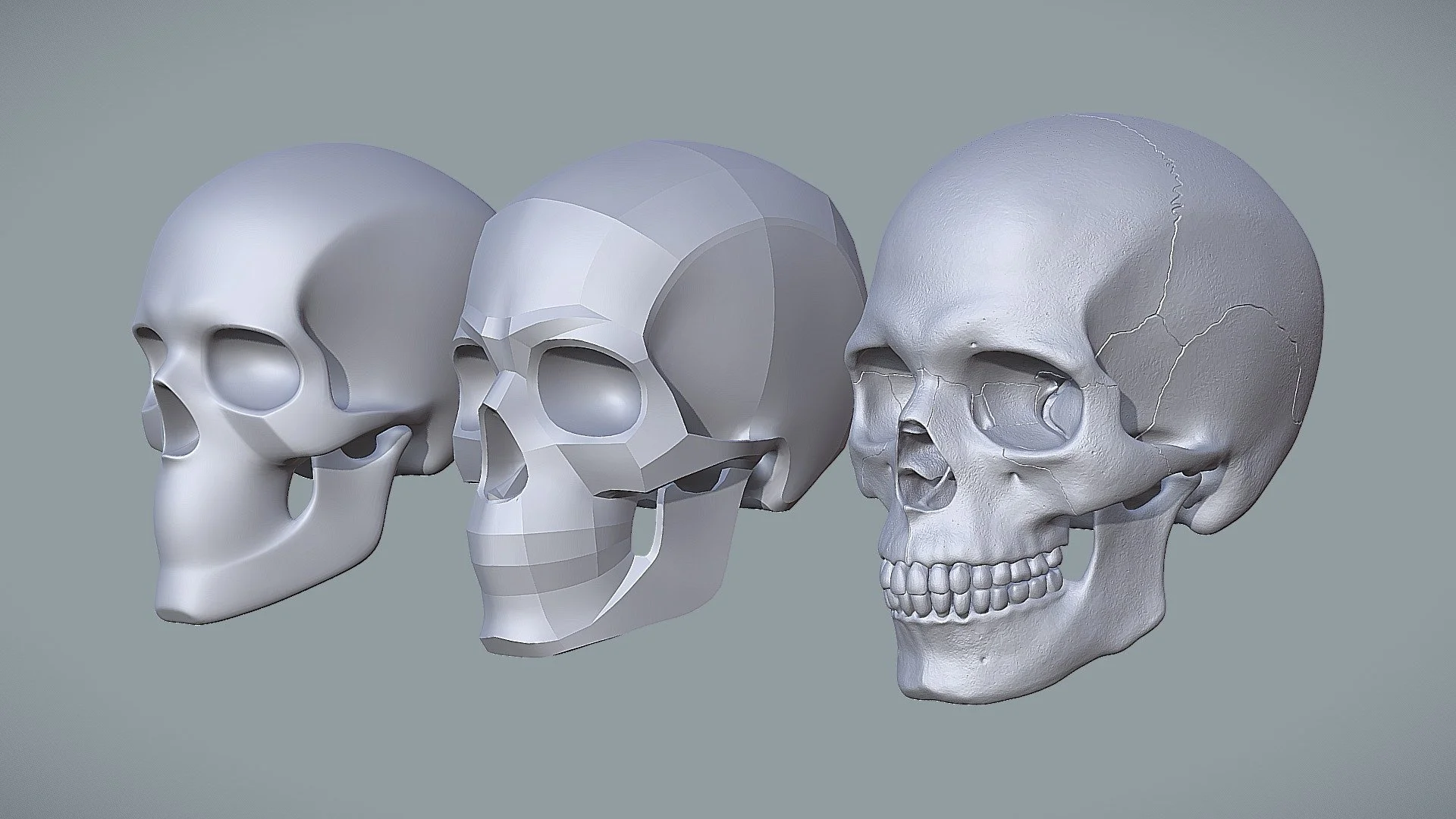
There is tremendous value in the study of other artist’s work. It helps to aspire to a higher level of work quicker when comparing your output to a finished goal. I’m often inspired by the success of others.
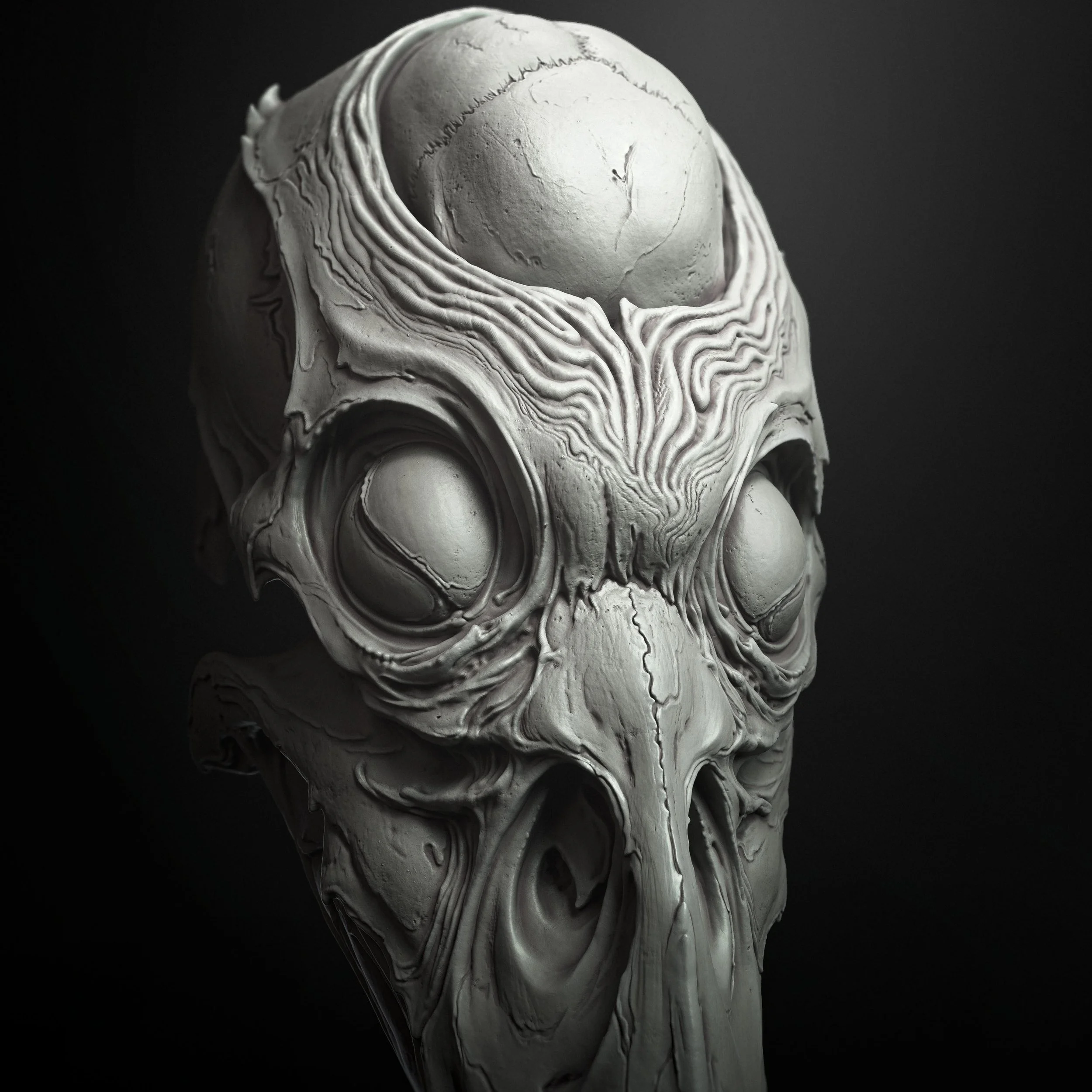
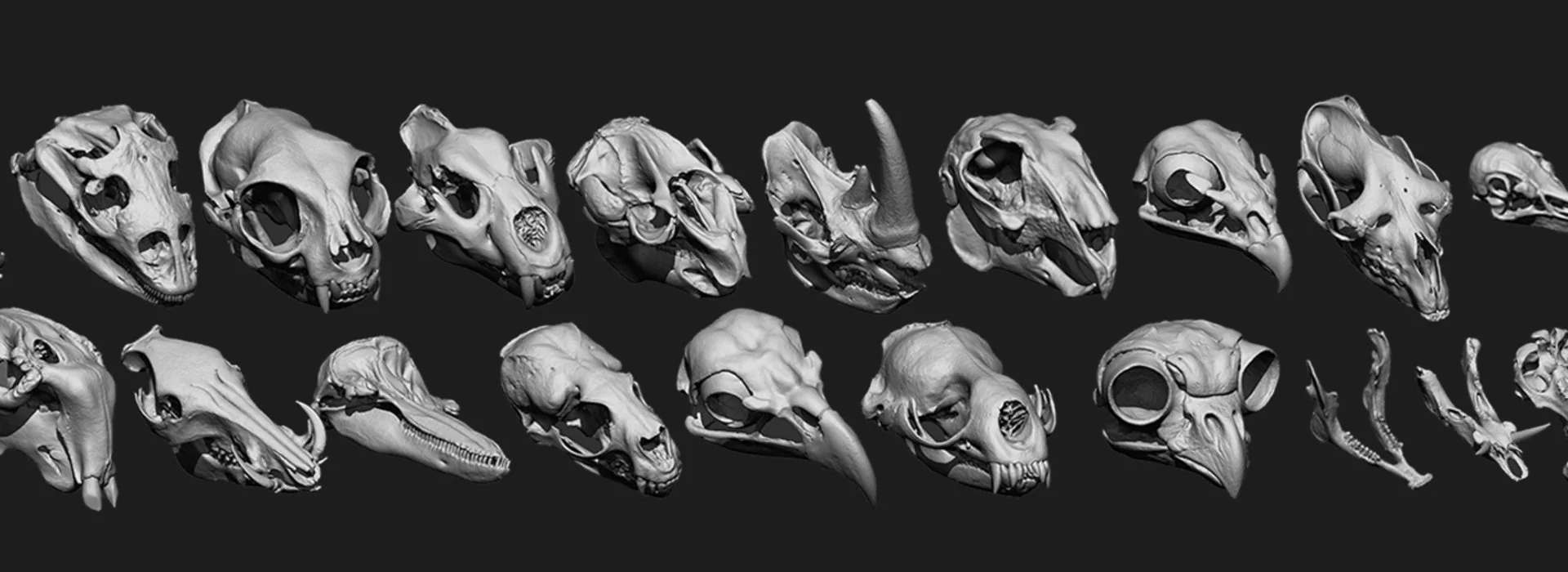
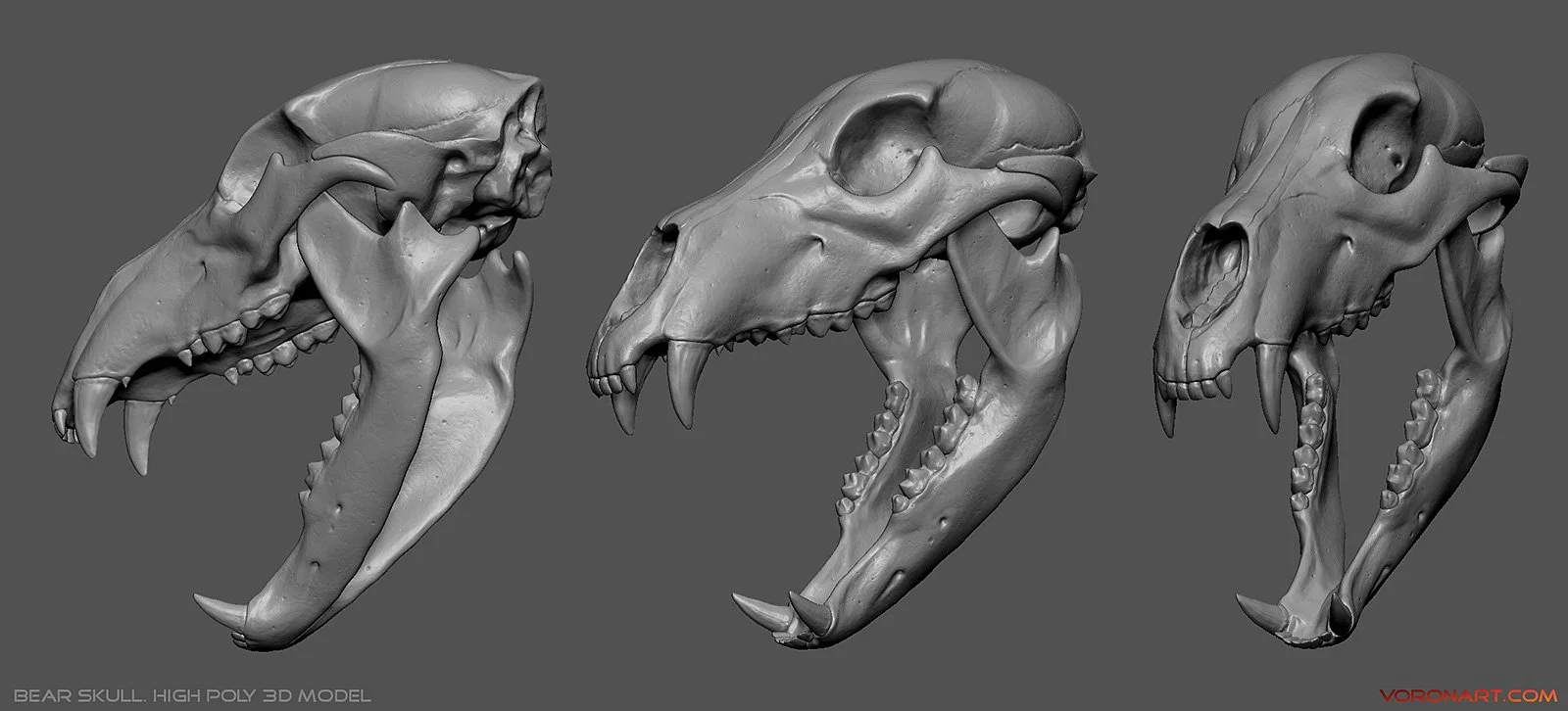
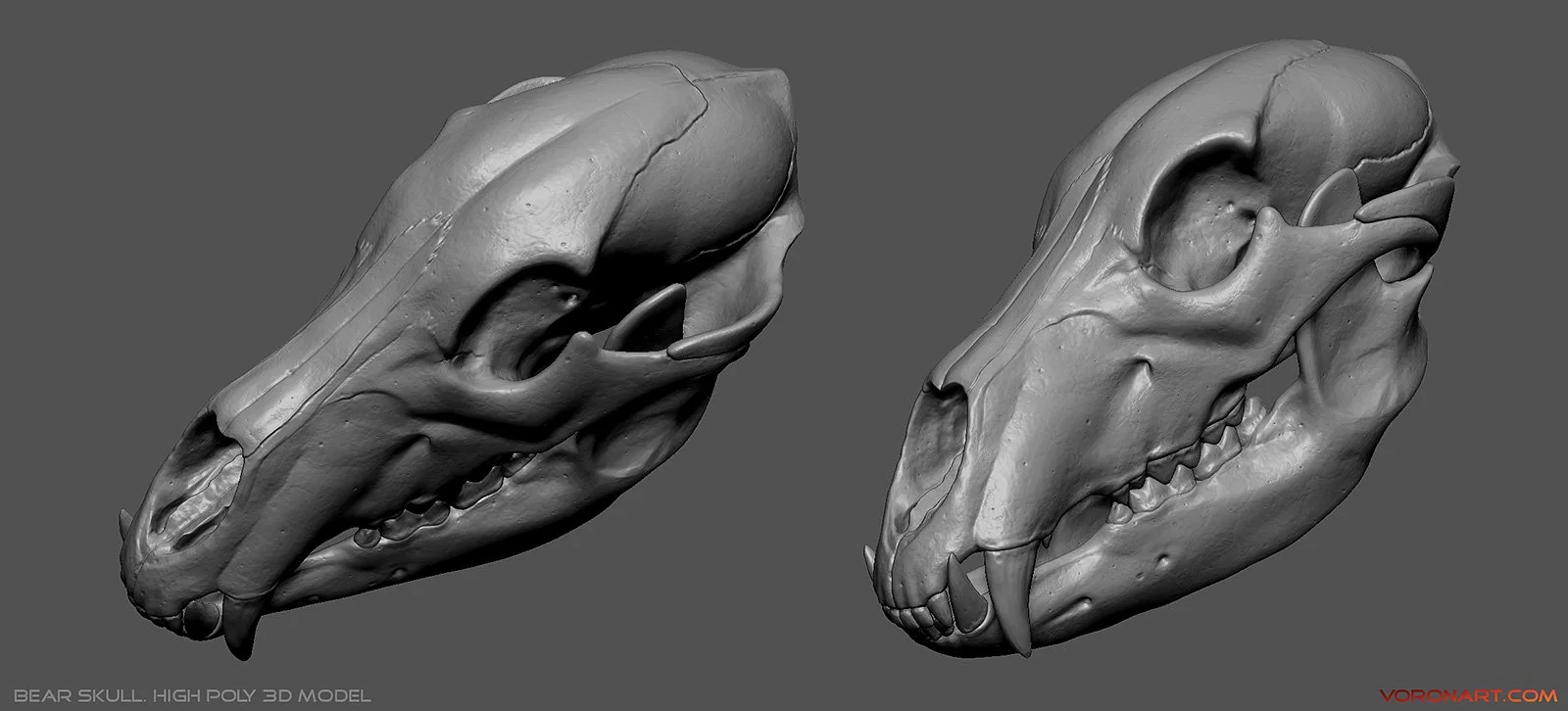
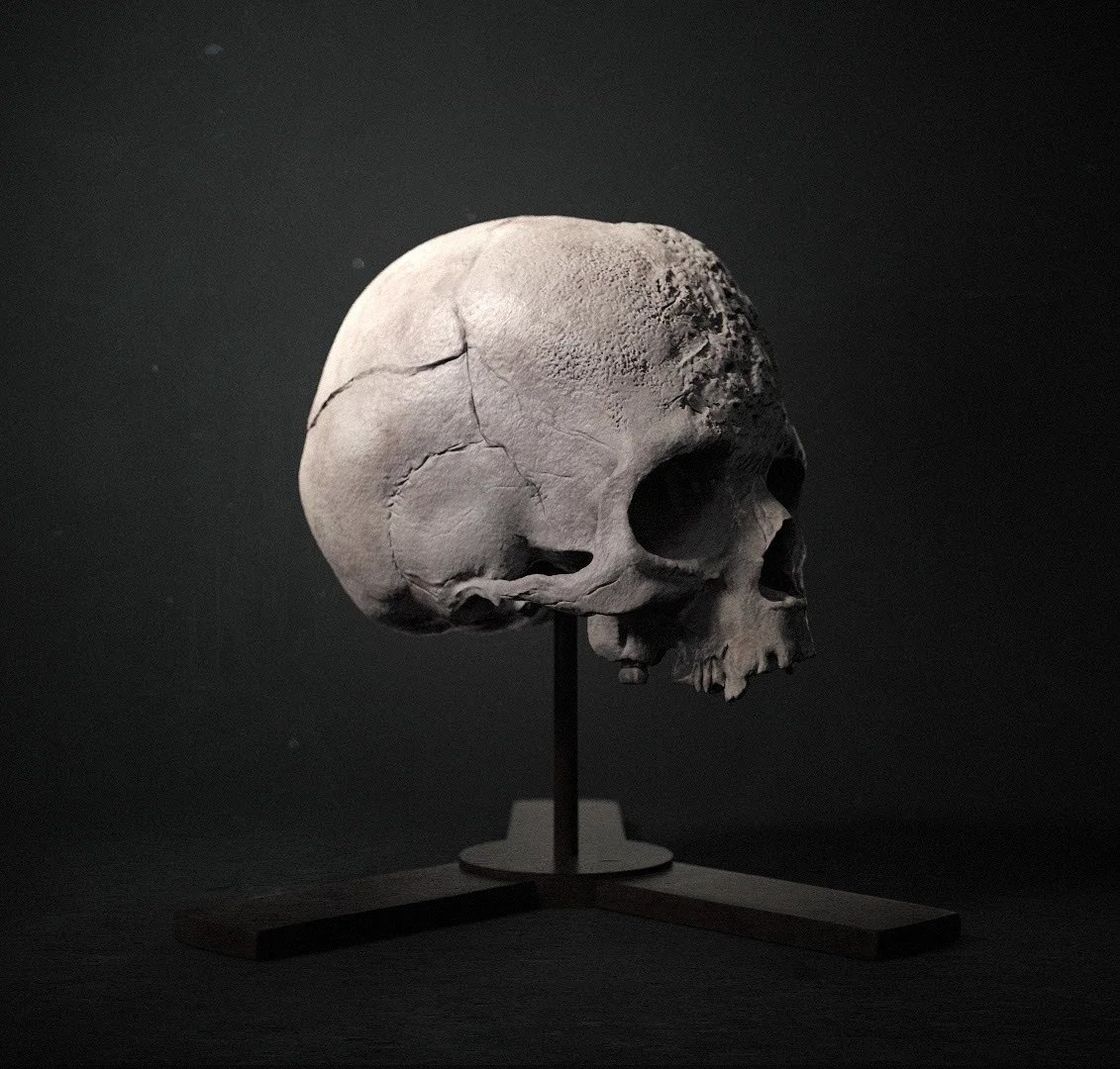
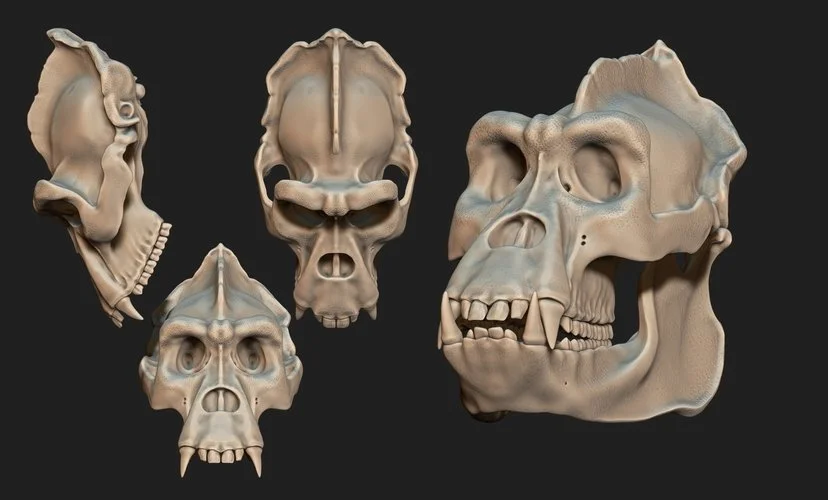
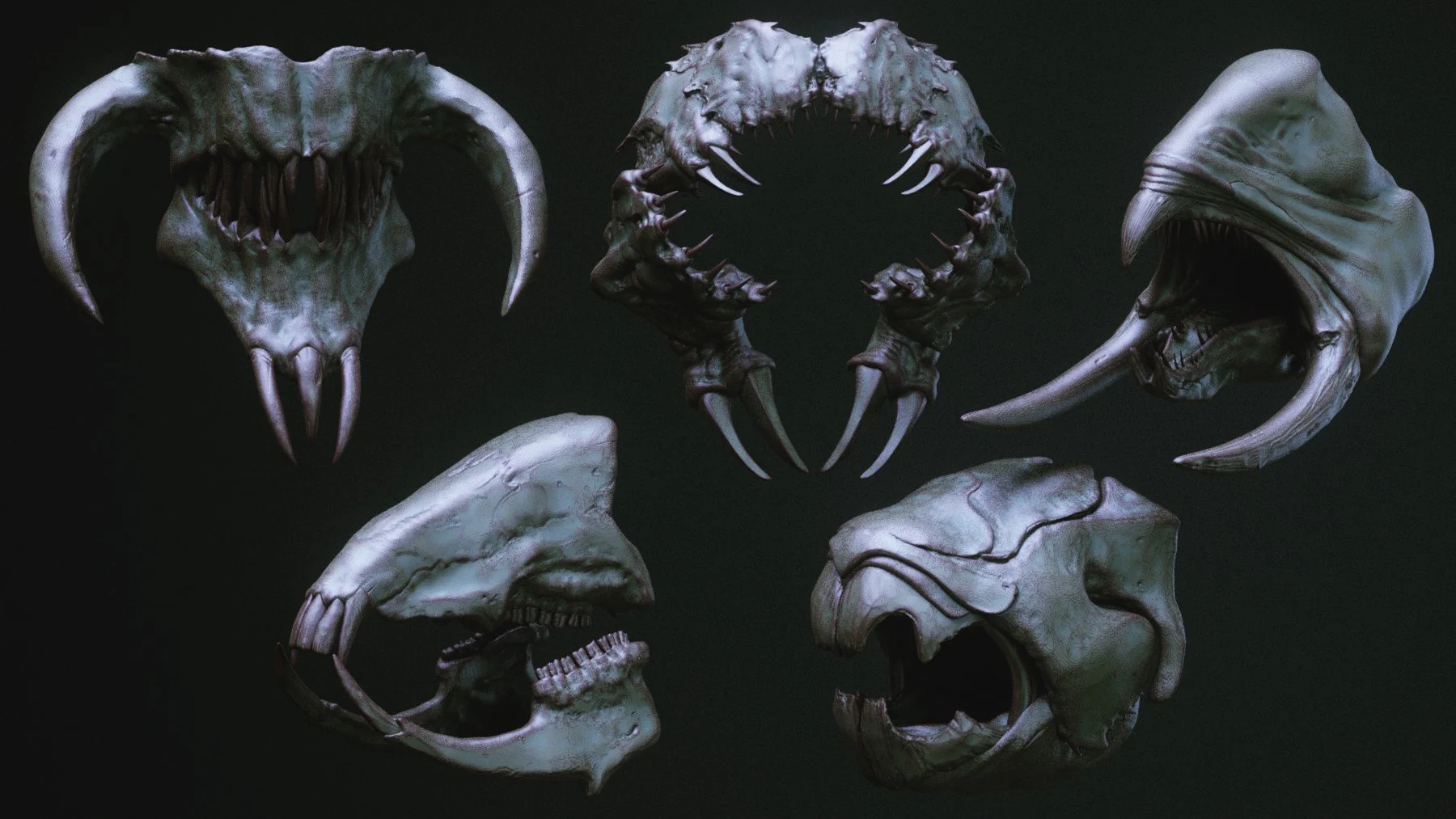
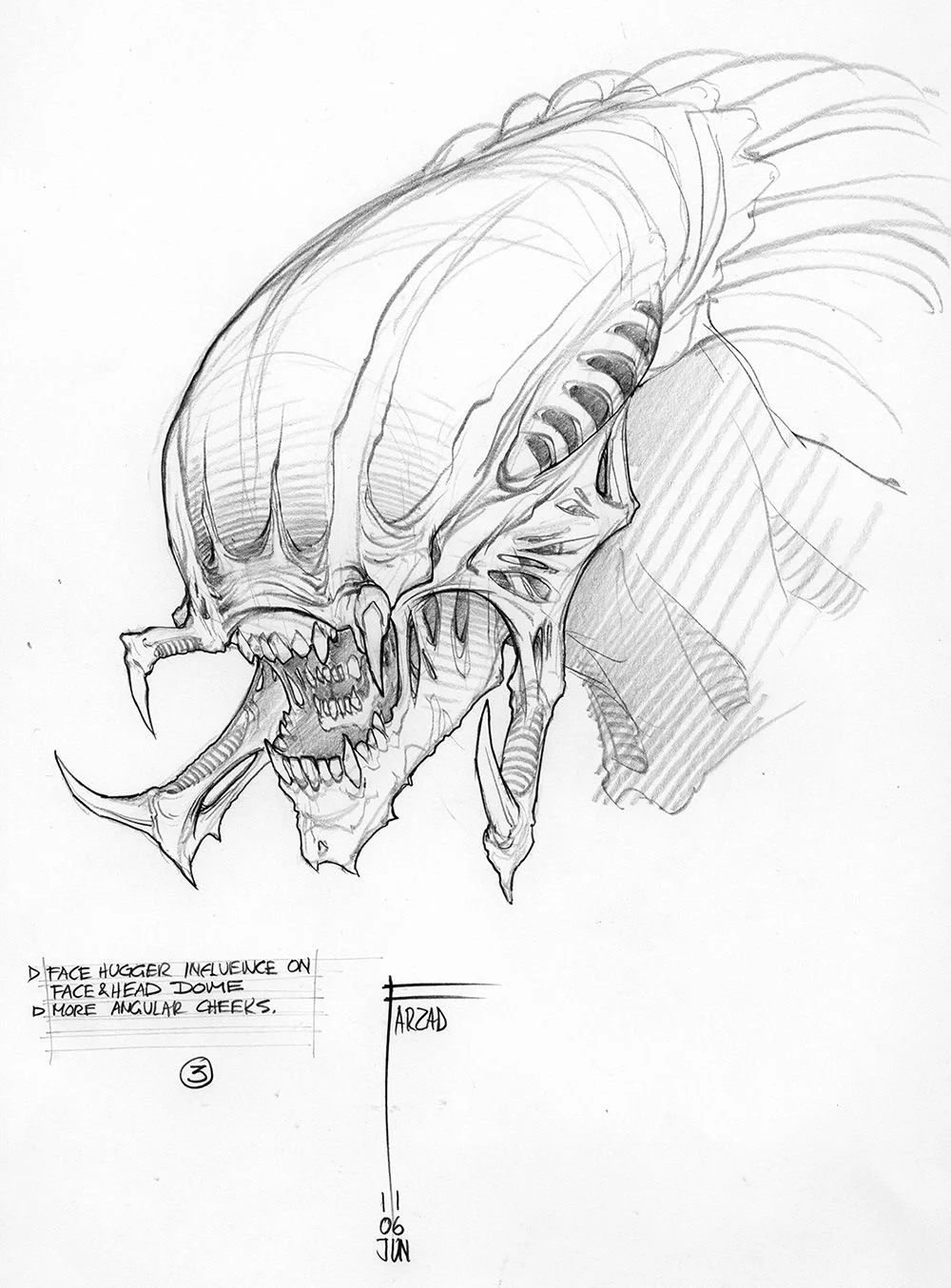
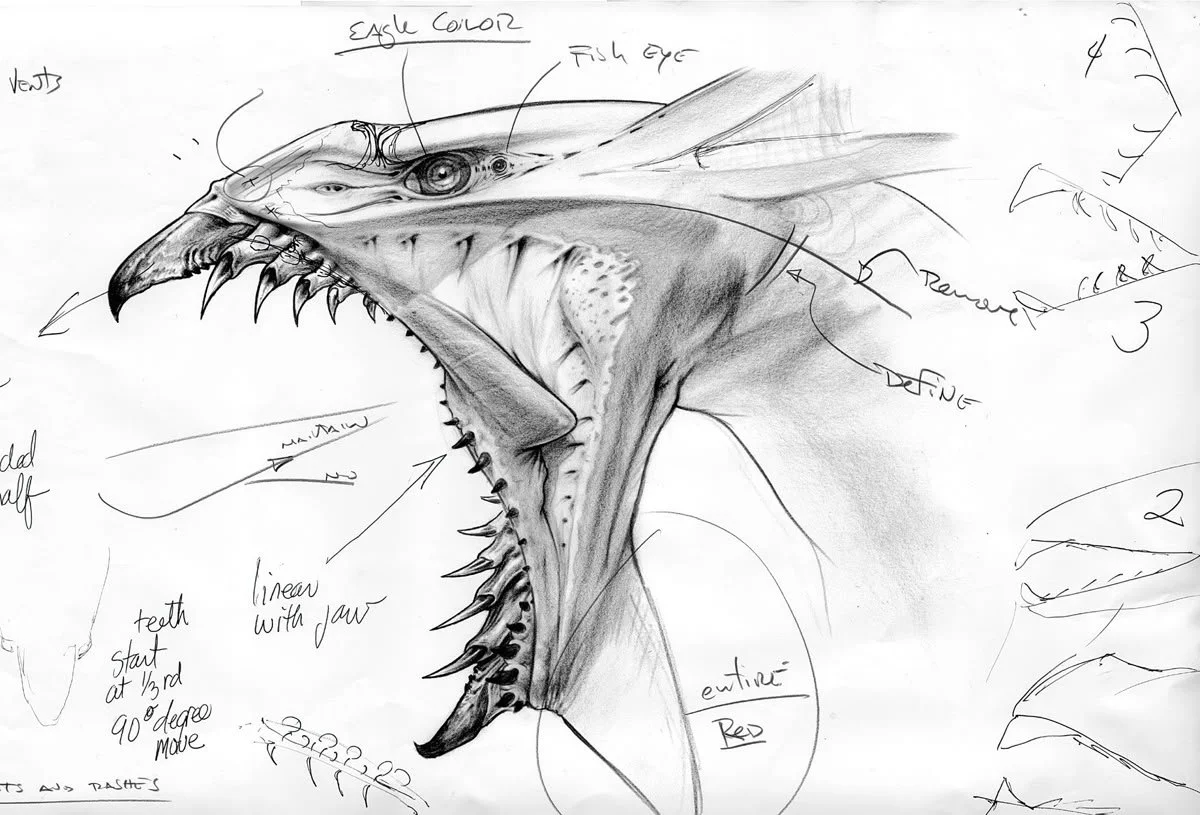
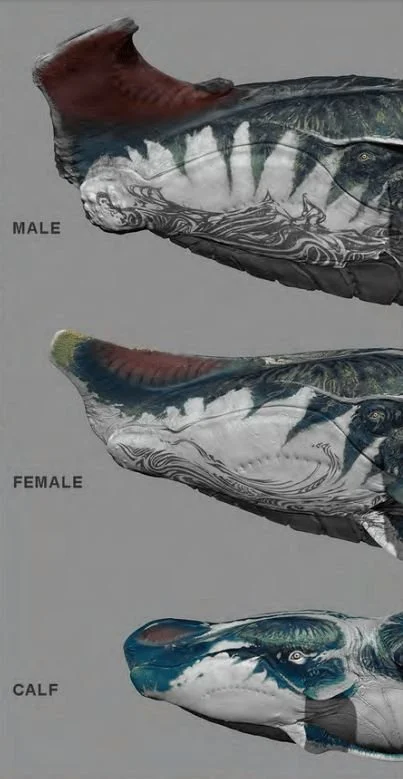
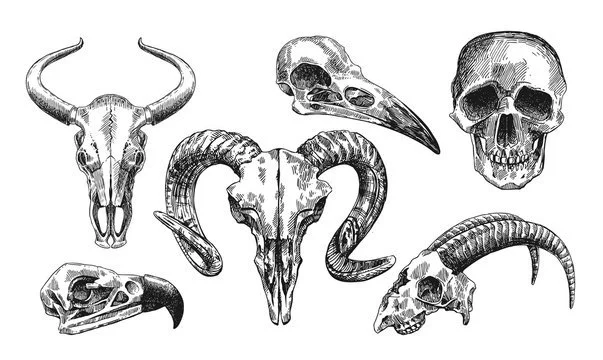
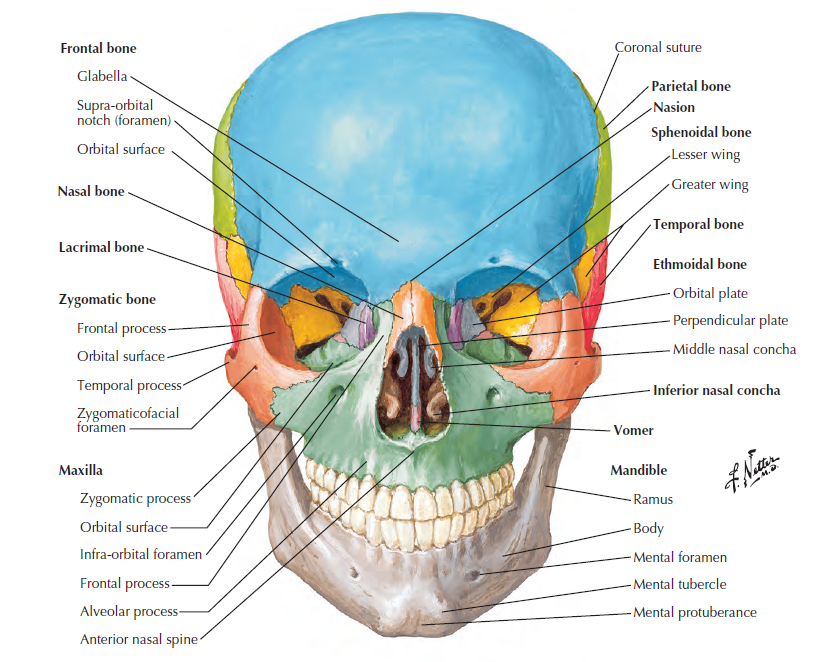
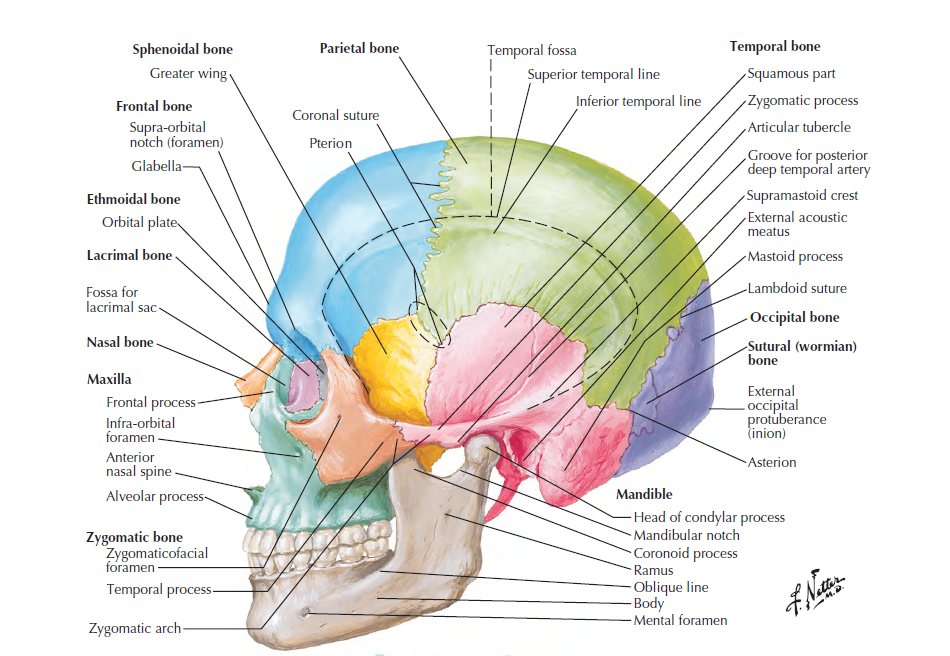
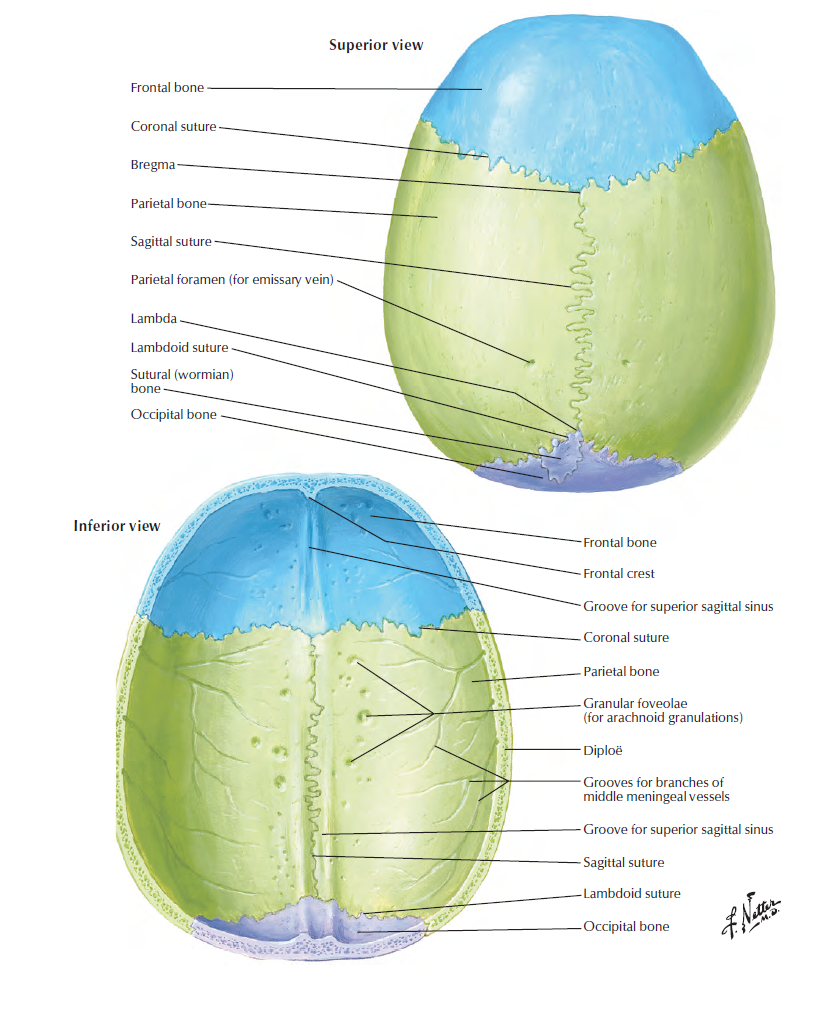
FRANK NETTER ILLUSTRATIONS
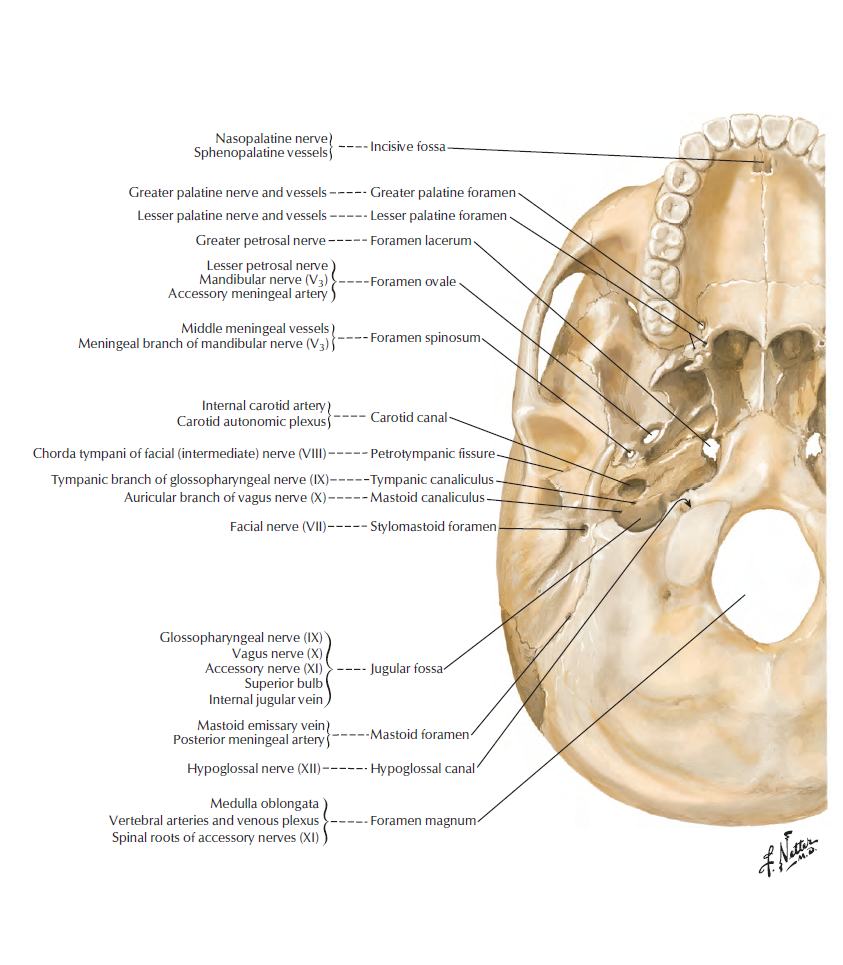
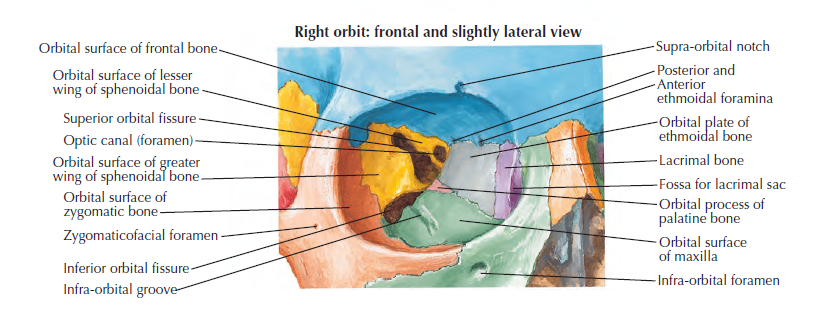
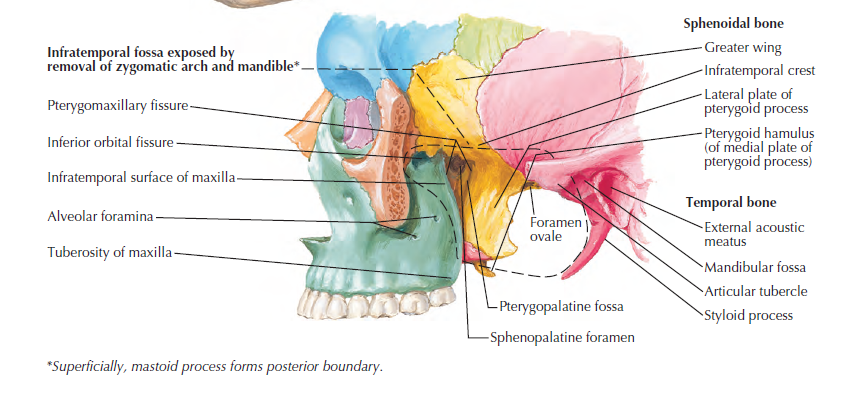
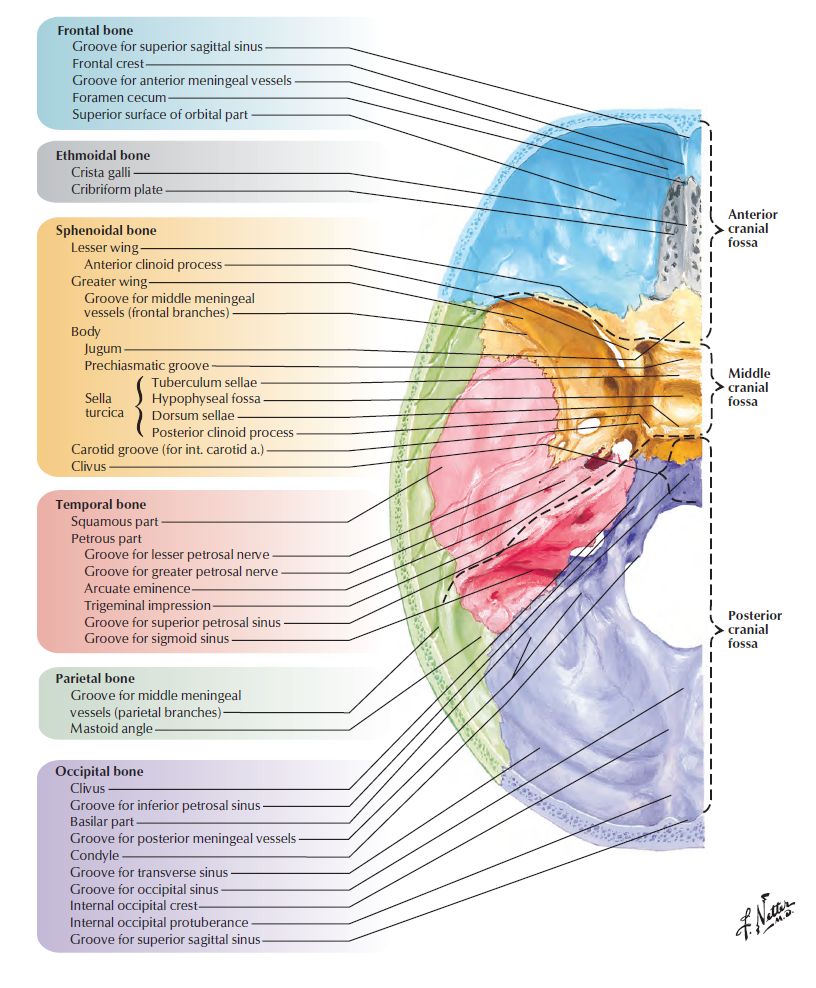
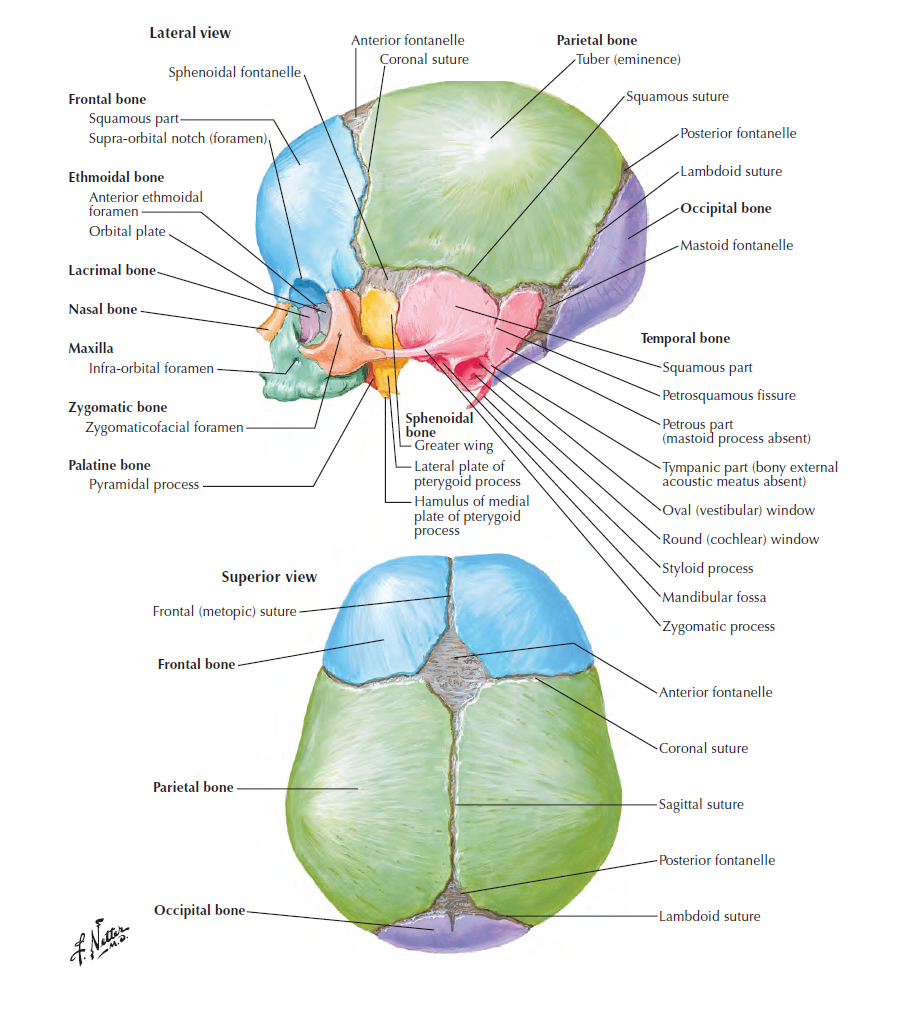
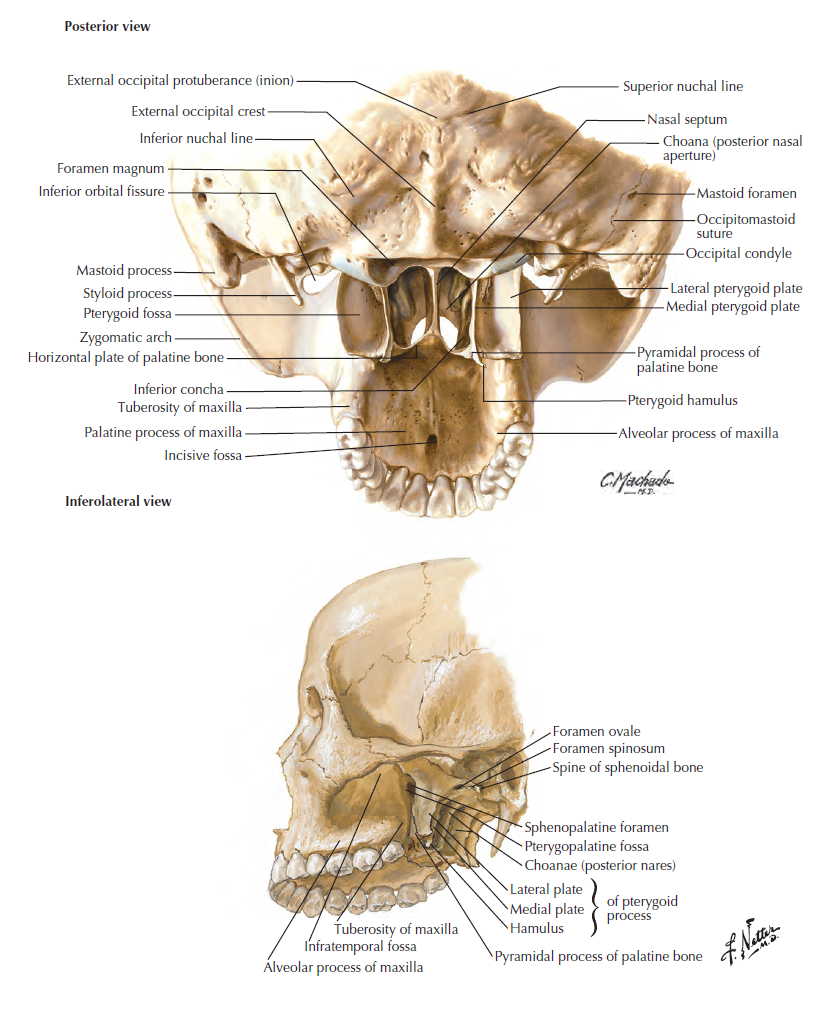
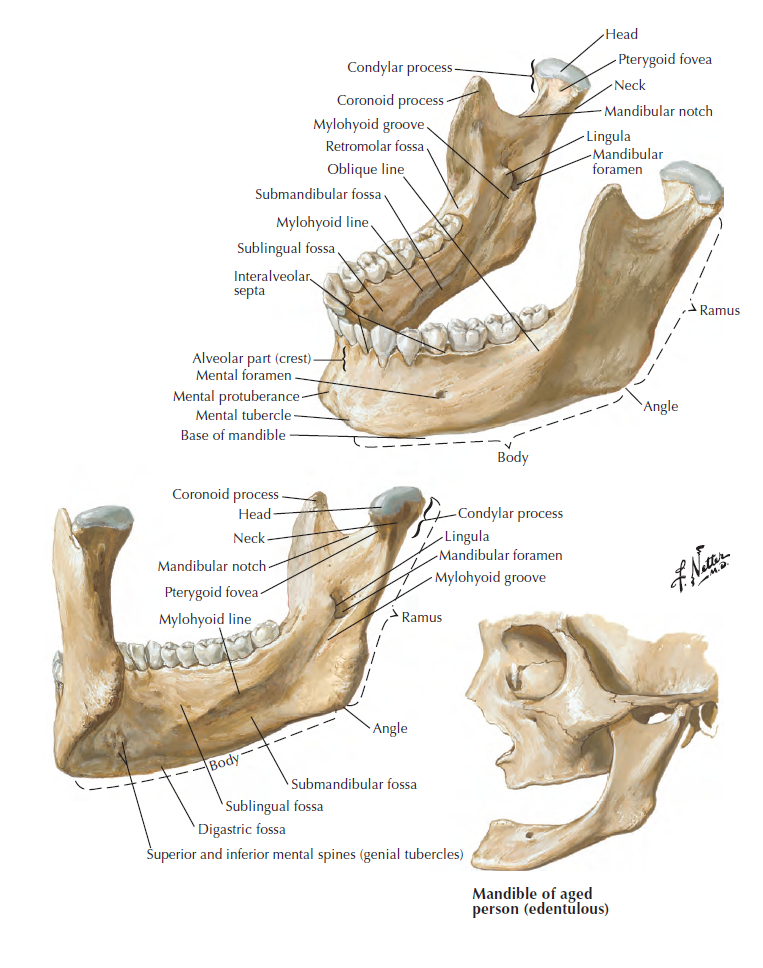
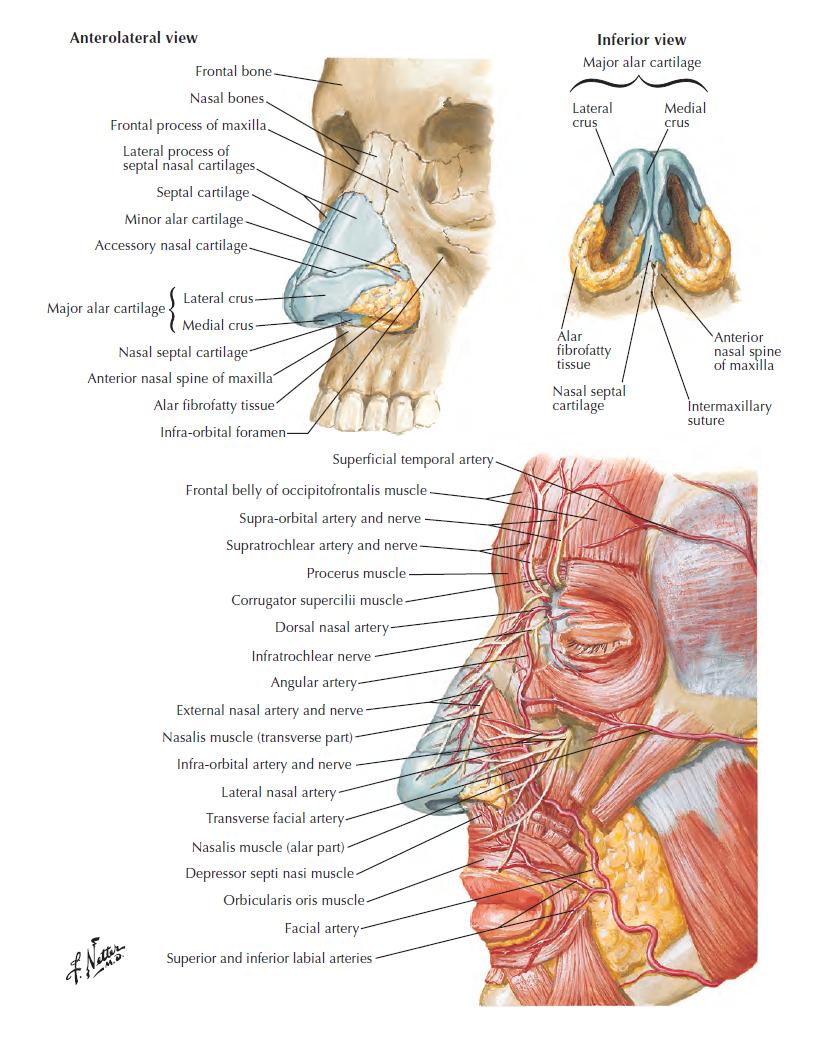
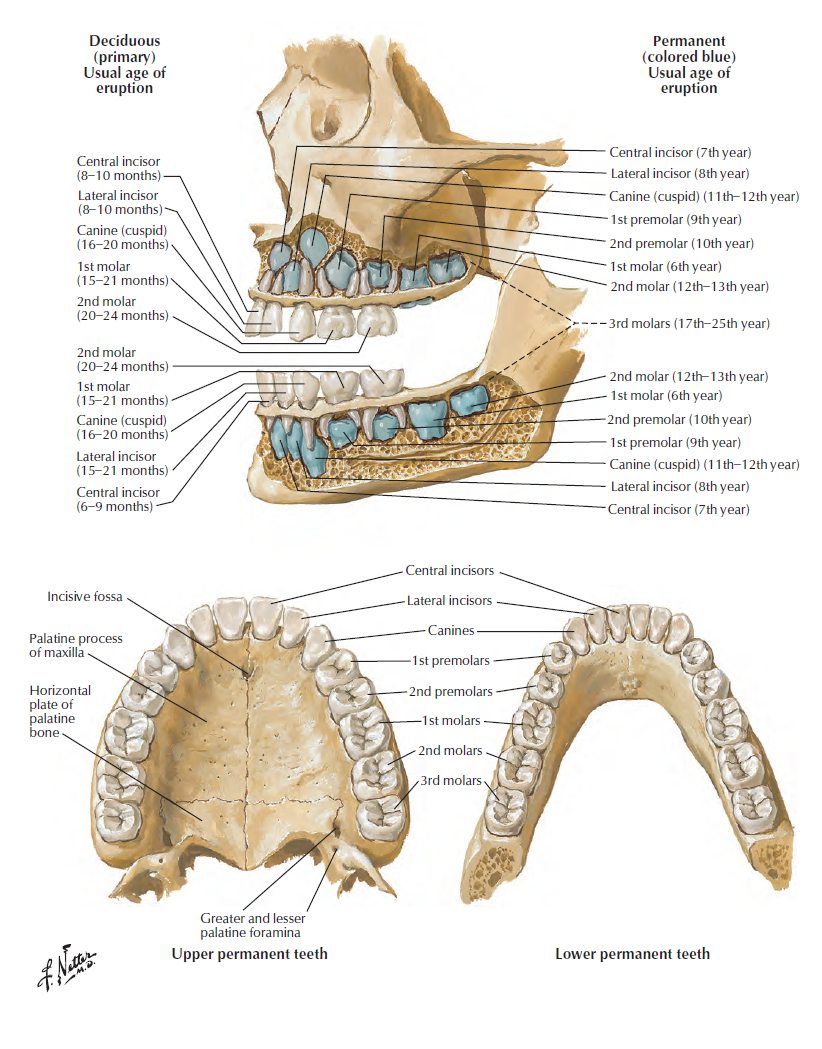
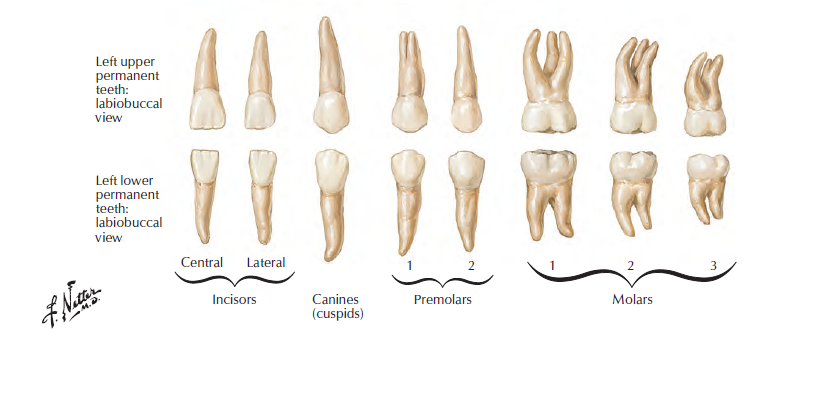
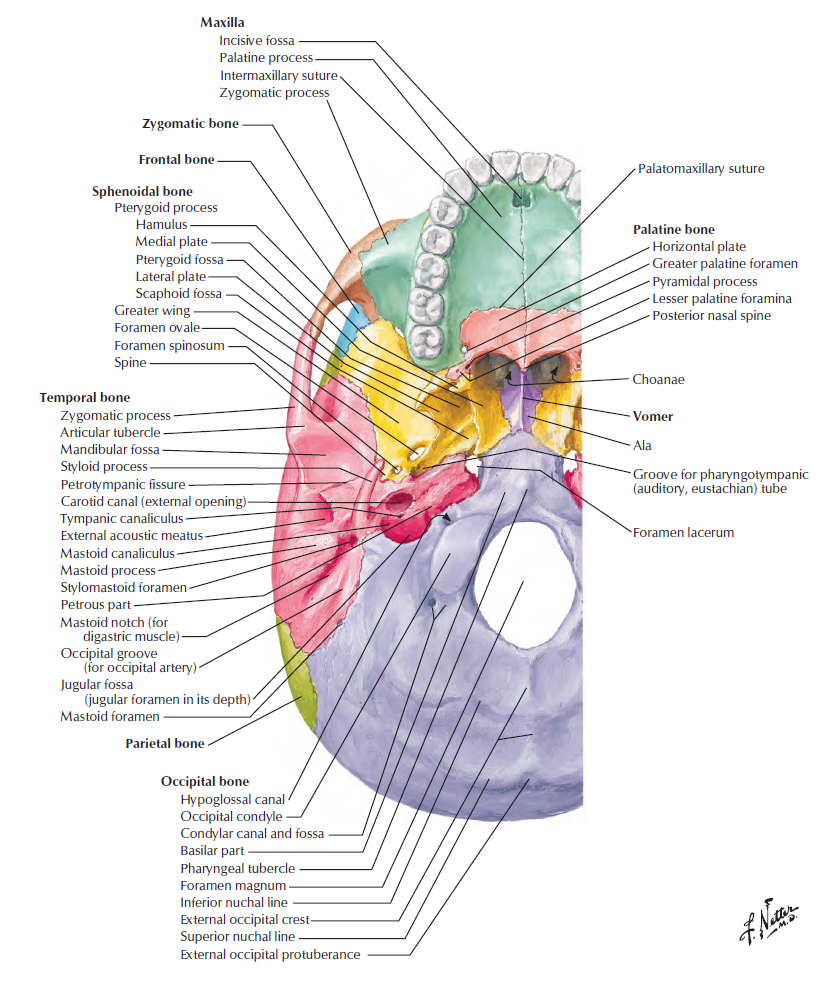
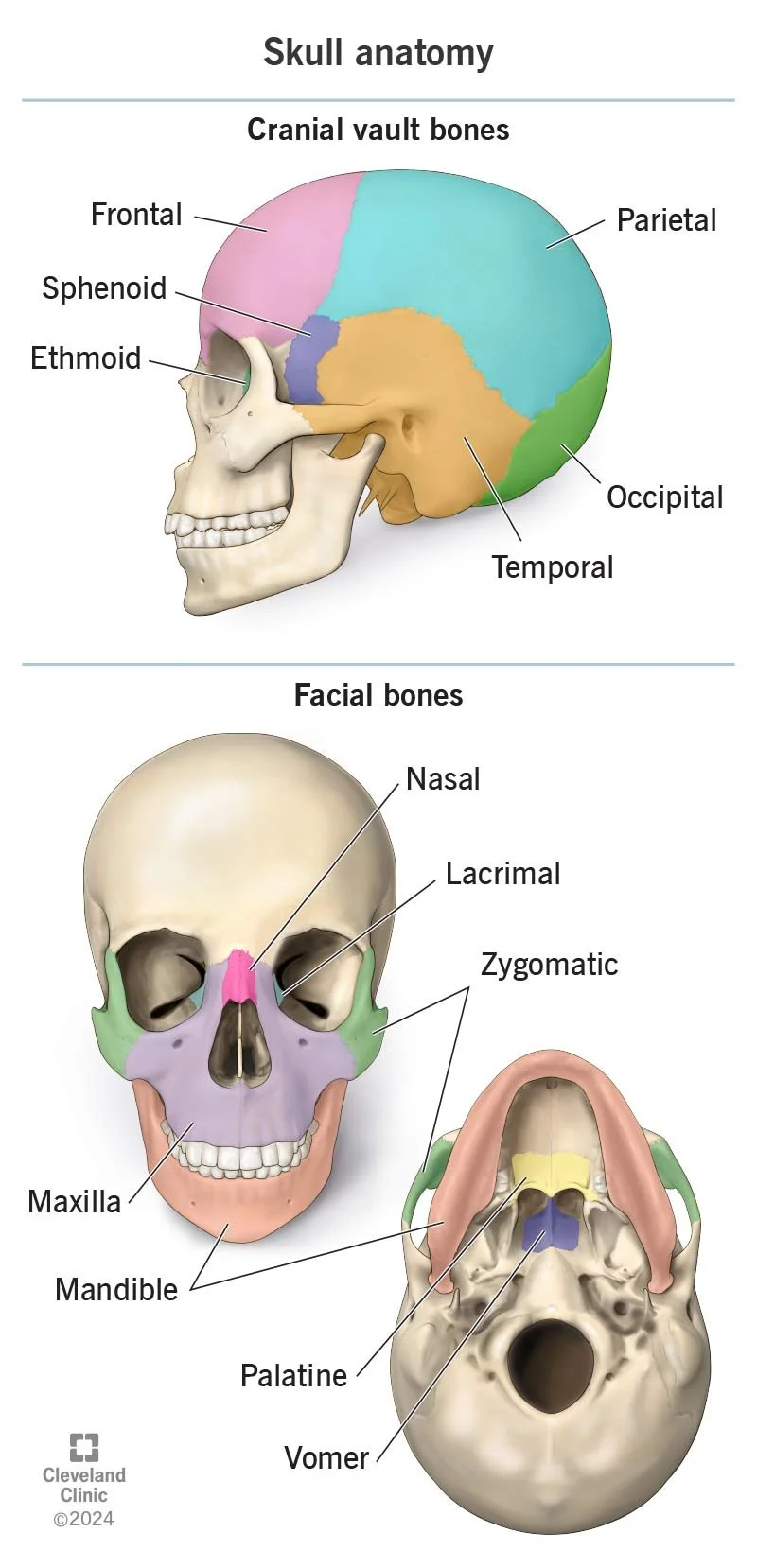
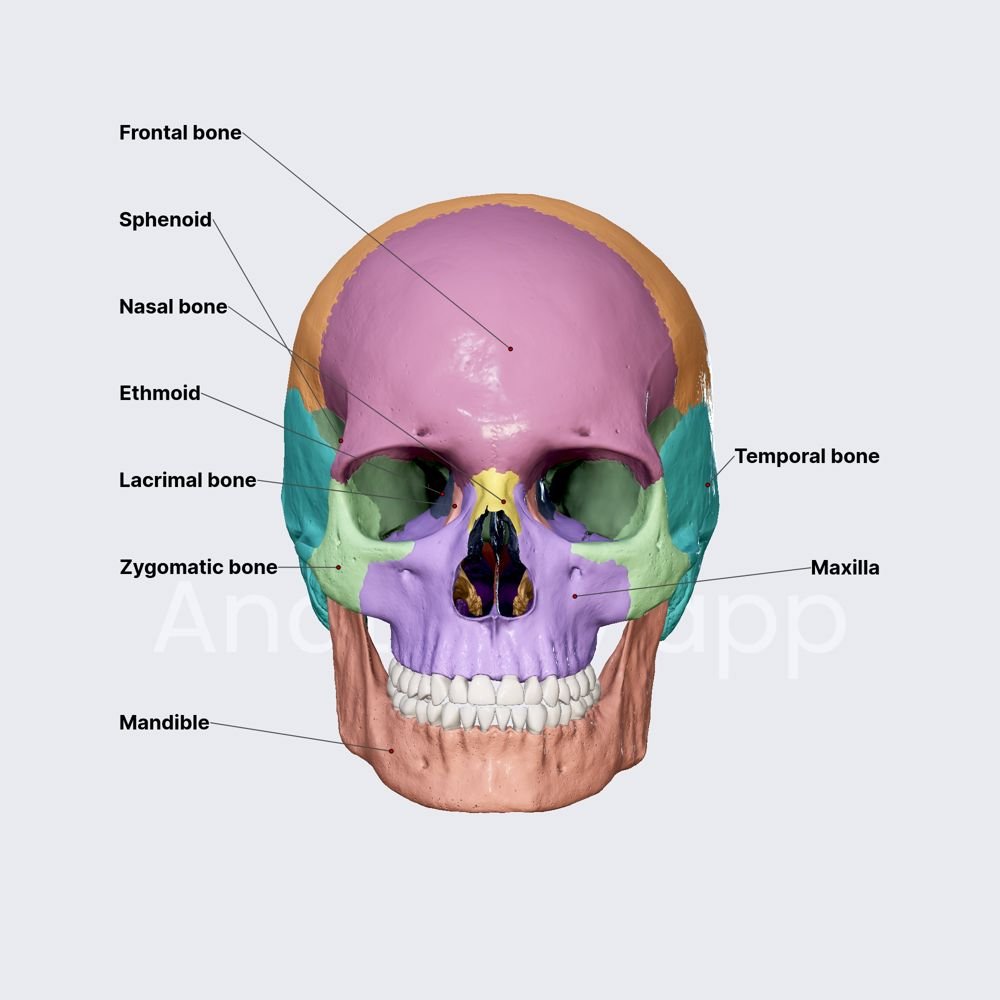
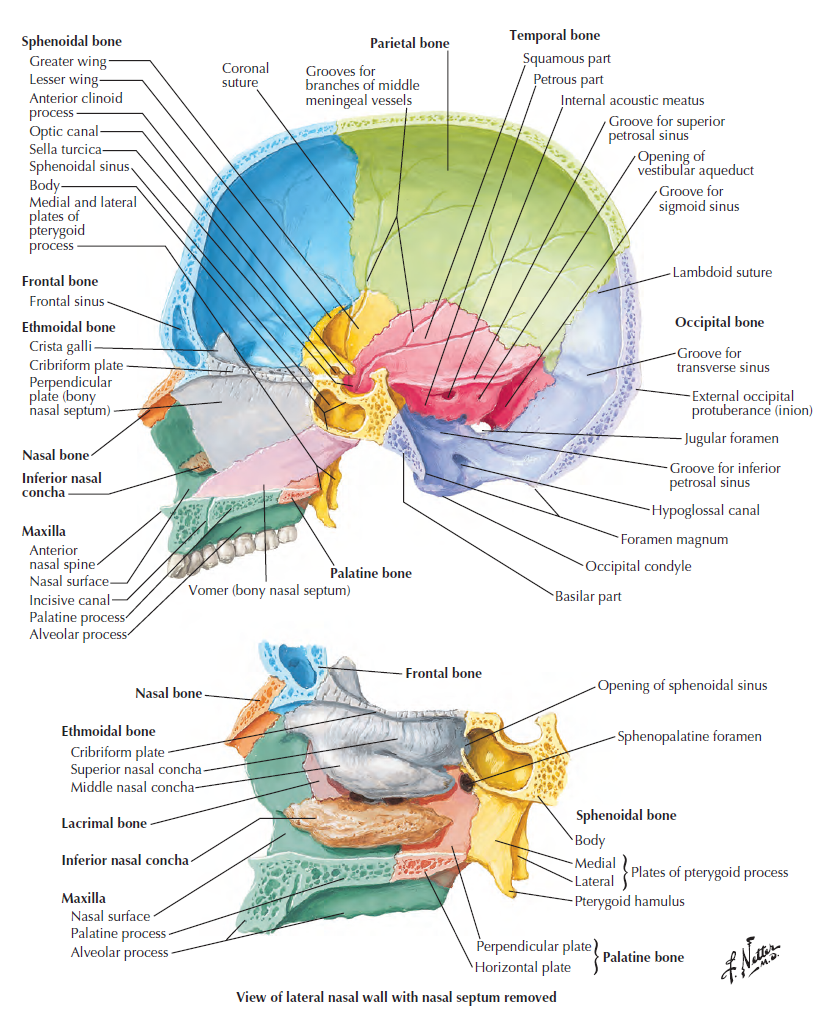
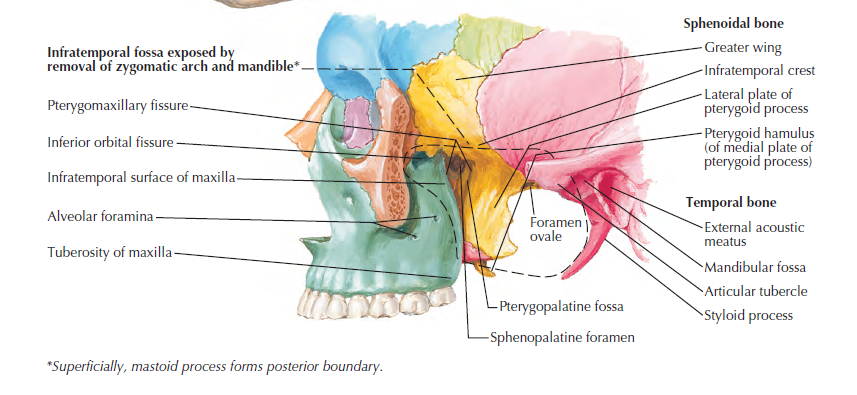
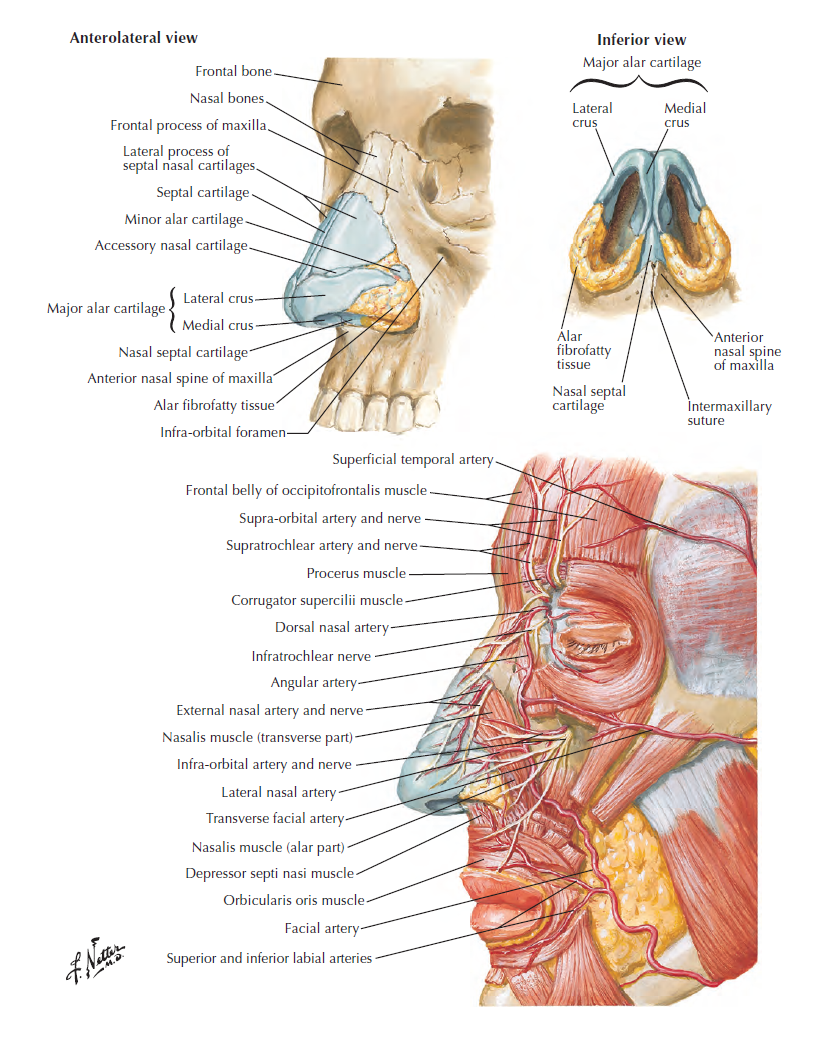
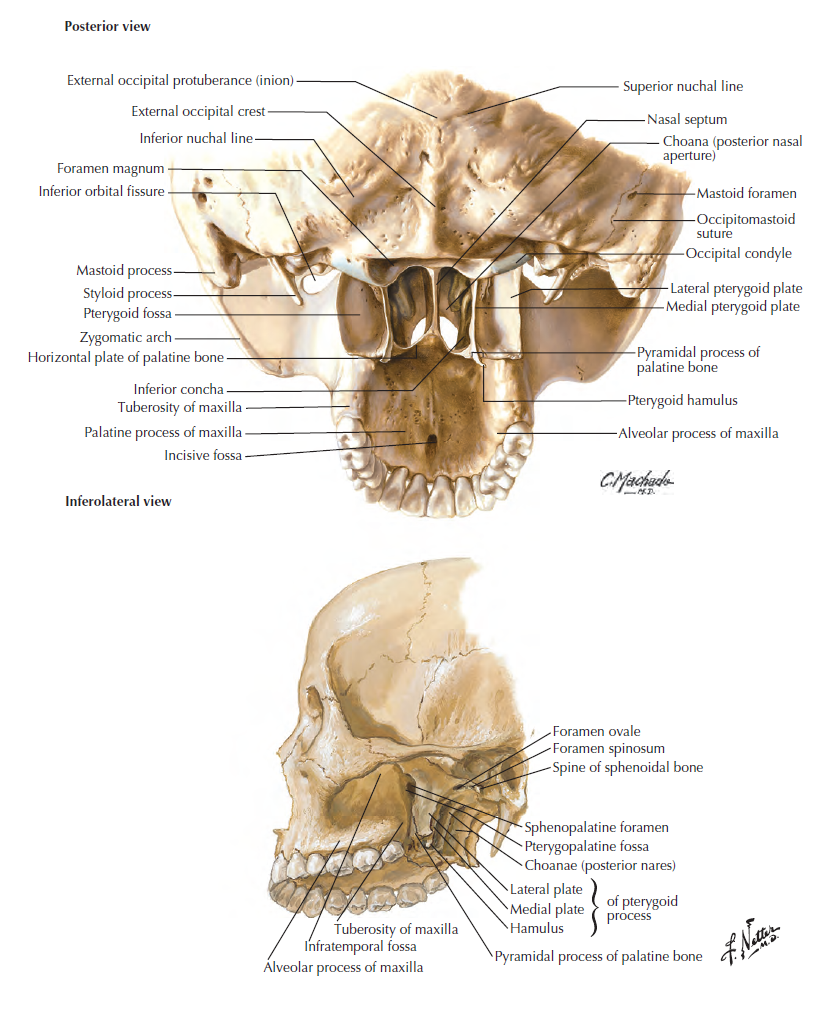
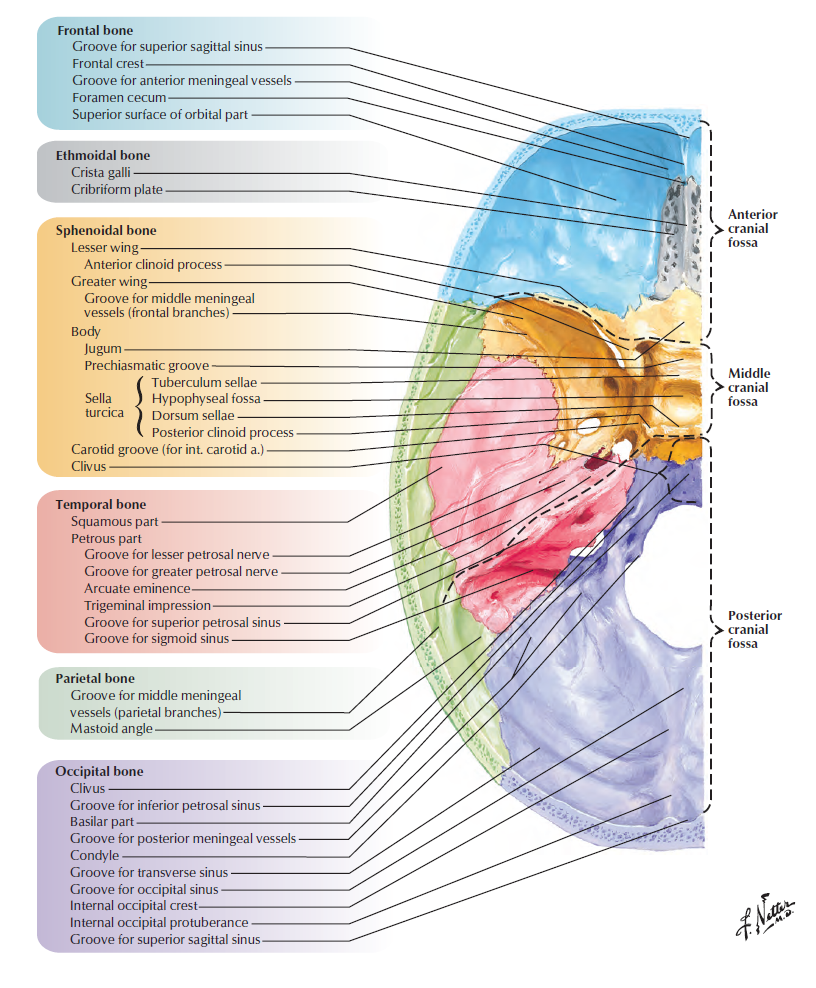
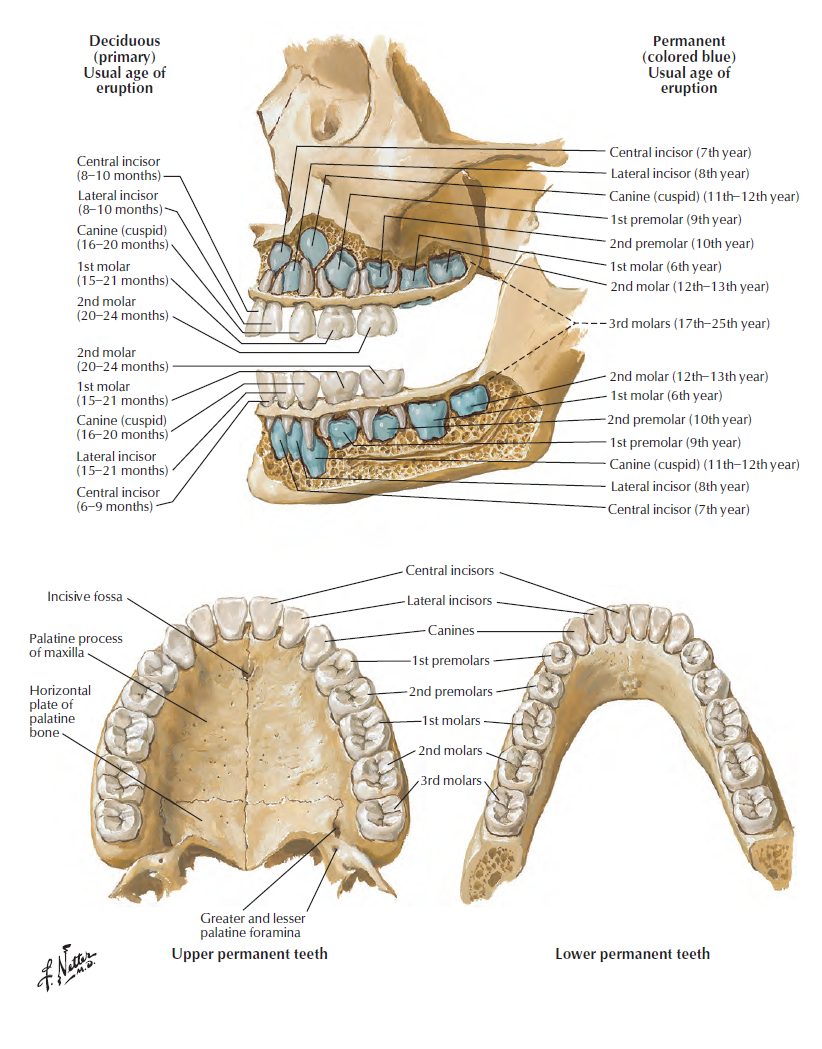
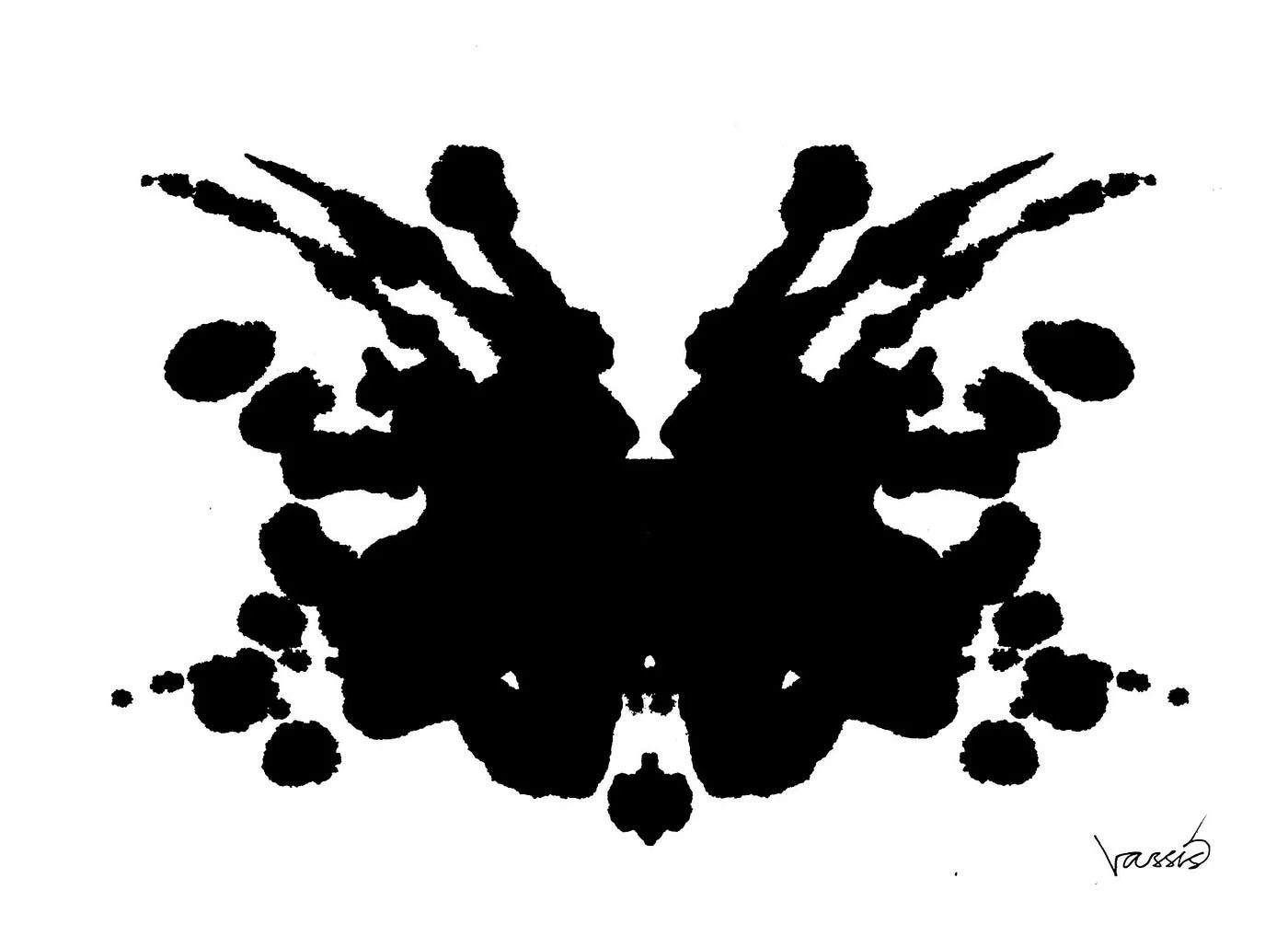
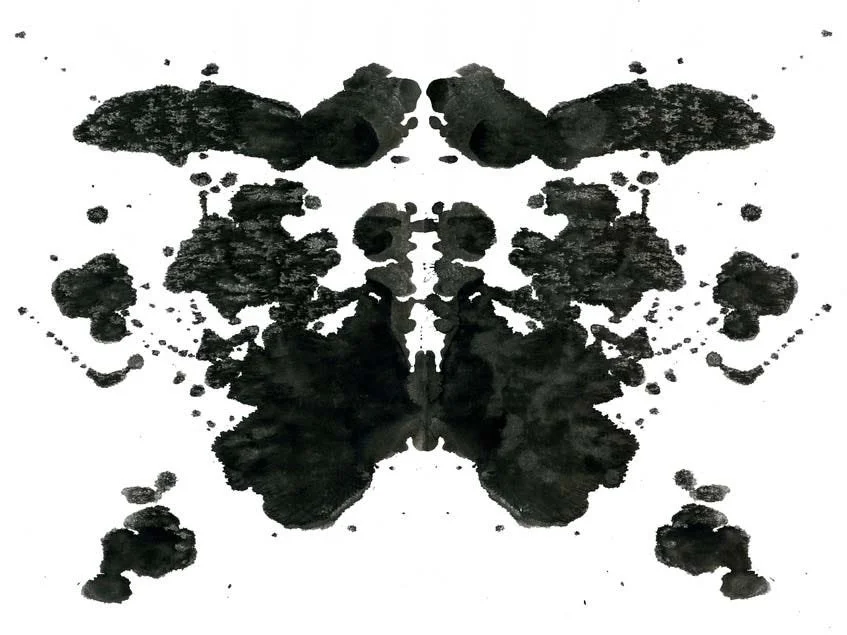
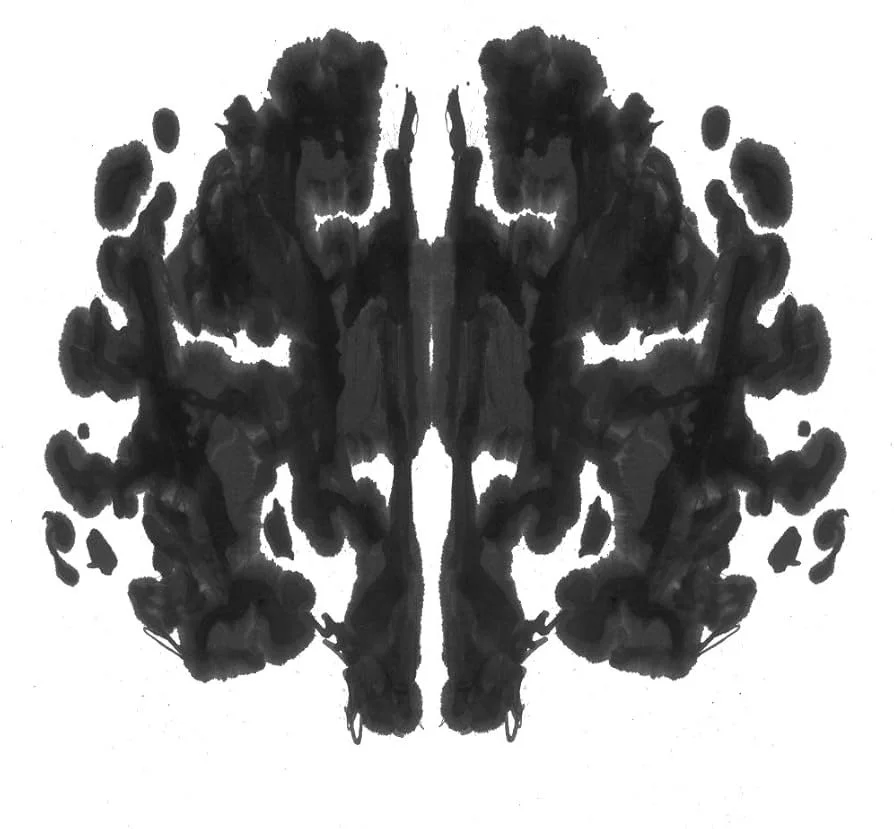
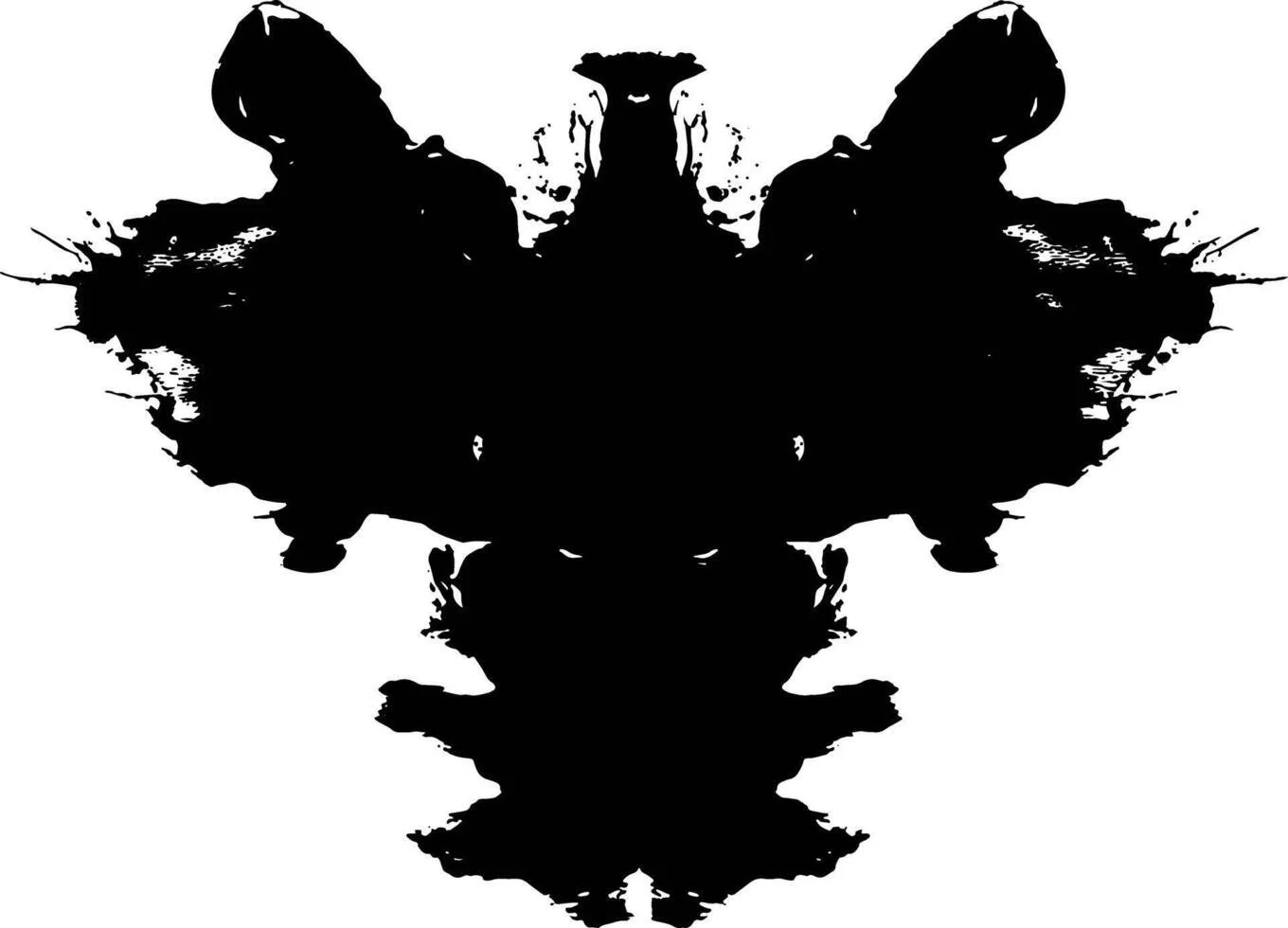
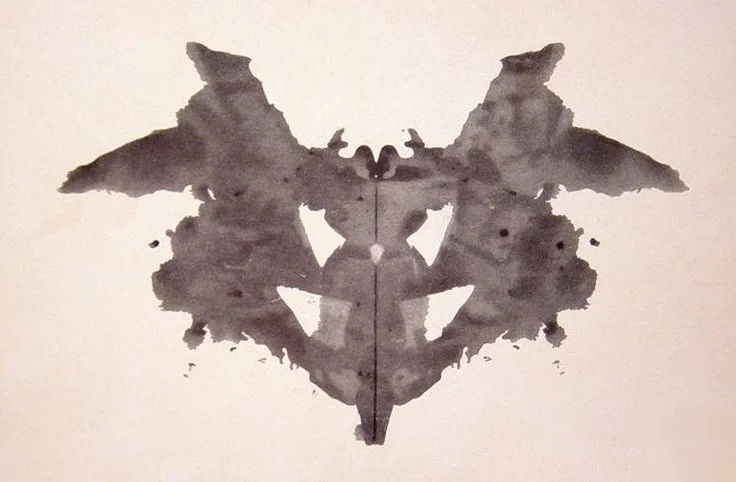
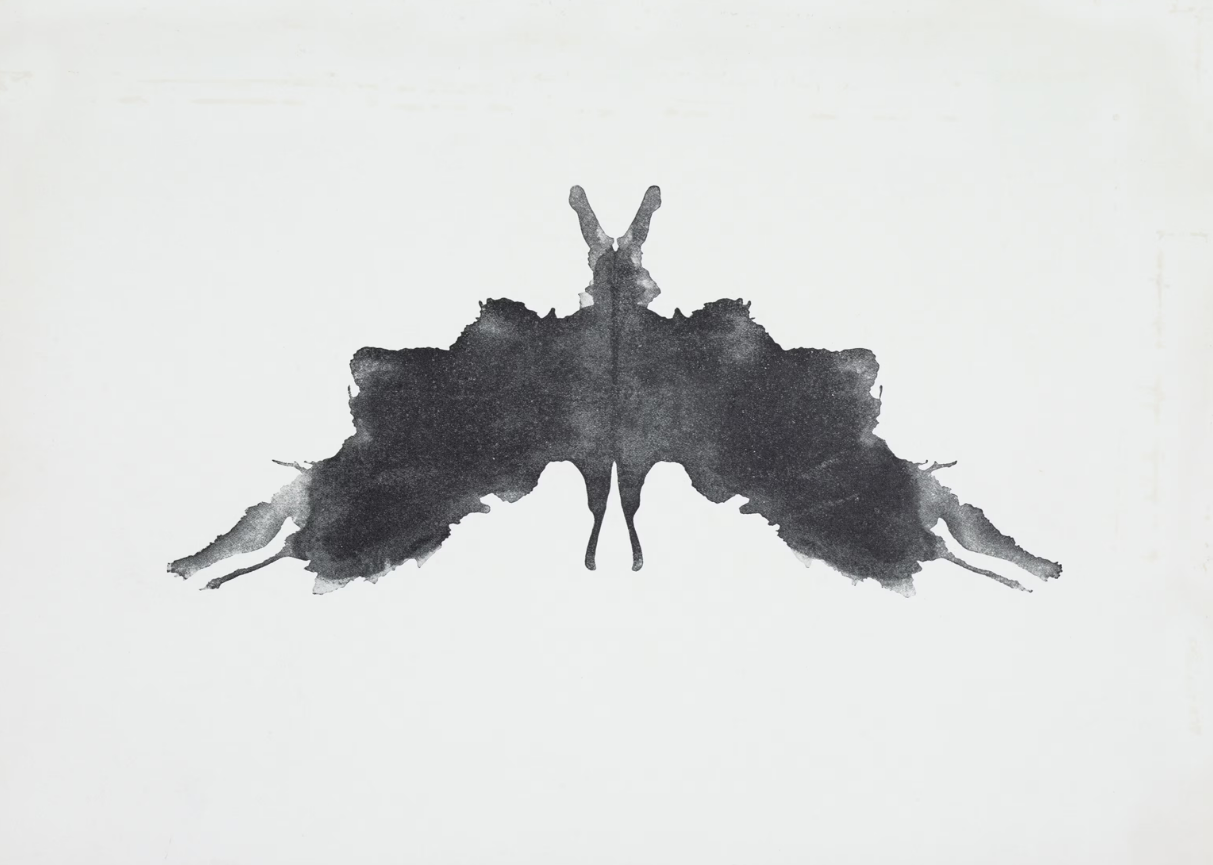
Rorschach Tests
Hermann Rorschach was a Swiss psychiatrist best known for developing the Rorschach inkblot test in the early 20th century. He was interested in how people perceive and interpret ambiguous visual information, believing those interpretations could reveal patterns in personality and thinking.
The Rorschach test involves showing subjects a series of symmetrical inkblots and asking what they see. Rather than focusing on right or wrong answers, Rorschach studied how people described the images, including form, movement, emotion, and detail. His work became influential in psychology, art, and design, especially in understanding projection, imagination, and visual interpretation.
Required Learning:
Navigating the UI and Basic Sculpting,
Primitive vs Polymesh3D
Dynamesh
Subtools
Sculpting Brushes
Gizmo
Knife
Slice
Trim
Clip
Masking and Selections
Dynamesh Subtraction
Orthographics in PS
Image Grids in ZBrush
Blocking out the Form
Curve Bridge
Backface Mask
Mirroring
Modify Topology
IMM Brush Basics
Deformation Unify
Sculpting Refined Form
AccuCurve
Pinch
Adjust Last
Replay Last
IMM Brush Creation
Depth
Tool and Brush Masking
Polygroups
Image Plane
See-Through
Turntables


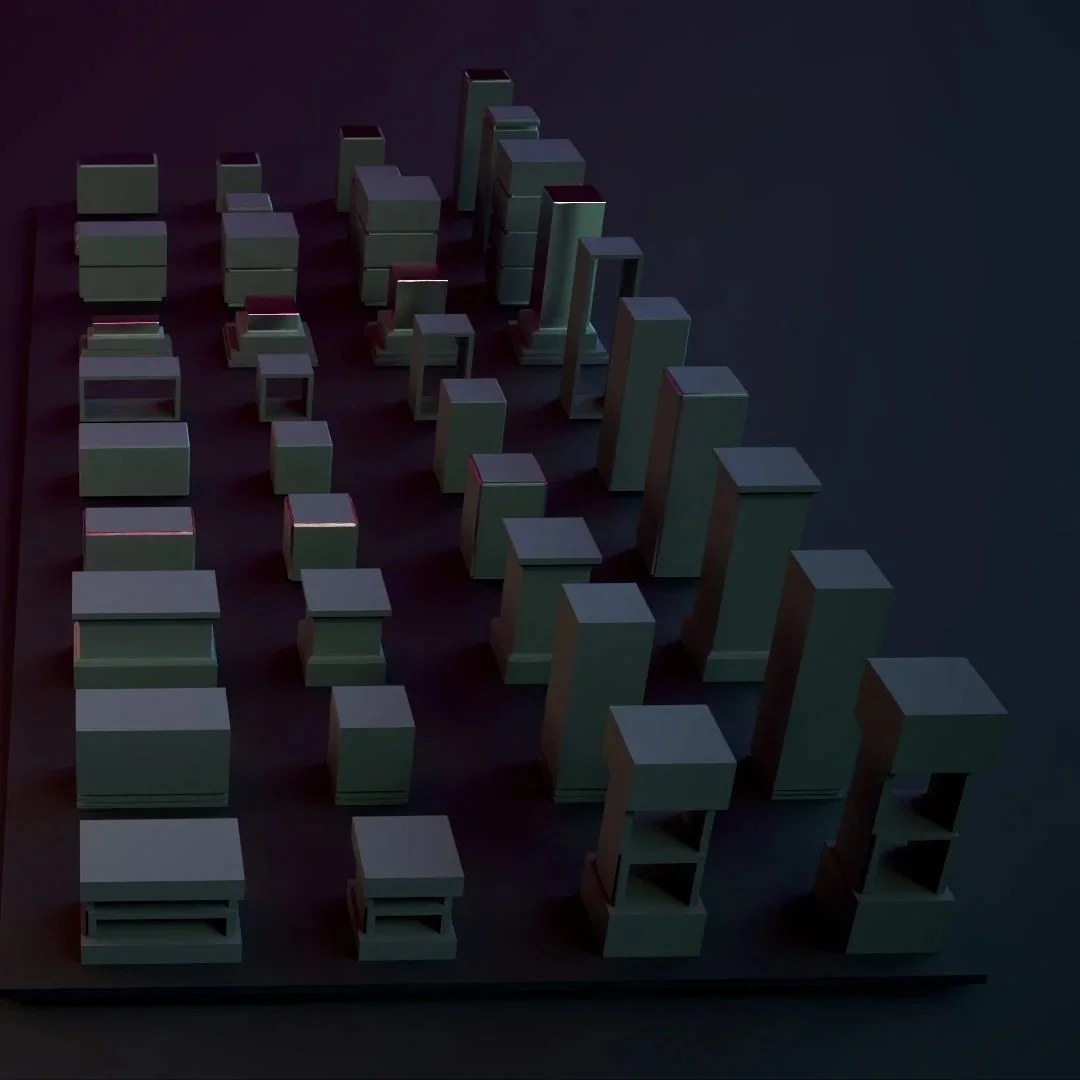
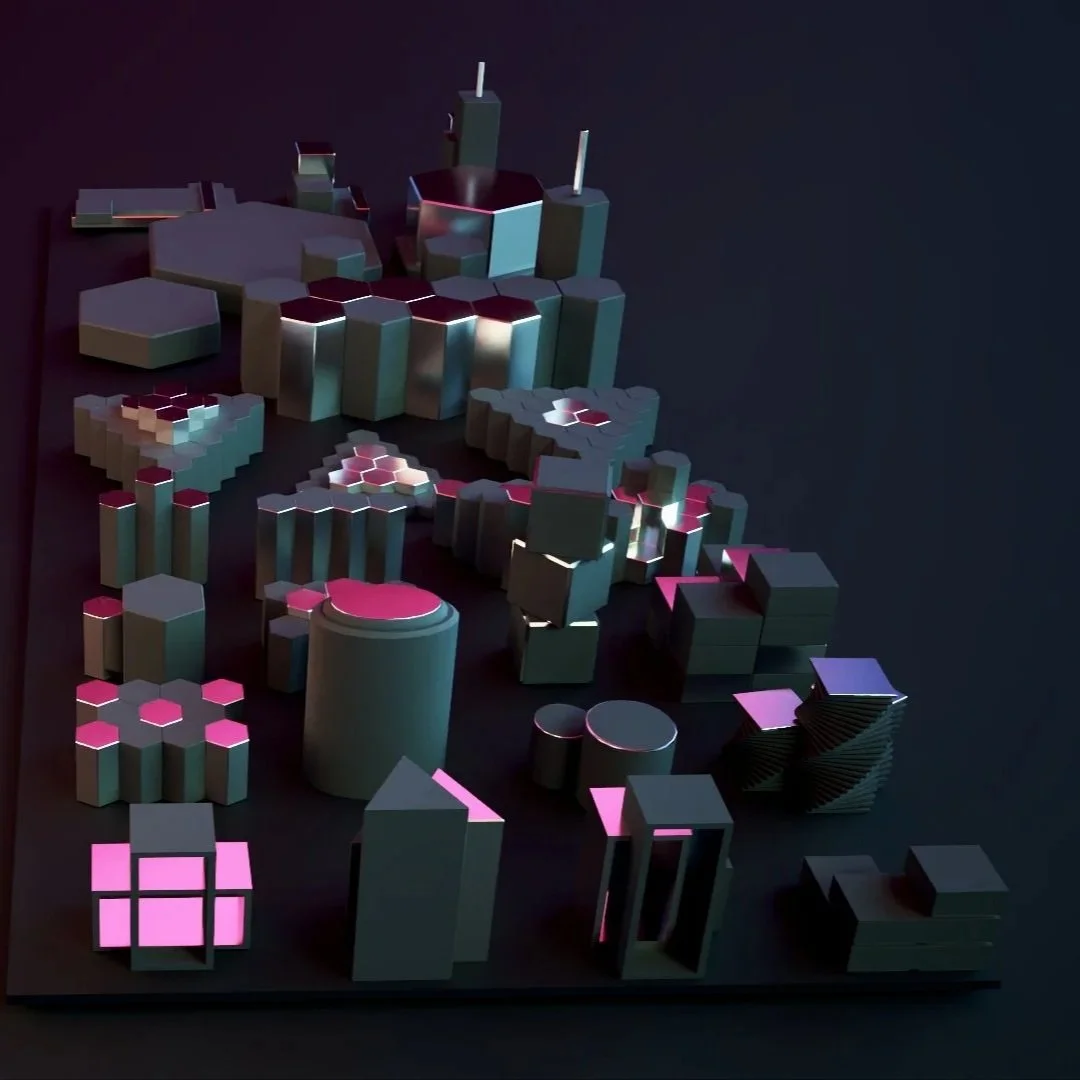

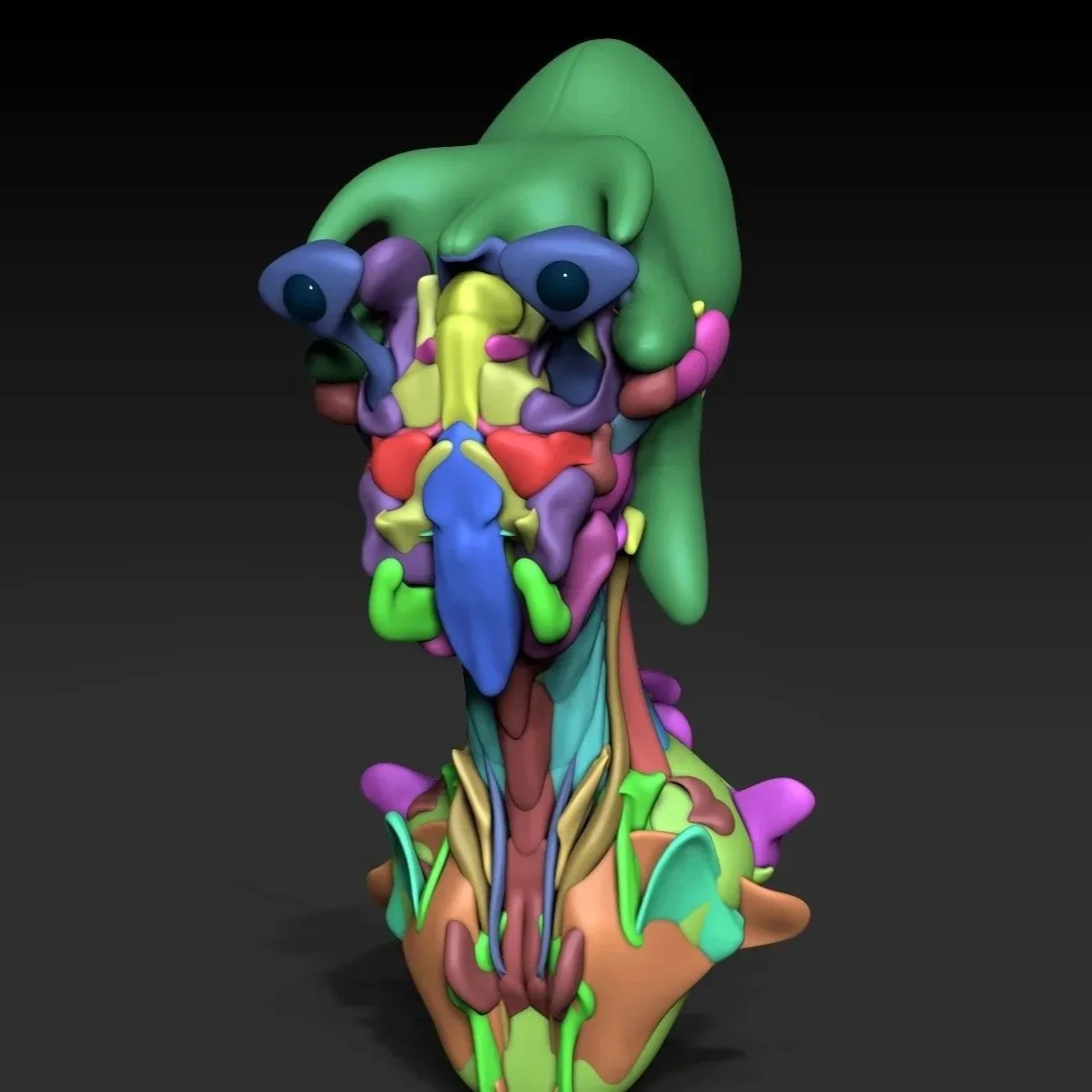
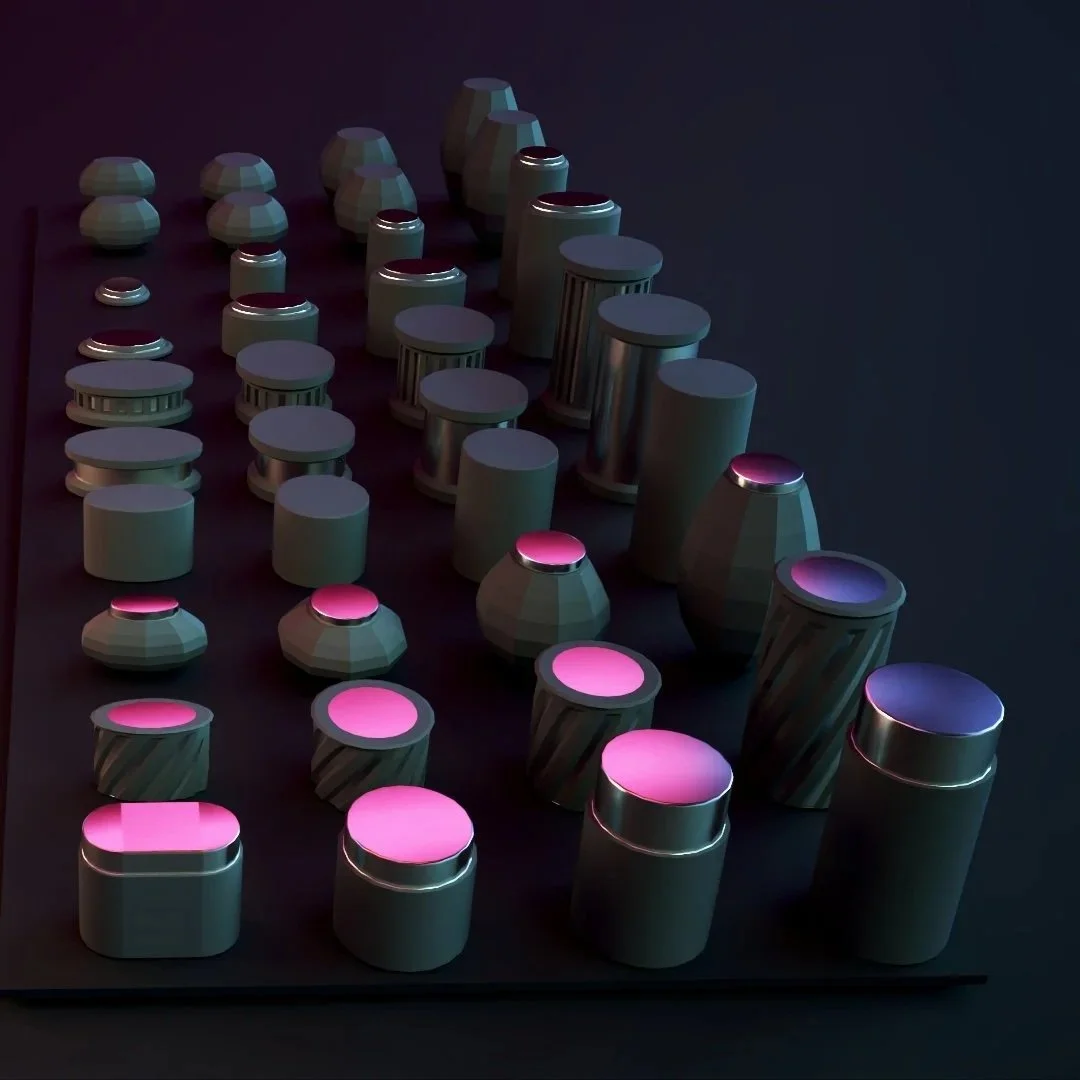
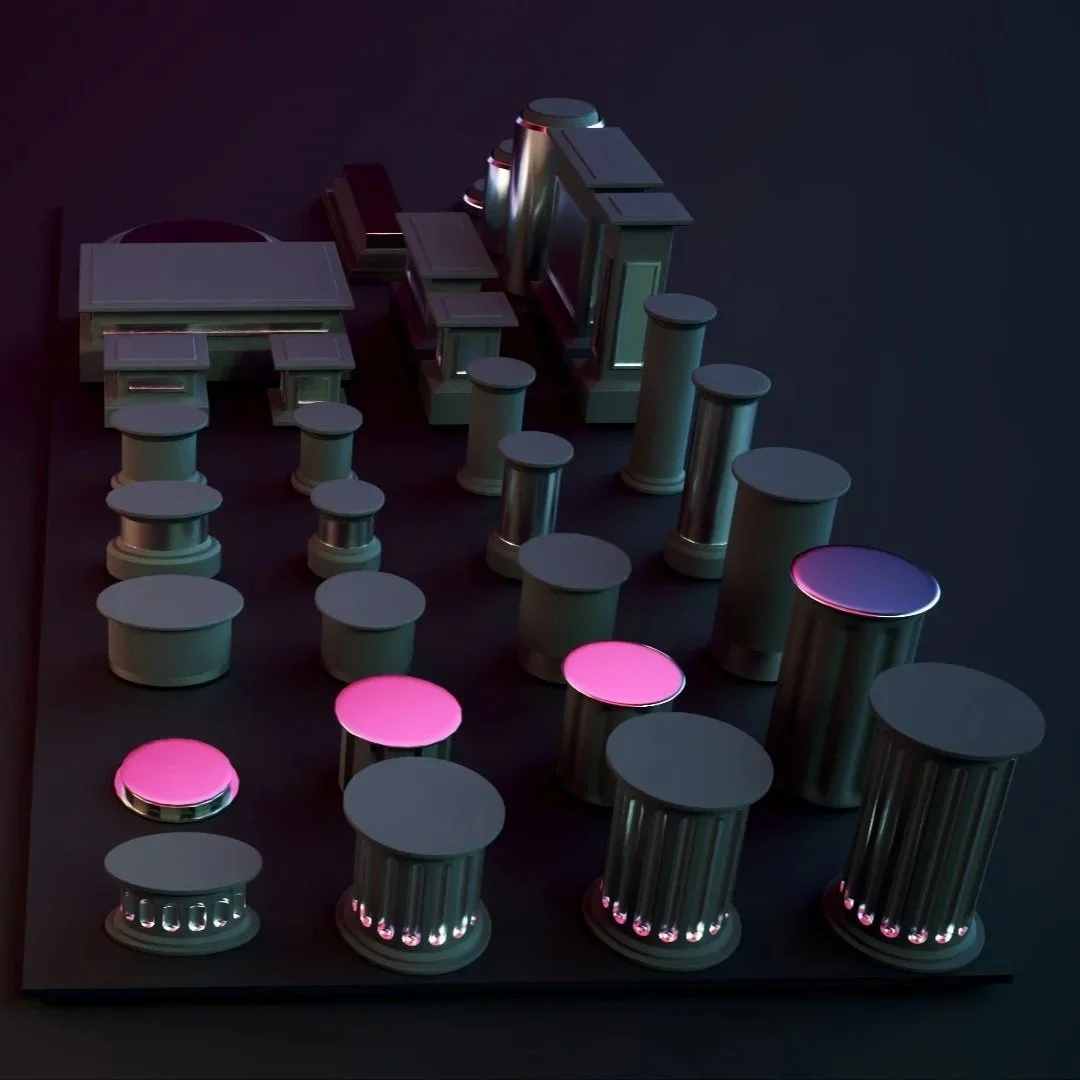
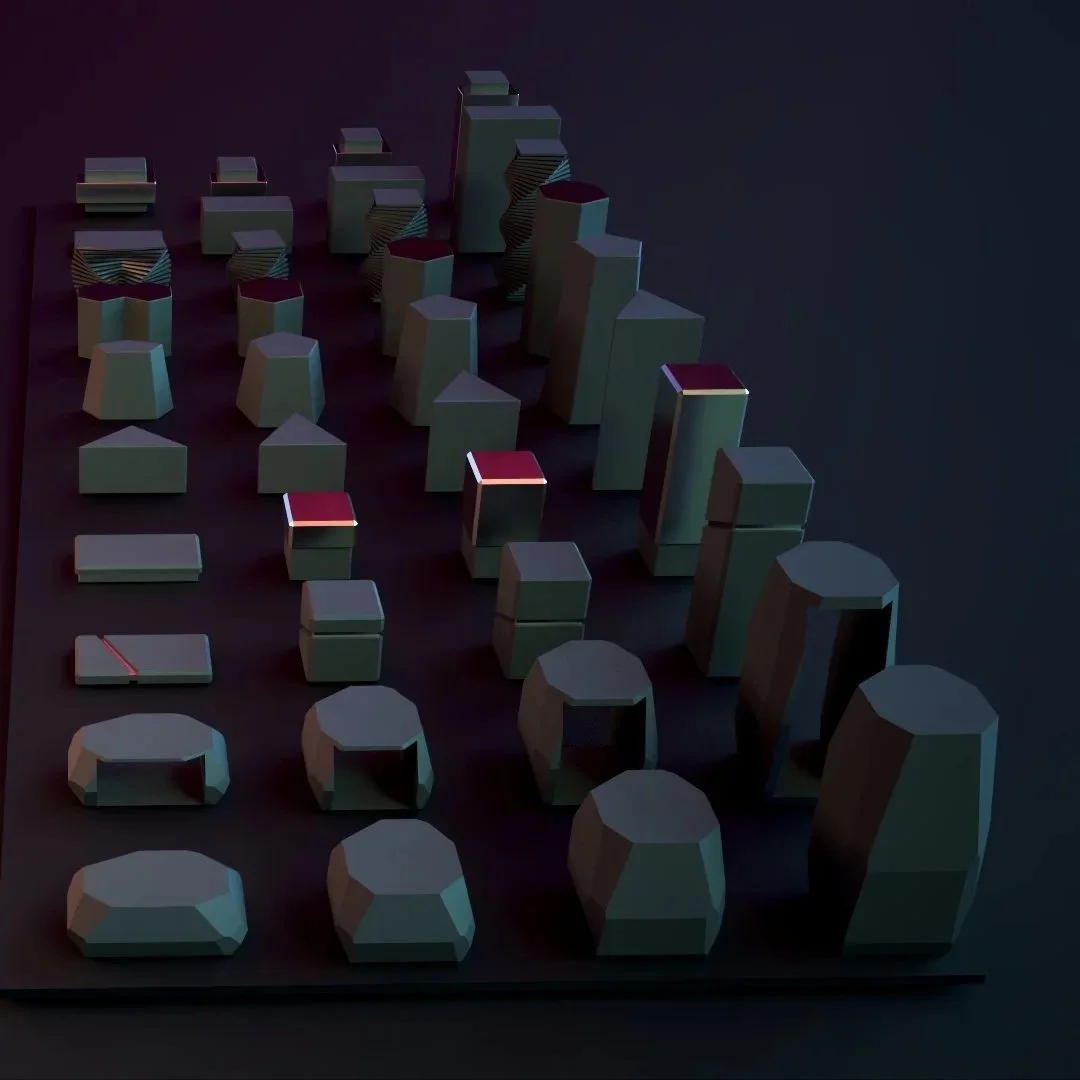
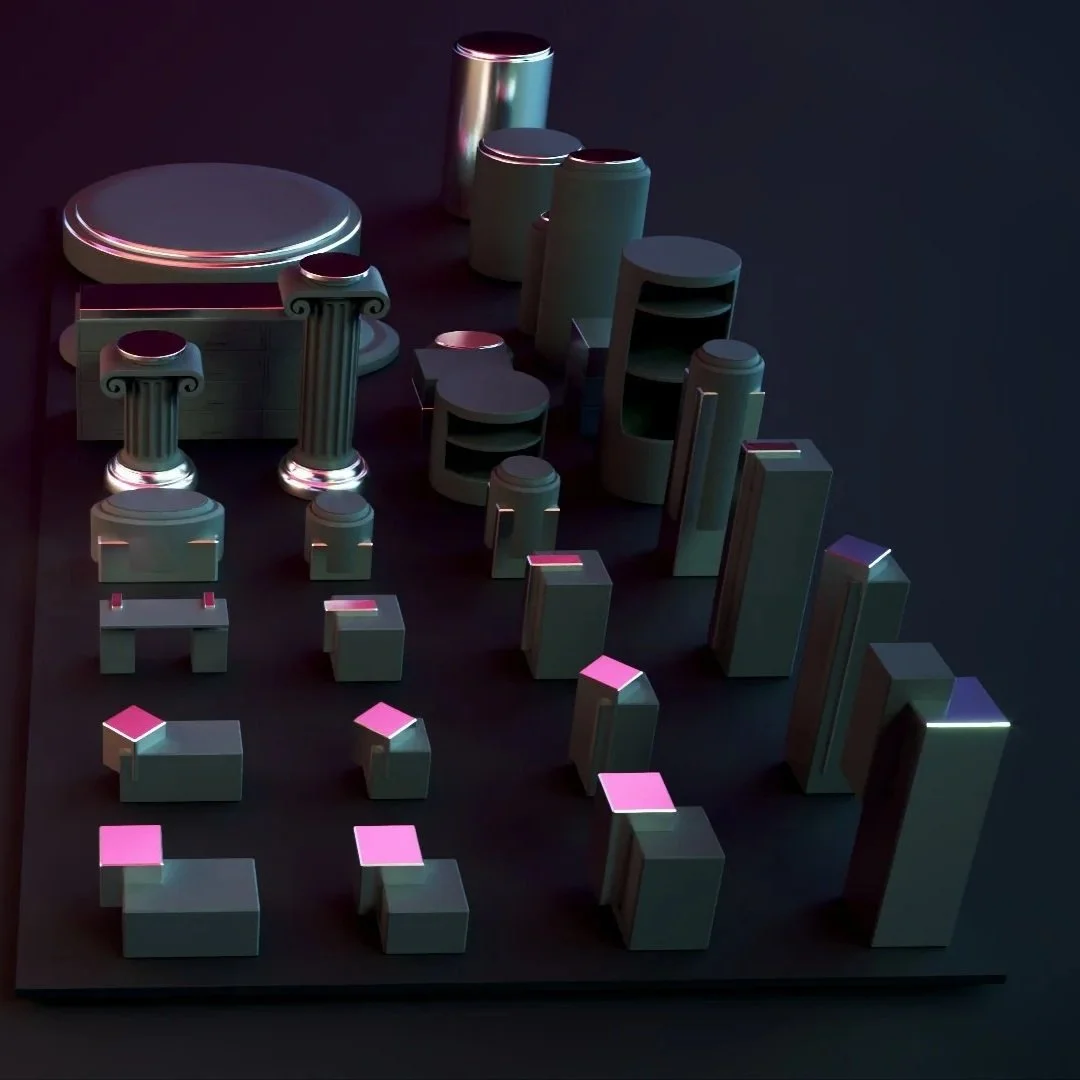
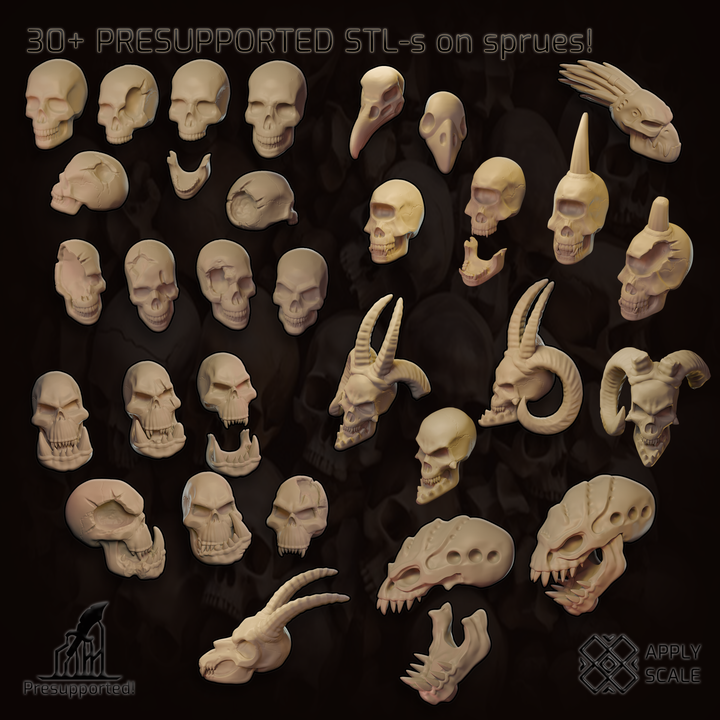
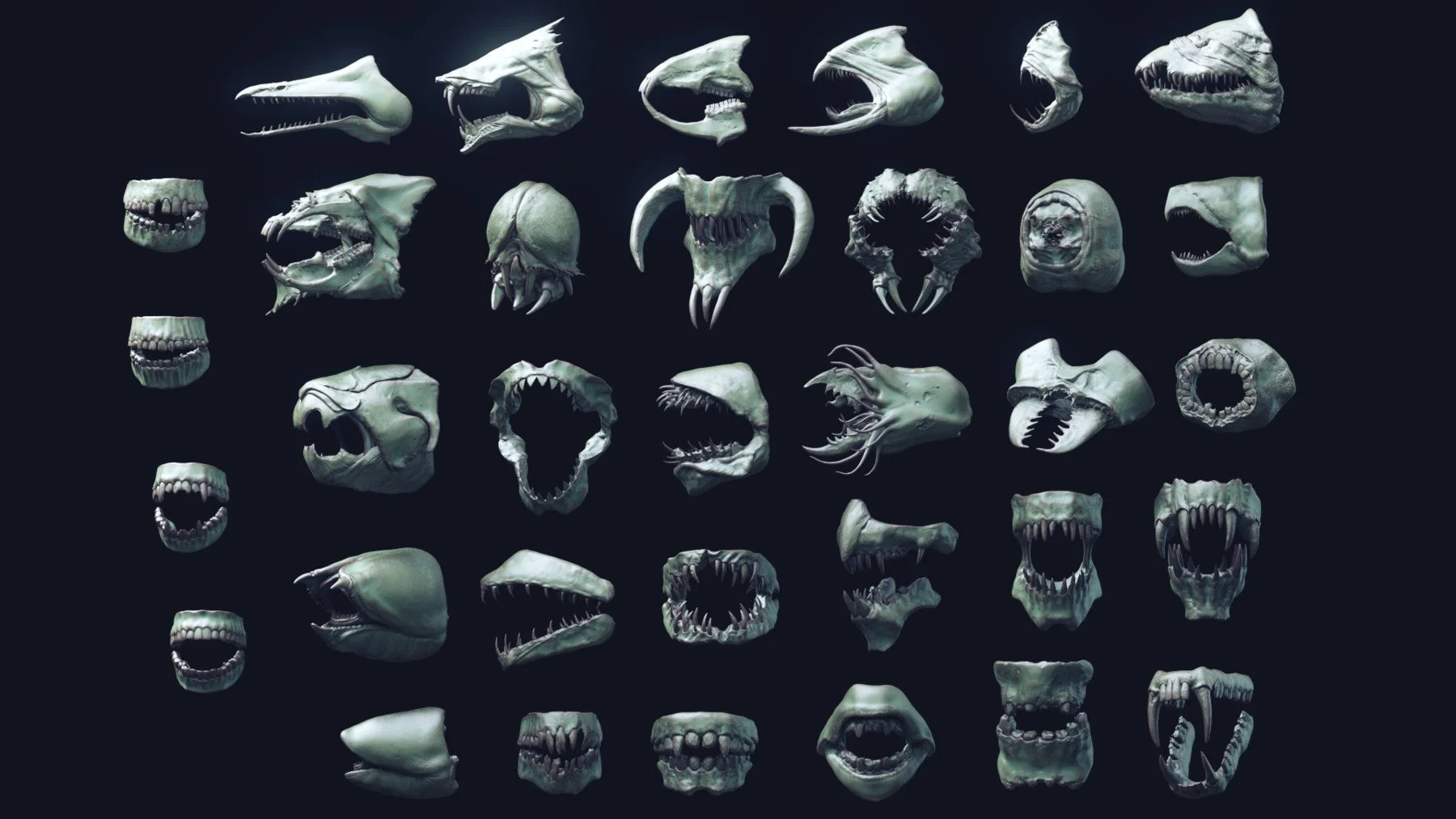
Take a Rorschach approach to your creature design with Chaos Brushes. Inspired by Pablo Muñoz Gómez 3 day Creature workshop class, this insert brush is a great source for flushing out randomized form.